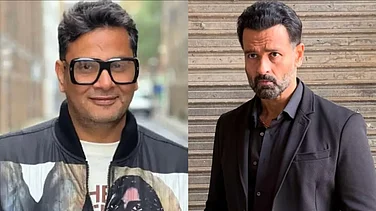
Indian Idol Season 3 winner Prashant Tamang dies at 43.
Singer-actor was recently seen in Paatal Lok Season 2.
Rose from Kolkata Police constable to national fame.
Remembered as a cultural icon for the Gorkha community.
Singer and actor Prashant Tamang, who rose to national fame after winning Indian Idol Season 3, passed away at his residence in New Delhi on Sunday. He was 43. His sudden death has left fans, colleagues, and admirers across the country in shock, with tributes pouring in from the music and film fraternity.
Prashant Tamang death news: What we know so far
Reports indicate that Tamang suffered a medical emergency at home and was later declared dead. While early accounts suggested a stroke or cardiac-related complication, an official confirmation on the exact cause of death is awaited. Family members and close associates have requested privacy during this time.

Tamang rose to national fame after winning Indian Idol Season 3
Born on January 4, 1983, in Darjeeling, Prashant Tamang's journey was marked by resilience. After losing his father at a young age, he joined the Kolkata Police as a constable. Music remained central to his life, and he continued to train and perform with the police orchestra, quietly building towards a larger dream.
That turning point came in 2007, when Tamang won Indian Idol Season 3, becoming one of the show's most emotionally resonant winners. His victory led to live performances across India and abroad, as well as the release of his debut album, Dhanyavad.


Acting career and Paatal Lok 2 appearance
Tamang later transitioned into acting, making his film debut with the Nepali hit Gorkha Paltan in 2010. He went on to appear in several Nepali films, steadily building a parallel career in cinema.
Indian audiences recently saw him in Paatal Lok Season 2, where he played the pivotal role of Daniel Lecho. The performance introduced him to a new generation of viewers and reaffirmed his versatility as an actor.

A legacy beyond fame
More than awards or roles, Prashant Tamang's Indian Idol win became a cultural moment for the Gorkha community, offering long-awaited visibility and collective pride. His journey from uniformed service to national recognition continues to inspire many.