Netflix’s Accused, directed by Anubhuti Kashyap, uses a gender-flipped MeToo premise to examine how power, ambition and suspicion collide when a woman in authority is placed under public scrutiny.
Konkona Sen Sharma delivers a controlled, abrasive performance as a flawed yet compelling doctor, while Pratibha Ranta grounds the film with emotional depth and quiet vulnerability.
Though not without minor writing gaps, the film succeeds in sparking an uncomfortable but necessary conversation about workplace power, public judgement and the double standards faced by women in leadership.
There is a line early in the film that stays with you: "Anyone with a phone feels empowered with a voice, now don't let that affect you." It lands like a warning and a prophecy. In a world where outrage travels faster than truth, reputations can collapse before facts have time to breathe.
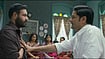
Directed by Anubhuti Kashyap, this Hindi-language psychological drama unfolds in London and centres on Dr Geetika Sen, played by Konkona Sen Sharma. Geetika is a respected gynaecologist—ambitious, sharp and unapologetically exacting. When allegations of sexual misconduct surface at her hospital, her professional authority begins to erode and, more painfully, so does the trust inside her marriage to Meera, played by Pratibha Ranta.
Here is the thing. The film is less interested in easy answers and more in the discomfort of doubt. It makes you question, did she misuse her power, or is she being punished for having it in the first place? That tension drives the narrative.
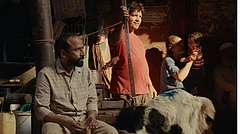


Sen Sharma steps into a deliberately abrasive role. Dr. Geetika is not designed to be liked. She moves through hospital corridors in sharply tailored suits, decisive and unsmiling. "Good surgeon's hands never shake," someone remarks. Hers don't. But everything else around her does in no time. Sen Sharma plays her with a contained volatility—a woman used to being the smartest person in the room, yet strangely unprepared for the chaos that follows the accusation. She may be clever enough to commit something questionable, the film suggests, but is she clever enough to cover it up? That ambiguity keeps the character alive.

There is something distinctly male-coded about Geetika's authority. She is curt, extremely impatient and sometimes toxic in the way powerful men are often permitted to be. The film quietly asks why those traits read as leadership in a man and monstrosity in a woman. God forbid a woman is strict. God forbid she is ambitious. The script, written by Sima Agarwal and Yash Keswani, is attentive to this double standard without turning it into a lecture.
Ranta, as Dr. Meera, becomes the emotional counterweight to the storm. Softer in presence but never fragile, she carries the intimate cost of a very public scandal. Her performance is restrained, deeply human and distinctly feminine without slipping into stereotype. You register the love first, then the doubt, then that quiet, almost humiliating ache of having to question the person you come home to every day.

The chemistry between the two feels organic, not performed. Their confrontations do not play out like dramatic set pieces; they feel like two people who know each other too well. It is the gradual unravelling of a relationship, layer by layer, like an onion shedding its rings. Even on the page, their emotional graph follows the same pattern, each scene peeling back something rawer than the last.


What works particularly well is how the film opens up a conversation around sexual harassment laws and prevention without trivialising the issue. It acknowledges the importance of legislation and due process. At the same time, it examines how quickly narratives harden in the court of public opinion. The misuse of movements meant to protect survivors is addressed in an unsettling rather than sensational way. The film does not dismiss genuine voices. It asks how power, resentment and digital culture can complicate the search for truth.

Visually, the detailing is precise. Costumes define the character's hierarchy. Hospital spaces feel clinical and cold. Even minor characters are sketched with care. There is one particularly unpleasant senior figure in the hospital whose presence reminds you how ruthless professional environments can be, especially for women who climb too high.
Yet the film is not without flaws. At times, Geetika's strategic missteps make her appear less shrewd than her reputation suggests. For someone so accomplished, she occasionally seems naïve about the optics of her behaviour. Whether that is intentional or a writing gap will divide viewers. As for the ending, it resists predictability. It is not something you can easily guess. That in itself speaks to how tightly the character has been constructed. The resolution may not offer comfort, but it does offer a jolt. It forces you to sit with what you thought you knew.
Accused is not simply a thriller. It is a study of how women in power are scrutinised differently, how a woman's ambition can make men uneasy, and how quickly admiration can turn into suspicion. It may leave you unsettled. It may even make you sad. But it will make you think about how fragile authority becomes when the gaze turns hostile.


Some viewers might draw a loose parallel with Tár, directed by Todd Field, since both stories revolve around powerful women facing allegations of misconduct. But the resemblance sits mostly at the level of premise.
In a time when voices are amplified and distorted in equal measure, that feels painfully relevant.
Accused is currently streaming on Netflix.