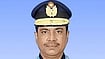
Prateek Yadav’s post-mortem report found that he died due to cardiorespiratory collapse caused by massive pulmonary thromboembolism, where a large blood clot blocked blood flow to his lungs.
Pulmonary embolism is a medical emergency that usually occurs when a clot formed in the legs or pelvis travels to the lungs, with symptoms including breathlessness, chest pain, rapid heartbeat and sudden collapse.
Doctors say early diagnosis can save lives, but the condition is often overlooked — making Prateek Yadav’s death a major public health awareness moment.
The sudden death of Prateek Yadav at the age of 38 has triggered widespread attention after his post-mortem report revealed that he died due to “cardiorespiratory collapse caused by massive pulmonary thromboembolism.”
According to the autopsy report conducted at King George's Medical University, a large blood clot blocked the arteries in his lungs, eventually leading to heart and respiratory failure. The report also stated that samples have been preserved for further examination. Separate reports also said six pre-death injuries were found on his body, though officials have not linked those injuries to the cause of death.
The medical term at the centre of this case — pulmonary embolism (PE) — is now being widely searched online.
What is pulmonary embolism?
Pulmonary embolism happens when a blood clot, usually formed in the deep veins of the legs or pelvis, travels through the bloodstream and gets lodged in the lungs.



This blocks blood flow to the lungs, reduces oxygen levels and can place sudden pressure on the heart. In severe cases, it can trigger immediate heart failure, breathing collapse and sudden death.
Doctors often refer to it as a medical emergency because symptoms can escalate rapidly.
What causes it?
According to medical experts cited by The Indian Express, prolonged immobility is one of the biggest triggers. This includes:
Long hours of sitting
Extended bed rest
Recovery after surgery
Obesity
Smoking
Certain medications
Blood clotting disorders
Previous history of deep vein thrombosis
People who travel frequently on long flights or remain inactive for extended periods may also face elevated risks.
What are the symptoms?
The biggest concern around pulmonary embolism is that symptoms are often ignored or mistaken for other issues.
Common warning signs include:
Sudden shortness of breath
Chest pain
Rapid heartbeat
Dizziness
Coughing blood
Swelling in the legs
Fatigue
In some severe cases, patients may collapse suddenly without significant warning.
Can it be treated?
Yes—if detected early.
Doctors typically use blood thinners, clot-dissolving medications and emergency intervention procedures to restore blood flow. Severe cases may require surgery.
Early diagnosis remains critical.
Why this case is drawing attention
The death of Prateek Yadav has sparked wider awareness around a condition many Indians know little about.
While investigations into his death continue, his case has also highlighted how dangerous silent blood clots can become if left untreated.