




Summary of this article
NEET-UG 2026 cancelled on May 12 over a multi-state paper leak involving an "examination mafia," affecting 23 lakh students; CBI probe ordered.
Similar cancellations include AIPMT 2015 (Supreme Court-mandated), REET 2021, UP PCS 2015, and the Vyapam scam nexus.
Recurring leaks across medical, teaching, and recruitment exams reveal deep vulnerabilities despite technological safeguards, eroding public trust.
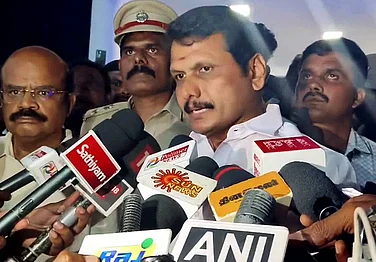
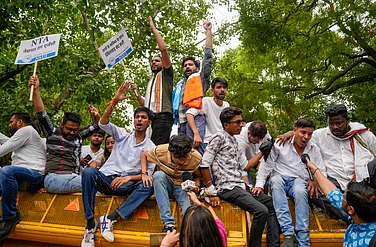
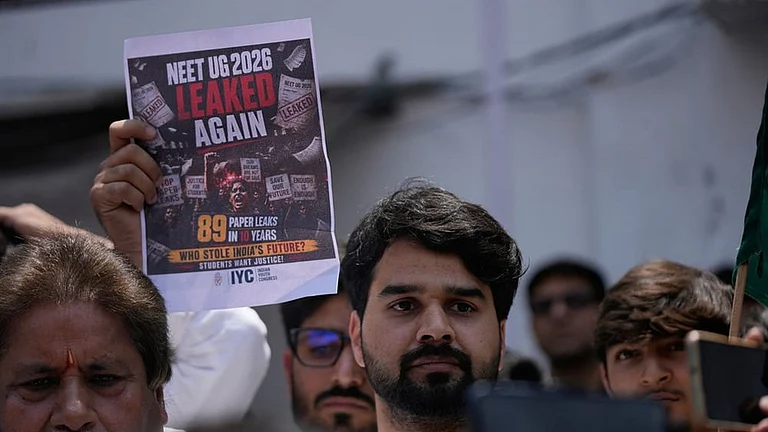
For millions of medical aspirants across India, the morning of May 12, 2026, brought a devastating and disorienting announcement. The National Testing Agency (NTA) declared the immediate cancellation of the National Eligibility cum Entrance Test (NEET-UG) 2026, which had been conducted just nine days earlier on May 3. The decision, affecting approximately 23 lakh students, came amid escalating allegations of a sophisticated, multi-state paper leak orchestrated by an "examination mafia". This was not merely an administrative reshuffle; it was a full-blown collapse of trust, as the government simultaneously handed over the investigation to the Central Bureau of Investigation (CBI) and announced a re-test, plunging the future of nearly two million young Indians into uncertainty.
The cancellation of NEET 2026 is a stark reminder that this is not an isolated incident but part of a recurring nightmare in the Indian education system. History is littered with similar crises where high-stakes exams were scrapped because their integrity could no longer be guaranteed.
For instance, in 2015, the All India Pre-Medical Test (AIPMT) was cancelled by the Supreme Court after a sophisticated electronic cheating racket was uncovered in Haryana. The court famously ruled that even a single entry through illegal means "vitiates" the sanctity of the entire process, ordering a re-test for over six lakh students. More recently, in 2024, the NEET-UG itself was embroiled in massive controversies regarding grace marks and isolated leaks, while the UGC-NET was cancelled just one day after it was conducted following a cyber security alert.


These events highlight a systemic vulnerability that persists despite technological safeguards like GPS-tracked question paper vehicles and AI-powered CCTV surveillance, which the NTA had claimed to have implemented for the 2026 exam.
The human cost of these leaks extends far beyond the medical field, affecting the very fabric of public service recruitment. The state of Rajasthan, which is at the center of the current NEET probe, has been a frequent epicenter of such scandals.
The Rajasthan Eligibility Examination for Teachers (REET) 2021 was cancelled after allegations surfaced that both the question papers and answer sheets were leaked before the exam, leading to the arrest of police constables and the suspension of government employees.
Similarly, the infamous Vyapam scam in neighboring Madhya Pradesh represented the most extreme manifestation of this crisis, involving a nexus of politicians, bureaucrats, and businessmen who manipulated entrance exams for medical colleges and recruitment tests for government jobs, a scandal so deep it eventually involved the CBI and the Supreme Court. Reflecting on the current situation, former Rajasthan Chief Minister Ashok Gehlot noted, "This has become a business for particular gangs," calling for a thorough and severe investigation.
The pattern is not limited to national medical tests or central recruitment; it has seeped into virtually every level of examination in the country. The Uttar Pradesh Provincial Civil Services (PCS) exam was famously cancelled in 2015 after the paper was found circulating on WhatsApp before the start time . In 2025 alone, a litany of cancellations occurred across states: the UKSSSC graduate-level recruitment exam in Uttarakhand was scrapped, Assam cancelled remaining higher secondary exams, Jharkhand cancelled class 10 board exams for Hindi and Science, and Himachal Pradesh cancelled a class 12 English paper, all due to leaks. These recurring disruptions have given rise to the term "exam mafia," referring to organized networks that often operate with inside help from printing press staff, transport agencies, or local officials.
As the CBI now launches raids across 12 locations and Opposition leaders accuse the government of "organized irresponsibility," the 23 lakh students of NEET 2026 are left waiting for a new exam date, their hopes held hostage by a system that seems unable to protect its own future.