India rejects reports of Track II diplomacy with Pakistan.
Indus Waters Treaty remains suspended until cross-border terrorism ends.
Government says unofficial India-Pakistan meetings carry no diplomatic mandate.
Top government sources have refuted recent reports suggesting India is engaging in Track II diplomacy with Pakistan and offering concessions on the Indus Waters Treaty. The claims are misleading and factually incorrect, the sources said, as reported by News18.
New Delhi has not sanctioned or supported any formal Track II talks with Islamabad. Officials firmly dismissed the possibility of easing terms or granting allowances regarding the Indus Waters Treaty, the report said.
The nation's stance holds steady despite current airspace disputes and other mutual frictions, the sources said. They confirmed that current pacts will not be weakened and the core policy stands firm.
Limits of Track Diplomacy
Genuine Track II initiatives require structured dialogue through government-nominated or officially recognised panels. Independent conferences and summits organised by think tanks or non-governmental organisations—which regularly host attendees from India, Pakistan, and other nations—do not constitute official diplomatic channels, sources said.
Current or retired bureaucrats joining such gatherings participate solely as private individuals. These meetings occur devoid of any official state guidance, backing, or authorisation. Citizens from both countries frequently interact on academic platforms, but these engagements carry no official status and should not be interpreted as backchannel talks.


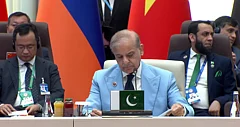
Diplomatic missions from both India and Pakistan play no role in arranging these informal academic or private meetings. The events remain entirely independent of any formal diplomatic process.
Indus Treaty Remains Suspended
India suspended its participation in the 1960 Indus Waters Treaty on April 23, 2025, placing the agreement in abeyance. The halt came in the wake of a significant terror strike targeting defenceless civilians and tourists in Pahalgam, Jammu and Kashmir, an incident New Delhi attributed to proxy outfits supported by Pakistan.
The treaty will remain in abeyance until Pakistan “credibly and irreversibly" dismantles its cross-border terrorist infrastructure, Prime Minister Narendra Modi and the Ministry of External Affairs declared. India rejected unilateral adherence to the agreement during proxy violence, citing the geopolitical doctrine that “blood and water cannot flow together."
Following the suspension, India accelerated significant run-of-the-river hydropower and water diversion initiatives on the western Chenab and Ravi rivers. The rapid infrastructure expansion included sediment removal at the Salal Power Station. Pakistan’s Foreign Ministry strongly rejected the treaty suspension.