Nagpur HC sets aside 2024 sessions court conviction; no proof of data leak or anti-national intent despite malware on laptop.
3 years for possessing classified info,already served (6+ years total custody), immediate release ordered.
Arrested 2018 via honey-trap by fake ISI profiles,part of BrahMos team delivering 70-80 missiles, broader targeting of officials revealed.
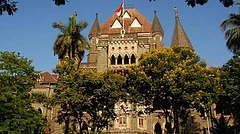
The Nagpur bench of the Bombay High Court on Monday quashed the life imprisonment awarded to former BrahMos Aerospace engineer Nishant Pradeepkumar Agarwal in a high-profile espionage case, ruling that the prosecution failed to prove he acted against India's national interest or leaked sensitive missile data to Pakistan's ISI. While upholding a lesser conviction for possessing classified information under Section 3(1)(c) of the Official Secrets Act, carrying a three-year sentence, Agarwal, who has already served over six years without bail, was ordered for immediate release.
Agarwal, a 28-year-old NIT Kurukshetra graduate and DRDO Young Scientist Award recipient, was arrested on October 8, 2018, in a joint operation by Uttar Pradesh and Maharashtra Anti-Terrorism Squads (ATS) and Military Intelligence, accused of being honey-trapped by ISI operatives posing as "Neha Sharma," "Pooja Ranjan," and "Sejal Kapoor" on social media. Working as a senior systems engineer in BrahMos Aerospace's Nagpur technical research division, an Indo-Russian JV under DRDO, from 2014 to 2018, he was part of the core team delivering 70-80 supersonic cruise missiles to the Armed Forces.
Investigators claimed malware apps like Trust-X, Chat2Hire, and Q-Whisper, installed via links from the fake profiles, extracted classified data from his laptop, recovered during a raid on his Ujwal Nagar residence.


Defence lawyer Chaitanya Barve revealed during arguments that the ISI profiles targeted multiple BrahMos officials, suggesting a broader honey-trap operation. Agarwal, who endured two years in solitary confinement post-arrest and secured bail in April 2023, expressed relief outside court, calling the verdict "vindication after years of nightmare." The case, India's first espionage probe involving BrahMos, had sparked national outrage over potential breaches in the indigenous supersonic missile program.