Choking the Strait of Hormuz can trigger a broader global energy crisis.
Iran has launched a massive retaliatory campaign triggering a broader regional conflict.
Targeting America’s Arab allies can build pressure within these countries to compel Washington to halt its military campaign.
The American-Israeli military strikes on Iran have significantly reshaped the geopolitical and security landscape of West Asia. The attacks resulted in the death of Iran’s Supreme Leader, Ayatollah Ali Khamenei, along with the Iranian Defence Minister Amir Nasirzadeh, and more than 200 other senior officials. Such a development marks an unprecedented escalation with far-reaching implications for regional stability and security in West Asia.
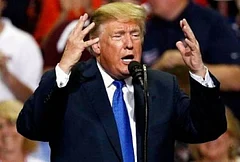
Notably, the strikes occurred immediately after the third round of indirect US-Iran negotiations mediated by Oman. The Omani Foreign Minister, Badr Albusaidi, had expressed optimism regarding the next phase of talks, which was expected to address detailed technical issues necessary for reaching a potential agreement. However, the US President Donald Trump persisted with a policy of ‘maximum pressure,’ reiterating that Iran would not be permitted to acquire nuclear weapons. This episode underscores his continued reliance on a ‘coercive diplomacy’ approach toward Tehran. Consequently, the military action has cast serious doubt over the prospects of any future US-Iran nuclear agreement. Similarly, Israeli Prime Minister stated that they decided to attack as the Iranian nuclear programme would have been ‘immune in months’.

The US-Israeli Attack
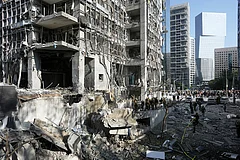
The joint US-Israeli military operation is aimed at the comprehensive dismantling of Iran’s nuclear programme, alongside the systematic degradation of its missile and drone capabilities. The killing of Khamenei has been portrayed by Washington and Tel Aviv as a major strategic achievement of the campaign. The strikes have targeted several critical military and security installations, including the operational centre of the Islamic Revolutionary Guard Corps (IRGC), missile launch platforms, radar systems, and the headquarters of Islamic Republic of Iran Broadcasting in Tehran. In parallel, Israel has launched strikes against positions associated with Hezbollah in Lebanon, thereby widening the geographical ambit of the conflict and raising concerns about broader regional escalation
Iranian Retaliation
Iran has launched a massive retaliatory campaign in response to the joint US-Israeli strikes, triggering what has escalated into a broader regional conflict. Iranian forces have targeted multiple sites within Israel as well as US military bases located in several Gulf countries. In addition, numerous drone and missile strikes have reportedly affected non-military areas across the Gulf, generating widespread insecurity among the member states of the Gulf Cooperation Council (GCC), Iraq and Jordan.
The US and the Arab Gulf states have jointly condemned what they describe as reckless Iranian actions against their territories. This development is particularly striking given that, prior to the outbreak of hostilities, GCC countries had consistently called for de-escalation, supported a negotiated settlement between Washington and Tehran, and, in some instances, facilitated indirect dialogue between the two sides.
From Tehran’s perspective, targeting America’s Arab allies may be intended to generate pressure within these countries to compel Washington to halt its military campaign against Iran. However, such a strategy appears to reflect a high-risk and potentially desperate attempt to widen the theatre of conflict and draw the Arab Gulf monarchies into a protracted and destabilising war.
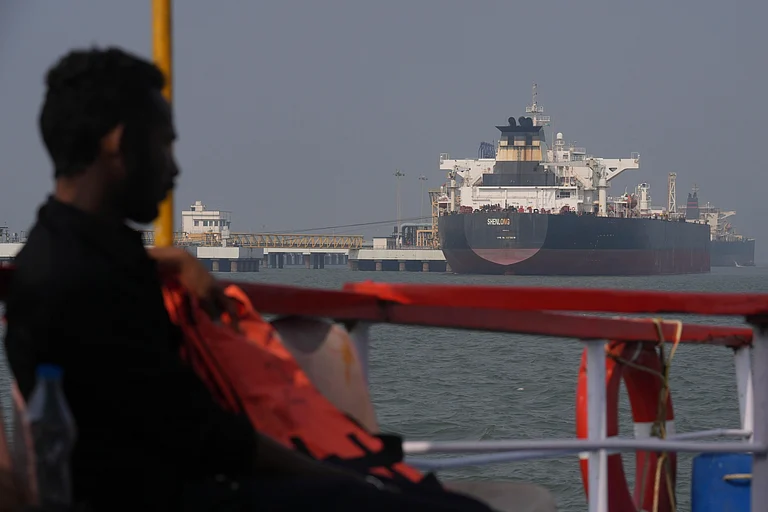
Among the significant targets reportedly struck by Iran are the US Embassy in Riyadh, oil fields in Saudi Arabia and Qatar, the Port of Duqm in Oman and Jebel Ali Port in the UAE. These attacks underscore the expanding geographic scope of the conflict and the heightened vulnerability of critical diplomatic, energy and maritime infrastructure in the Gulf region.

Relations between Iran and the GCC countries have experienced considerable fluctuations over the past decades. Following a prolonged period of competition and rivalry, Saudi Arabia and Iran agreed to a diplomatic rapprochement in March 2023. This normalisation process led to the restoration of diplomatic ties and a gradual expansion of engagement across multiple sectors, including economic cooperation and security dialogue, contributing to a tentative stabilisation of regional relations.
However, Iran’s military strikes against Saudi Arabia and other Gulf states - despite their prior appeals for dialogue and negotiated settlement – represent a serious setback to this rapprochement. In the aftermath of the attacks, the UAE has closed its embassy in Tehran and recalled its ambassador along with diplomatic staff, signalling a sharp deterioration in bilateral ties.
Particularly striking is the Iranian targeting of Oman, which had played a pivotal mediating role by hosting and facilitating indirect negotiations between Iran and the US. The attack places Muscat, as well as other neighbouring states, in a complex strategic dilemma, balancing their security concerns with their preference for diplomatic engagement. The ongoing conflict is therefore likely to have profound and long-term implications for Iran’s future relations with the GCC countries, potentially reversing recent gains in regional reconciliation and deepening polarisation in the Gulf.

Strait of Hormuz
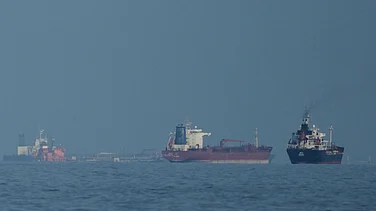
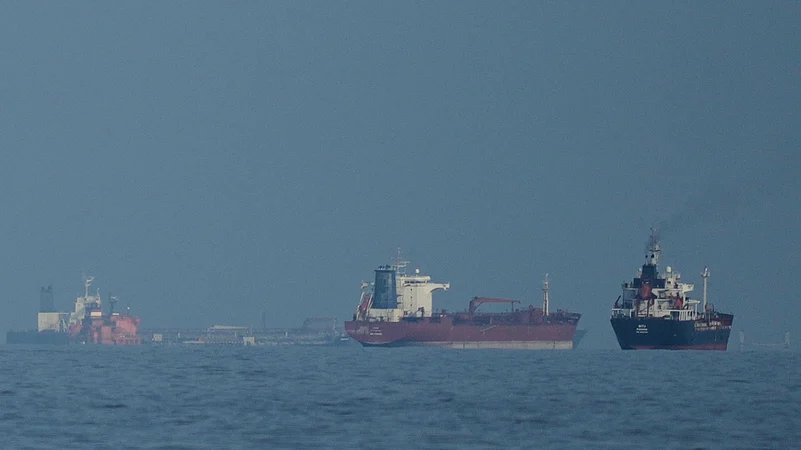
Iran has announced the closure of the strategically significant Strait of Hormuz, a move with far-reaching economic and geopolitical implications. This would severely affect the economies of the oil-exporting Arab Gulf states, whose energy exports are heavily dependent on this critical chokepoint. Approximately 20 per cent of the world’s oil and natural gas supplies transit through the Strait. A prolonged disruption of maritime traffic in the Strait of Hormuz would therefore not only undermine the revenues of Gulf energy producers, but also adversely impact energy-importing countries, potentially triggering a broader global energy crisis.
Restrained Approach of Gulf Arab States
The Gulf Arab states have come under direct attack from Iran despite having publicly assured that their territories would not be used as staging grounds for operations against Tehran. They have maintained a position of neutrality and consistently called for de-escalation. Notwithstanding the drone and missile strikes directed at their territories, the GCC states have thus far adopted a militarily restrained posture, while collectively condemning the Iranian attacks. Their restrained approach reflects an assessment that retaliation to the Iranian attacks could further escalate the conflict.
At the same time, the question of their tolerance threshold is important. Repeated attacks targeting urban centres, violating sovereignty, causing material damage and resulting in civilian casualties would inevitably generate domestic and strategic pressures for a firmer response. The Gulf States thus find themselves constrained between their security dependence on the United States and the immediate threat posed by Iranian military actions. In effect, they are embroiled in a conflict not of their own making. Some Gulf States have indicated that they reserve the right to respond to the Iranian attacks on their territories. Should such retaliation occur, the conflict would likely assume a new trajectory, significantly widening in both scope and intensity.
Rising Uncertainty In The Region
At present, the conflict continues to escalate, generating profound uncertainty regarding the future trajectory of security and geopolitics in West Asia. While Trump and Netanyahu look to dismantle Iran’s nuclear and missile capabilities, the broader region appears increasingly at risk of being drawn into the confrontation. Iran, for its part, remains defiant and has signalled its resolve to resist the joint US and Israeli military pressure. The rapidly evolving situation, marked by reciprocal threats and military actions, continues to heighten regional instability and deepen strategic uncertainty.
Prasanta Kumar Pradhan is a Research Fellow and Coordinator, West Asia Centre, Manohar Parrikar Institute for Defence Studies and Analyses, New Delhi.
Views expressed are personal.