






In March, Mamata Banerjee had confidently said she would hold on to Bhabanipur, even if the margin came down to a single vote. The outcome proved otherwise. BJP’s Suvendu Adhikari defeated her by over 15,000 votes, turning a presumed stronghold into the site of a high-profile loss.
This is not the first time Adhikari has prevailed over Banerjee. He had earlier beaten her in Nandigram, and in 2026 he repeated that success in Bhabanipur, the very constituency that facilitated her return to the Assembly after that earlier setback and allowed her to remain Chief Minister. His latest win, secured in a seat long associated with her political rise, carries both symbolic and strategic weight.
The result also coincided with a broader surge for the BJP across West Bengal, with the party on course for a commanding majority in the Assembly. For the Trinamool Congress, the defeat in Bhabanipur added to an already difficult electoral picture.
Counting day in Bhabanipur unfolded with sharp swings. Adhikari initially moved ahead with the postal ballots, but Banerjee soon recovered and at one stage built a lead of more than 19,000 votes. As counting progressed, however, her advantage steadily diminished. By evening, the gap had narrowed dramatically, before flipping decisively in Adhikari’s favour in the final rounds.
Bhabanipur’s electorate is notably diverse, often described as a microcosm of urban India. The voter base includes Bengali Hindus, non-Bengali Hindu communities, Muslims, and migrant groups from several eastern states including Odisha, Jharkhand and Bihar. While the BJP has traditionally drawn support from sections of the non-Bengali business community, this contest appears to have seen a broader consolidation, including among segments of Bengali Hindu voters.



Electoral roll revisions ahead of the polls became a major point of contention. Reports suggested that tens of thousands of names were removed during the Special Intensive Revision process, with allegations that many affected voters belonged to communities that typically support the Trinamool Congress. Although exact figures remain unclear, the issue became a central political flashpoint in the constituency.
Banerjee’s early lead—comfortable by mid-count—gradually eroded as later rounds favoured her opponent. What began as a seemingly secure position ultimately reversed, underlining the volatility of the contest.
The defeat marks her second loss to Adhikari in a direct electoral contest. After her earlier setback in Nandigram, she had returned to the Assembly via a by-election from Bhabanipur, a seat she had represented for years. This time, however, the constituency did not provide the same political refuge.
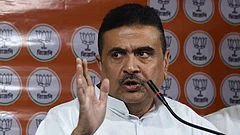
Following the result, Adhikari credited widespread backing across multiple communities for his victory and described the outcome as politically significant. Meanwhile, Banerjee rejected the verdict, alleging irregularities in the process and maintaining that her party would recover from the setback.
The counting centre at Sakhawat Memorial Government Girls’ High School witnessed a charged atmosphere throughout the day, with both camps closely monitoring developments. As the final numbers came in, the contest that once seemed to favour the incumbent had decisively shifted, marking a turning point in the state’s political landscape.
















