India concluded the Commonwealth Games 2026 in Glasgow with 39 medals, finishing fourth in the overall standings
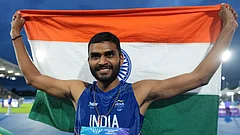
The contingent excelled through standout performances in boxing, weightlifting, and historic milestones like Tejaswin Shankar's decathlon bronze
Looking ahead, the focus shifts to Ahmedabad hosting the 2030 centenary edition and preparing for the upcoming Asian Games
The Commonwealth Games in Glasgow witnessed a stellar campaign by the Indian contingent, matching expectations and slightly overperforming despite a streamlined and compressed sporting programme.
With all events and competitions officially concluded, the curtain has now fallen on a thrilling two weeks of sporting action in Scotland. A dedicated group of 122 athletes carried the nation's flag across multiple disciplines, ultimately seeing 38 competitors return home draped in glory.
Pushed by standout individual displays—such as distance runner Gulveer Singh, who historically captured two medals —India successfully locked down a top-four finish in the overall medal standings.
The final haul of 39 medals—comprising 13 gold, 17 silver, and 9 bronze—showcased India's evolving athletic footprint on the international stage, helping them finishing above Scotland and just behind leaders Australia, England and Canada.
Despite the heavy cut down on disciplines, India matched the success of Manchester (2002), Melbourne (2006) and Birmingham (2022) by finishing fourth.
India's highest-ever finish in the Commonwealth Games standings is second place, which it achieved when hosting the 2010 Commonwealth Games in New Delhi. During that record-breaking home campaign, India secured its highest medal tally in history with 101 medals (38 gold, 27 silver, and 36 bronze).

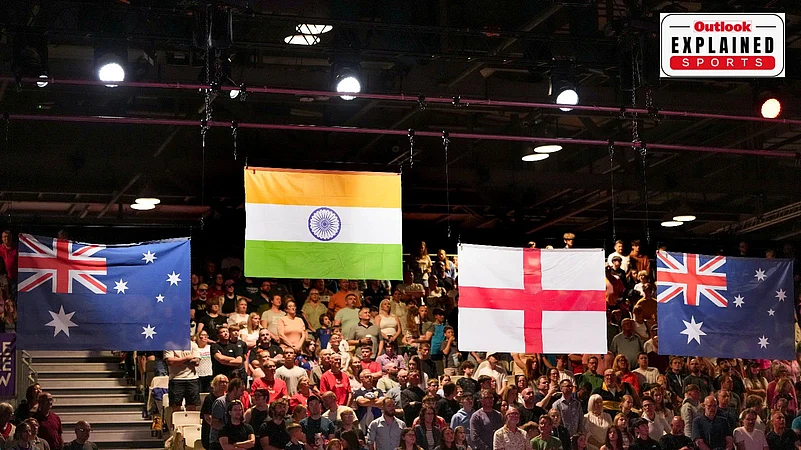
At the Commonwealth Games 2026 in Glasgow, a total of 45 countries and territories successfully captured a place on the medal podium. This diverse spread of medal-winning nations highlighted the expanding competitive landscape across the participating Commonwealth delegations.
From Tentativeness To Glory
The road to the 2026 Commonwealth Games in Glasgow was paved with deep initial tentativeness and anxiety for the Indian contingent. Following the abrupt withdrawal of the original hosts due to escalating financial burdens, Glasgow stepped in on a strict austerity budget, drastically pruning the sports programme down to a streamlined 10 disciplines to minimize operational risks and venue costs.
For India, this fiscal downsizing dealt a severe psychological and strategic blow, as marquee disciplines historically responsible for the lion's share of the nation's podium finishes—including wrestling, badminton, hockey, table tennis, shooting, and cricket—were ruthlessly axed from the schedule.
The mood in the lead-up was understandably cautious, with athletes and officials questioning what a heavily truncated Games would mean for India's status as a sporting powerhouse, given that nearly half of their traditional medal-winning avenues had been erased overnight.
Yet, despite operating within this severely limited scope, the Indian contingent hit back with incredible resolve.
Stripped of several traditional stronghold events, the athletes channeled their focus into the remaining disciplines, sparking an unprecedented surge of medals.
Big Foots Forward
The boxing ring witnessed an absolute masterclass of dominance from the Indian contingent, serving as the crown jewel of the nation's campaign in Glasgow with a staggering seven gold medals. Pugilists like Preeti Pawar, Jaismine Lamboria, Sakshi Chaudhary, Priya Ghanghas, and Arundhati Choudhary completely outclassed their international opponents with exceptional footwork, tactical discipline, and relentless aggression in the women's divisions.
They were brilliantly matched by their male counterparts in the ring, where Sachin Siwach and Ankush Panghal delivered fearless, technically pristine performances to secure top podium finishes. Meanwhile, seasoned names like Lovlina Borgohain and Narender Berwal fought their way through fierce bouts to claim hard-fought silver medals, cementing boxing as the absolute powerhouse discipline of India's 2026 Commonwealth Games run.
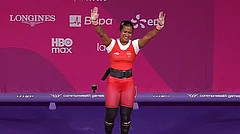
Weightlifting and para-sports added immense depth and historic milestones to India's scoreboard, driven by athletes who excelled under intense pressure. Headlining the iron game, Olympic medallist Saikhom Mirabai Chanu set the gold standard with a commanding, flawless display to claim the women's 48kg title, inspiring a wave of podium finishes from teammates like Rishikanta Singh, Muthupandi Raja, Gyaneshwari Yadav, and Lovepreet Singh.
Simultaneously, the para-athletics arena played host to watershed moments for Indian sport: Sharmila Dhankar scripted history by capturing India's first-ever Commonwealth Games gold in para-athletics during the women's F57 shot put, quickly followed by golden triumphs from sprinter Dilip Gavit (Men's 100m T47) and powerhouse Soman Rana (Men's Shot Put F57), completely redefining the contingent's multi-discipline success.
On the track, field, and judo mats, elite individuals delivered standout performances that elevated India's standing against world-class competition. Olympic champion Neeraj Chopra displayed remarkable composure to leap to a stellar silver medal in a high-caliber men's javelin final, sharing the spotlight with teammate Yashvir Singh, who secured the bronze.
Long-distance runner Gulveer Singh showed supreme grit and endurance by capturing a historic double medal haul—bagging a silver in the 10,000m and a hard-earned bronze in the 5,000m. This resilience was mirrored on the judo mat, where Asmita Dey and Harsh Singh executed precise, strategic throws to sweep double gold, capping off a disciplined, high-yielding campaign across technical sports.
Tejaswin Shankar scripted history as well by claiming a gritty bronze medal in the men's decathlon with a total of 7,976 points.
Overcoming a painful patellar tendon injury, he delivered a remarkable multi-event performance across ten disciplines to secure India's first-ever decathlon medal at the Games.
Commonwealth Games 2026: Medal Tally
| Rank | Nation | Gold 🥇 | Silver 🥈 | Bronze 🥉 | Total 🏅 |
| 1 | Australia | 62 | 40 | 51 | 153 |
| 2 | England | 26 | 40 | 34 | 100 |
| 3 | Canada | 18 | 19 | 21 | 58 |
| 4 | India | 13 | 17 | 9 | 39 |
| 5 | Scotland | 11 | 12 | 15 | 38 |
Ahmedabad Receives Baton From Glasgow
As the curtains fell on the 2026 Commonwealth Games in Glasgow, the symbolic focus shifted dramatically to India with the official handover of the Commonwealth Games flag and Host Baton. This ceremonial passing marks the official transition to Ahmedabad (Amdavad), which is set to host the landmark centenary edition of the Games in 2030.
There is a strong expectation and heavy local push to restore many of the marquee disciplines that were left out of Glasgow's streamlined programme. Because host cities are granted significant autonomy in shaping the sports program alongside mandatory core sports, India's organizing committee and national sports federations have actively targeted the reinstatement of heavy-hitting medal anchors like shooting, wrestling, hockey, cricket, badminton, and squash.
Humility Key For Asian Games Future
While India’s top-four finish and 39-medal haul in Glasgow are undoubtedly worthy of celebration, it is essential to contextualize this triumph with a degree of sporting realism. The streamlined nature of these Commonwealth Games meant that several traditional powerhouses and elite global competitors were absent, and many disciplines lacked the depth and intensity seen at world championships or the Olympic level.
Acknowledging these nuances ensures that the contingent's achievements are viewed objectively, recognizing the softening of competitive landscape across certain events.
Looking ahead, this measured perspective is vital as the nation pivots its focus toward the much stiffer challenges awaiting at the upcoming Asian Games. The continental stage will reintroduce world-class powerhouses and fierce multi-nation competition like China and Japan against whom margins for error are razor-thin, making complacency the greatest enemy of progress.
Staying grounded, addressing technical gaps exposed in Glasgow, and ramping up rigorous preparation will be the key to ensuring that India translates this pre-fab Commonwealth momentum into sustainable, high-level success on the grander Asian stage.