Infantino drops FIFA investment plan after global opposition from UEFA, Concacaf and the AFC
FIFA faces internal turmoil as adviser Carlos Cordeiro resigned and COO Kevin Lamour criticised the proposal
Leadership pressure mounts ahead of Infantino’s 2027 re-election bid
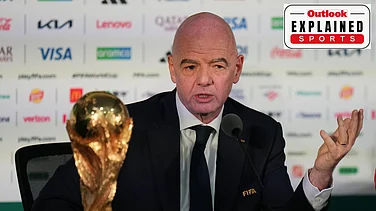
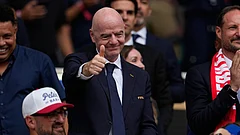
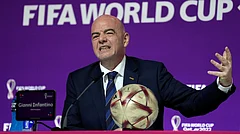
FIFA president Gianni Infantino has abandoned plans to bring external investors into the commercial operation of world football’s biggest tournaments after fierce resistance from continental federations, national associations and senior figures within FIFA itself.
The proposal, which surfaced earlier this week, would have created a new commercial company to control FIFA’s major events, including the men’s and women’s World Cups, with outside investors allowed to buy minority stakes in the business.
Confirming the reversal on Friday night, Infantino said the idea had become too divisive to pursue further.
“Having listened carefully to all the views, it has become clear that the project has created divisions of a nature that, regardless of the level of support, are no longer in the interest of the objective set out in the first place,” he said.“Our purpose has always been – and will always be – to unite and improve. As a result, this proposal will not proceed.”
The abandoned scheme had aimed to raise up to $4.2 billion by selling approximately 20 percent of a newly created subsidiary, tentatively named FIFA Forward Enterprise (FFE). The transaction would have valued the business at roughly $20 billion.

Opposition Spreads Across Continents
UEFA emerged as the leading opponent of the plan. European football’s governing body said its 55 member associations were prepared to boycott FIFA competitions if the proposal moved ahead.
In a strongly worded statement, UEFA criticised the way the project had been developed.
“Irresponsible and indefensible that a proposal of such significance for football was conceived in secret,” UEFA said, adding that FIFA was effectively putting the sport’s “soul” up for sale.
The backlash quickly widened. Concacaf, which governs football in North, Central America and the Caribbean, announced that its members had “rejected” the proposal. The Asian Football Confederation (AFC) then publicly aligned itself with UEFA and Concacaf.
The AFC also called for a review of FIFA’s internal governance processes.
“[The plans] exposed fundamental weaknesses in FIFA’s consultation and decision-making processes that must now be addressed,” the AFC said.“Accordingly, the AFC calls upon FIFA to undertake an urgent review of its governance and decision-making framework”.
Together, UEFA, Concacaf and the AFC account for 136 of FIFA’s 211 member associations, making it increasingly unlikely that Infantino could secure the 106 votes required for approval.
FIFA Insiders Break Ranks
The controversy triggered an unusually public internal revolt within FIFA.
Carlos Cordeiro, Infantino’s senior adviser on global strategy and governance, resigned with immediate effect. He described the proposal as “a bad deal for football” and warned that it would “mortgage football’s future”.
Cordeiro said he “unequivocally” opposed the plan and stressed that he had “no involvement in the proposal”.
FIFA chief operating officer Kevin Lamour also criticised the initiative, saying the organisation’s own staff had been “deceived” about its development.
“A president must bring people together, unite them, and inspire them” but this was “the opposite,” Lamour said.“If that means I lose my job, then so be it. I will understand and respect that decision. At least I’ll sleep well tonight.”
Financial Promises To Member Associations
According to reports, Infantino had offered FIFA’s 211 member associations $40 million each if they supported the broader investment package. Associations that signed up before 19 September would have received an initial $20 million payment.
A 25-page document prepared by JP Morgan projected that the new structure could significantly increase FIFA’s commercial revenues and eventually deliver larger payouts to member associations during the 2035–2039 cycle.
The presentation reportedly described the World Cup as the “most widely viewed” sporting event in the world while arguing that FIFA remained “under-monetised”. The document also referred to “new business initiatives” and “attracting top talent with incentive-driven compensation”, although it reportedly contained no reference to the women’s game.
Infantino Faces Growing Political Pressure
The failed proposal has raised fresh questions about Infantino’s leadership ahead of FIFA’s presidential election in Morocco on 18 March 2027.
The 56-year-old Swiss administrator, who has led FIFA since 2016, had been expected to seek a fourth term and was widely viewed as the overwhelming favourite to continue in office.
Potential challengers must declare their candidacies by 18 November.
Among the names being discussed is Victor Montagliani, president of Concacaf. Meanwhile, Sheikh Salman bin Ebrahim Al Khalifa, the AFC president who lost to Infantino in the 2016 FIFA election, issued a separate statement condemning the investment proposal as “totally unacceptable”.
“FIFA’s unilateral actions appear to undermine the very foundations of continental football, which are based on solidarity, cooperation and transparency,” Sheikh Salman said.
Trump Links Add Another Dimension
The episode has also drawn attention to Infantino’s relationship with US President Donald Trump during the 2026 FIFA World Cup, which was hosted by the United States, Canada and Mexico.
The proposed investor group was expected to involve Thrive Eternal, linked to Thrive Capital, the venture capital firm founded by Joshua Kushner — the brother of Jared Kushner, Trump’s son-in-law.
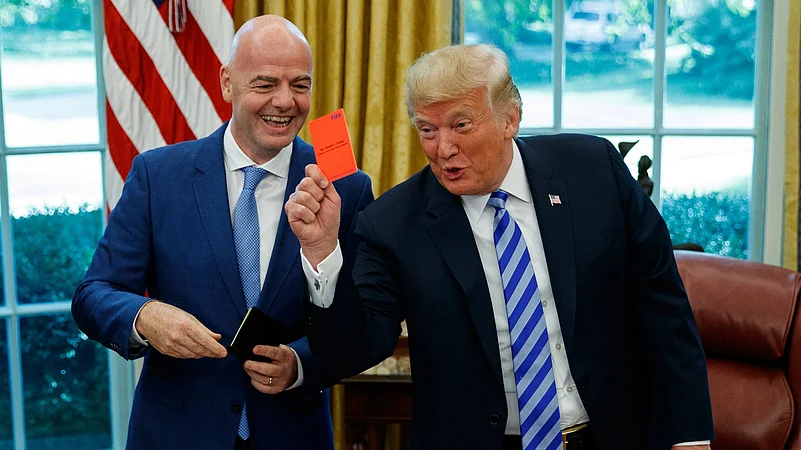
Speaking at Camp David on Friday, Trump said he had not discussed the FIFA investment proposal with Infantino.
Attempt To Restore Unity
In his statement announcing the withdrawal, Infantino said he would now try to “bring all interested parties back together” in the “spirit of shared interest” in football.
He maintained that the original objective had been to strengthen national associations, particularly those in countries where financial support was most needed.
“Our purpose has always been – and always will be – to unite and improve.”
The collapse of the investment project marks one of the most significant setbacks of Infantino’s presidency. What began as an ambitious attempt to unlock billions of dollars in new commercial revenue has instead exposed deep divisions within world football and intensified scrutiny of FIFA’s governance at a critical moment for the organisation.