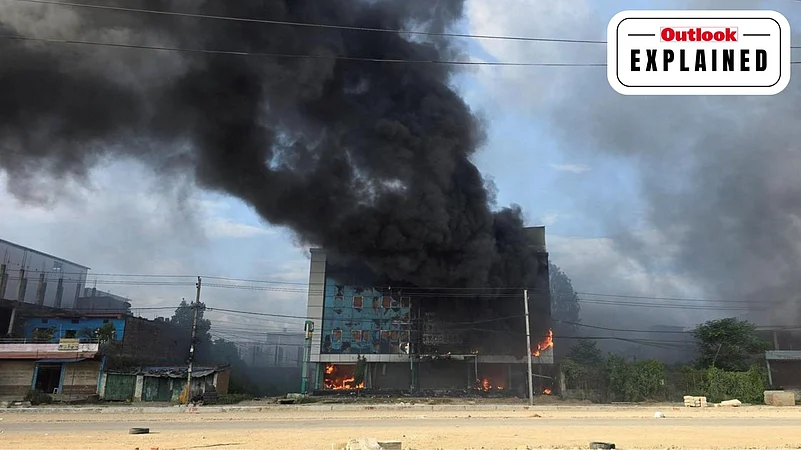
Bihar Police tightened security along the Madhubani-Nepal border after communal clashes in Nepal.
Violence in Sunsari and nearby districts left three people dead and several injured.
Nepal imposed curfews and prohibitory orders while launching an investigation into the unrest.
Security has been strengthened along the India-Nepal border in Bihar’s Madhubani district following deadly communal clashes and continuing unrest in southeastern Nepal.
Police have increased surveillance, intensified vehicle checks and deployed additional personnel near the international boundary. The measures are precautionary and are intended to prevent tension, rumours or unlawful activity from spilling into Indian territory.
What Triggered the Violence in Nepal?
The unrest began late on July 26 in Kaptanganj, Ward 3 of Dewanganj Rural Municipality in Nepal’s Sunsari district, which lies close to the Indian border.
According to Nepalese police, a group participating in the annual Bol Bam pilgrimage was travelling through the area with loudspeakers. Members of another community objected to the volume, leading to a verbal confrontation.
The dispute soon escalated into stone-pelting and violence. Police initially attempted to disperse the crowd using batons, tear gas and warning shots before security personnel opened fire. The first round of violence left one person dead and several civilians and police personnel injured.
Questions were subsequently raised over the security forces’ use of live ammunition. The Nepalese Home Ministry recalled senior administrative and security officials from Sunsari and formed a five-member committee, headed by Joint Secretary Bhupendra Thapa, to investigate the violence and submit its findings, Kathmandu Post reported

How Did the Unrest Spread?
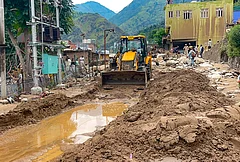
The violence did not remain confined to Sunsari. Protests and sporadic clashes were subsequently reported in other parts of southeastern Nepal, including areas in Madhesh province.
By July 31, at least three people had been killed in the violence and related disturbances. Two deaths were reported in Sunsari, while another person was killed in neighbouring Siraha district. At least 25 people were injured in the initial clash, according to officials cited by Reuters.
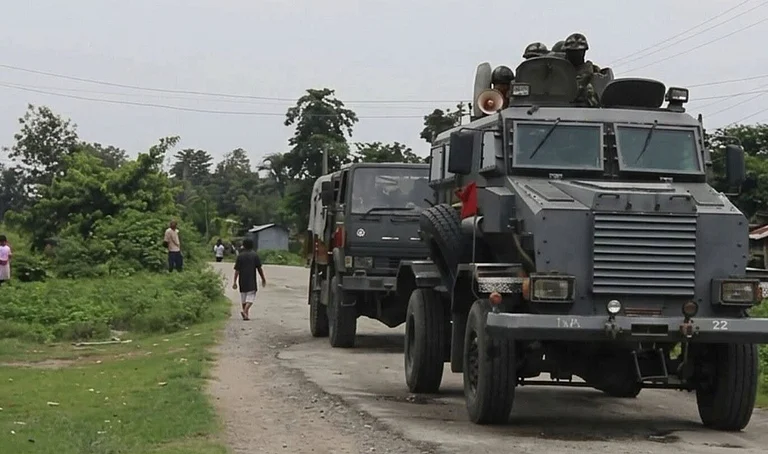
Nepalese authorities responded by imposing curfews and prohibitory orders in several affected areas. An indefinite curfew was introduced in parts of Saptari district on July 31 as officials attempted to prevent further confrontations.
Prime Minister Balen Shah appealed for calm and promised action against those responsible.
“The government will conduct a fair and impartial investigation into the violence and punish those responsible for the trouble in a transparent way,” Shah said in a televised address.

Why Has Bihar Police Been Put on Alert?
The affected Nepalese districts are located close to Bihar’s northern border. Madhubani authorities are therefore treating the situation as a potential law-and-order risk, even though no related violence has been reported on the Indian side.
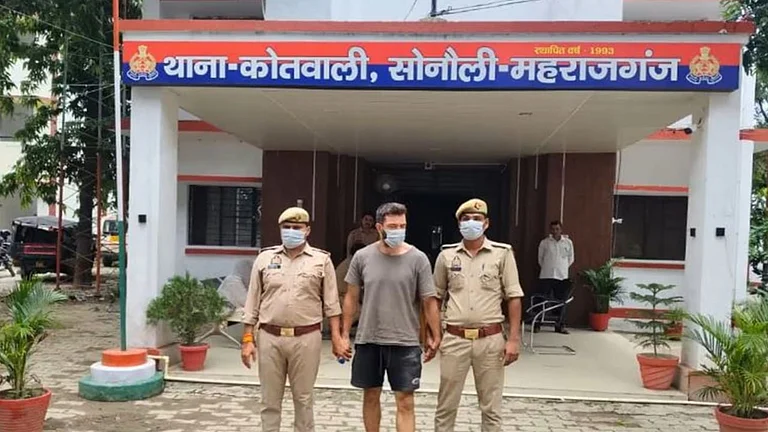
According to an official statement, intensive surveillance and search operations are being conducted on major roads and alternative border routes. Vehicles are being checked, while additional police personnel have been sent to police stations located near the international boundary.
Madhubani Police have asked residents to comply with administrative directions and immediately inform the nearest police station about any suspicious activity.
Situation In Nepal Improving
There have been signs of improvement in some places. Authorities lifted the curfew in parts of Dewanganj after determining that the security situation was gradually returning to normal.
However, restrictions on gatherings of more than five people remained in force in parts of Dewanganj and Harinagar. Security personnel also continued to be deployed in sensitive areas, while officials and community leaders held discussions aimed at restoring social harmony.