The WMO warns that a strengthening El Nino could increase heatwaves, drought and flooding worldwide.
UN chief Antonio Guterres says El Nino is worsening the impacts of human-induced climate change.
The UN has called for faster climate action and an immediate halt to new coal, oil and gas projects.
A rapidly intensifying El Nino is expected to shape global weather patterns in the coming months, increasing the risk of heatwaves, drought and flooding worldwide, the World Meteorological Organisation (WMO) has warned. The alert comes as countries across Africa and Europe continue to battle major wildfires, while the monsoon season has brought widespread disruption to South Asia.
According to Al Jazeera, the United Nations weather agency said in its latest update, released on Friday, that the periodic climate phenomenon is likely to intensify weather extremes across the world. The warning also comes amid concerns that El Nino, combined with human-induced climate change, could push global temperatures even higher.
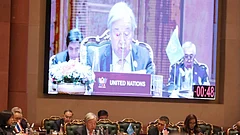
UN Secretary-General Antonio Guterres said the climate pattern is already contributing to worsening weather conditions.
“El Nino is not just on our doorstep, it is inside the house and turning up the heat,” Guterres said. “This is only a warm-up act. El Nino is strengthening, adding fuel to a planet already on fire.”
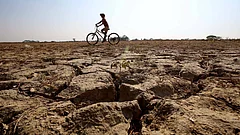


Al Jazeera reported that central Pacific sea-surface temperatures are projected to rise more than 2.9 degrees Celsius (5.22 degrees Fahrenheit) above normal. The unusual warming of surface waters is expected to disrupt global weather systems and contribute to rising temperatures across the planet.
Guterres urged governments to accelerate climate action as the effects of El Nino combine with human-induced climate change. He also called for an immediate halt to new coal, oil and gas projects, saying the continued expansion of fossil fuels is driving the crisis.
The WMO forecasts above-normal temperatures across almost all land areas, with the strongest heat signals expected across Africa, southern Europe, the Indian subcontinent, East Asia and South America.
WMO Secretary-General Celeste Saulo said that although El Nino is closely monitored, forecasts must be matched by action from governments and humanitarian agencies to protect vulnerable communities.
“Forecasts in themselves do not prevent hazards; people do,” Saulo said. “The decisions we make today will shape the impacts we experience tomorrow.”
Reported by Al Jazeera, scientists said this year's El Nino could reach record intensity when it peaks in the latter half of the year, although computer model projections remain uncertain.