Punjab and Haryana are under a cold wave alert with minimum temperatures around 4–6°C across most districts on December 11, 2025.
IMD forecasts cold wave conditions to persist through December 12–13, with dense fog expected in isolated pockets, reducing visibility to 100–200 metres.
Day temperatures around 20–23°C, nights dropping to 4–6°C; wind speeds of 15–20 kmph from the northwest exacerbate the chill factor.
Conditions are expected to gradually improve after December 13, with temperatures rising by 2–3°C; however, severe cold is expected to return around December 15–16.
Punjab and Haryana are experiencing a severe cold wave on Thursday, December 11, 2025, with minimum temperatures hovering in the 4–6°C range across most districts. Cities such as Bathinda, Gurdaspur, Hisar, and Rohtak are recording temperatures near 5°C, creating bitterly cold conditions, especially during early morning hours. Daytime temperatures are settling around 20–23°C, creating a sharp day-night temperature contrast of over 15°C that significantly impacts daily activities and agricultural operations. Northwest winds at speeds of 15–20 kmph are enhancing the wind-chill effect, making outdoor exposure feel considerably colder than the actual temperature reading.
IMD Cold Wave and Fog Alerts
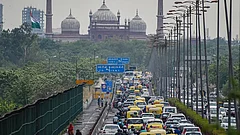
The India Meteorological Department has issued a cold wave alert for both Punjab and Haryana, with conditions expected to persist through December 12–13, 2025. Dense fog is forecast in isolated pockets of southwestern districts, including Bathinda, Ferozepur, Faridkot, and parts of Haryana, reducing visibility to 100–200 metres during early morning hours (5–9 AM). The IMD has warned of hazardous road conditions and advised commuters to exercise caution, use low-beam headlights, and maintain safe distances while driving through fog-affected areas.

Temperature Trends and Extended Forecast
The cold wave is expected to gradually ease after December 13, with minimum temperatures rising by 2–3°C and settling around 6–8°C by December 14–15. However, this brief warming will be temporary, as the IMD has forecasted that severe cold conditions will return around December 15–16 as a new Western Disturbance approaches the northwestern plains. This cyclical pattern of cold-warm-cold will continue through late December, making the month one of the coldest of the winter season for the region.



Agricultural and Livestock Impact
Frost risk remains critically high for rabi crops such as wheat, mustard, and gram, particularly in low-lying and irrigated fields. Farmers are strongly advised to reduce irrigation intervals, maintain light soil moisture to prevent frost damage, and use sprinkler irrigation during late evening hours when temperatures are less extreme. Livestock should be kept in sheltered areas with adequate fodder and water; veterinarians recommend providing straw bedding and warming solutions to protect animals from cold-related illnesses.