Outlook magazine earned its stripes as one of India's leading investigative magazines through a series of high-profile and explosive reports.
Only two-years in production, Outlook uncovered a network of match-fixing and betting in Indian cricket.
Outlook was also the news medium on which all of the Niira Radia tapes were published, a news moment that changed India forever.
About two-years-old, Outlook earned its spurs as a serious investigative magazine with explosive reports on betting and match-fixing in Indian cricket. Many top players and top teams from the world were involved, with fingers pointing towards India captain Mohammad Azharuddin, pacers Manoj Prabhakar and Madan Lal, swashbuckling batter Ajay Jadeja, right up to even Kapil Dev. Though no top player was arrested, some of them faced bans. The exposé shook the sporting world so much that fans became sceptical about every dropped catch, every careless shot and every wayward ball, a cynicism that exists even today.
When the PR professional Niira Radia’s conversations with the high and mighty of politics, the corporate world and media hit the headlines, Outlook actually got and published all the transcripts. These were conversations about various deals, favours and quid pro quo by respected and venerated journalists, industrialists and politicians. What everyone broadly knew about how the deals were made in the corridors of power, was now available in transcripts.
The magazine went on to expose many more murky deals—the paid news business between politicians and media houses, questionable defence deals, the mafia in Mumbai, child trafficking, abuse in the Church, the medical insurance scam and many more.




The Maze of Match-fixing: (From left) Manoj Prabhakar contests the vague findings of the Y. V. Chandrachud report; Sources say that the bookies have at least one cricketer from every international team on their payroll; The CBI named nine international players who have in some way or the other been connected with the bookies

Extensive Network: Though there were said to be over 5,000 conversations, only a tiny fraction were actually leaked. But the leakers had organised them well, providing transcripts and arranging the tapes so that Radia’s conversations with relatively well-known people were bunched together and featured prominently

Words for a Price: The story on paid news exposed how it has become common for many media houses to compromise on ethics, publish stories in exchange for money


Crime Inc.: Underworld don Dawood Ibrahim’s business is growing. Its LTTE-aided narcotics and arms network now spans the globe.

A night before May 22, 1987, 42 young Muslim men from Hashimpura, near Meerut city, were murdered in cold blood by men in uniform

Skeletons in the Closet: Trafficked, traded, enslaved, raped and made to conceive babies for adoption. Adivasi girls are turned into baby-making machines that fetch Rs 1-4 lakh per child.

Sex, violence, corruption rock the church in Kerala

Sting of the Scorpene: It was the Indian Navy’s Bofors. The story on the submarine deal exposed a “wider conspiracy” not only to sell the nation’s secrets but also influence a deal stuck since 1997

Nailing the Nexus: Was the Indian Bank used to fund the LTTE? A well-connected Singapore-based NRI could have been the middleman

Insure and be Insecure: How medical insurance is flawed, from beginning to end. Why nobody is happy—the customer as well as the insurer: the morass that is Indian healthcare

House of Horrors: The Muzaffarpur and Deoria revelations outraged people’s conscience, but the rot in shelter homes goes far beyond. The failure is pervasive and systemic

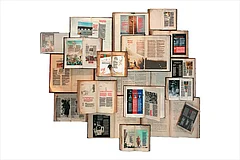

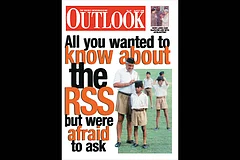
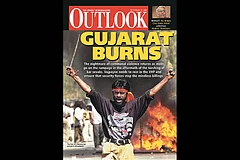

This article appeared as Scoops, Scams, and Scandals in Outlook’s January 1, 2026, issue 30 years of Irreverence which commemorates the magazine's 30 years of journalism. From its earliest days of irreverence to its present-day transformation, the magazine has weathered controversy, crisis, and change.