An Indian-chartered liquefied natural gas (LNG) carrier has become the first vessel linked to India to transit the Strait of Hormuz following the announcement of a landmark peace agreement between the United States and Iran, offering an early signal that one of the world’s most important energy chokepoints may be reopening after months of disruption.
Ship-tracking data showed the LNG tanker Disha, operating under a long-term charter for India’s state-owned gas importer, crossed the strategic waterway on Monday.
The Strait of Hormuz, located between Iran and Oman, carries roughly a fifth of the world’s oil and LNG trade. Since the outbreak of hostilities in late February, shipping through the narrow passage has fallen sharply, disrupting energy markets and forcing dozens of vessels to remain stranded or operate under heightened security risks.
While the tanker’s successful passage has raised hopes of a gradual normalization of maritime traffic, shipping companies remain cautious. Industry groups and major operators say uncertainty persists over mine-clearance operations, navigation safety and the practical implementation of the peace agreement. Several firms indicated they would wait for clearer security guarantees before resuming regular voyages through the corridor.
The agreement between Washington and Tehran has already influenced global markets. Oil prices fell after news of the deal, reflecting expectations that energy supplies from the Gulf could begin flowing more freely. Political leaders, including Indian Prime Minister Narendra Modi, welcomed the breakthrough and expressed hope that it would restore regional stability and freedom of navigation.


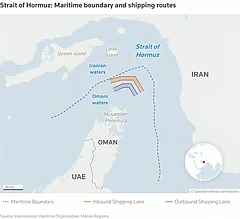

Analysts caution, however, that a single transit does not signal an immediate return to normal. Hundreds of ships remain affected by months of disruption and that a full recovery in traffic volumes could take many months, depending on the durability of the agreement and the pace of security restoration in the Gulf.
For India, one of the world’s largest energy importers, the successful crossing is a significant development, potentially easing concerns over LNG supplies and freight disruptions that have weighed on energy security since the Hormuz crisis began.