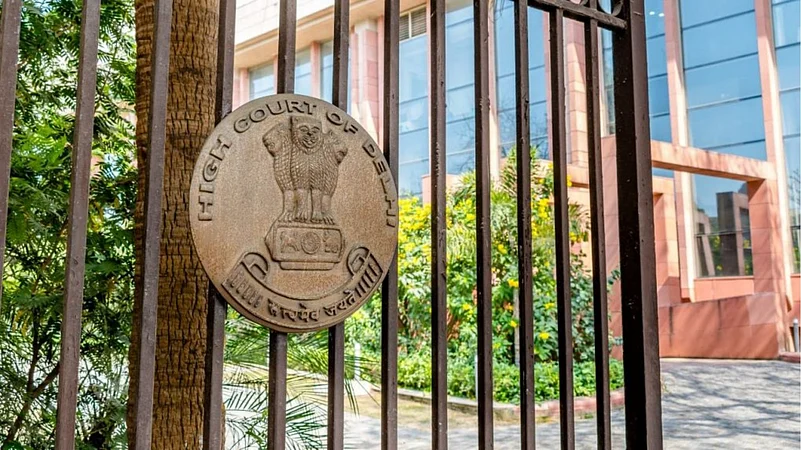
The Delhi High Court questioned the rationale behind restricting Telegram for nearly 150 million users in India ahead of the NEET re-examination.
The Centre argued that Telegram's bot architecture and cloud-based system make it particularly vulnerable to misuse and difficult for law enforcement agencies to trace offenders.
Telegram maintained that it proactively removes objectionable content and opposed the temporary ban imposed until June 22.
The Delhi High Court on Thursday raised concerns over the temporary restriction imposed on Telegram in India ahead of the NEET re-examination, asking whether the rights of nearly 150 million users could be curtailed merely because a section of citizens was appearing for an examination.
A vacation bench headed by Justice Tejas Karia was hearing a plea filed by Telegram challenging the government's decision to suspend access to the messaging platform until June 22, a day after the National Testing Agency's (NTA) re-examination scheduled for June 21.
Questioning the proportionality of the measure, the bench observed, "How can we stop the rights of 150 million people just because one set of citizens are appearing in examinations?" The court sought responses from both the government and the messaging platform on how concerns surrounding paper leaks and misinformation could be addressed without resorting to blanket restrictions.



Appearing for the Centre, Solicitor General Tushar Mehta argued that Telegram's structure made it uniquely susceptible to misuse. He submitted that the platform's bot infrastructure allows a single user to create up to 40 bots, enabling the formation of extensive automated networks capable of disseminating information on a massive scale. According to the government, such features are not available in the same manner on other messaging applications.
The Solicitor General also cited a government report that allegedly described Telegram as a preferred platform for terrorist activities. He argued that the application's cloud-based architecture significantly hampers the ability of law enforcement agencies to trace the individuals responsible for unlawful activities and identify co-conspirators.
Telegram, however, opposed the government's contentions, maintaining that it acts proactively to remove objectionable content and cooperate with authorities. Senior advocate Dhruv Mehta, appearing for the platform, argued that the government order effectively justified the restriction on the ground that real-time monitoring of information on the platform was difficult.
During the hearing, the bench posed a hypothetical question regarding the spread of leaked examination papers. It asked how authorities should deal with situations where the damage is already done by the time the platform receives instructions to remove content. In response, Telegram's counsel argued that much of the content circulating on the platform relating to the NEET examination consisted of false claims and fraudulent attempts to collect money, rather than genuine leaked papers.
The Centre's decision to restrict Telegram was taken amid concerns over the integrity of the NEET re-examination process following allegations of question paper leaks and misinformation campaigns. The move has reignited a wider debate over digital regulation, with questions being raised about the balance between maintaining public order and preserving the rights of millions of legitimate users.
The matter assumes significance not only for Telegram but also for the broader issue of intermediary liability and the powers available to governments to temporarily restrict digital platforms in the interest of examination security and national safety. The High Court is expected to continue hearing the matter in the coming days.