• Dense fog in Delhi has cut visibility to 50–200 metres, disrupting traffic and flights.
• Minimum temperature is around 7–8°C; maximum about 23–25°C.
• Air quality is ‘very poor’ with AQI near 320–340.
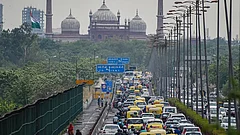
Delhi is blanketed in dense fog on Tuesday, December 9, 2025, with visibility dropping to a hazardous 50-200 meters during early morning and late evening hours, creating chaos on roads and disrupting air traffic. The minimum temperature has plunged to 7-8°C, marking one of the coldest mornings of the season and well below the seasonal average, while daytime highs hover around 23-25°C. Humidity levels are exceptionally high, touching 90-100% in the morning, creating a thick layer of moisture that refuses to dissipate even as the sun rises.
IMD Fog and Weather Alerts
The India Meteorological Department (IMD) has issued a dense fog warning for Delhi and the NCR region, with shallow to moderate fog expected to persist through December 10-11, 2025. The fog is most severe during early morning hours (6-9 AM) and late evening (4-8 PM), posing significant hazards for vehicular movement and visibility-dependent operations. Motorists are advised to use low-beam headlights, maintain safe distances, and reduce speed while navigating through fog-affected areas. The IMD forecasts slight improvement by December 12 as northwesterly wind speeds are expected to increase to 20-25 kmph, helping to disperse the dense fog layer.


Air Quality Crisis
Delhi’s air quality has deteriorated significantly, with the Air Quality Index (AQI) hovering between 320-340 in the ‘very poor’ category on multiple monitoring stations. Particulate matter PM2.5 levels have reached 180+ µg/m³, while PM10 stands at 240+ µg/m³, both well above hazardous limits. The dense fog is trapping pollutants close to the ground, preventing their dispersion and compounding the air pollution crisis. The combination of fog and poor air quality creates an extremely hazardous environment for outdoor activities.
Temperature Trends and Health Impact
Night temperatures are expected to hover around 7-8°C for the next two days, with slight warming to 9-10°C by December 11-12. The sharp day-night temperature contrast, coupled with dense fog and poor air quality, poses serious health risks, particularly for children, the elderly, and individuals with respiratory conditions. Health authorities have issued advisories recommending that vulnerable populations avoid outdoor activities during peak fog hours, use N95 masks when stepping outside, and keep medication readily available.