The US–Iran talks in Islamabad are widely expected to be indirect.
Iran’s Tasnim news agency disputes reports of prolonged negotiations, stating talks are more likely to conclude within a single day if they proceed.
Pakistan has assembled a specialist team to support discussions on key technical areas, including navigation and nuclear issues, according to AFP.
The US–Iran talks in Islamabad are widely expected to be indirect, with both sides in separate rooms and Pakistani officials shuttling messages, according to AFP. However, multiple formats remain under consideration.
China’s state agency Xinhua reported that Pakistan is prepared to facilitate either direct engagement or indirect communication between the delegations. Meanwhile, Dawn described the meeting as potentially the first direct high-level US–Iran contact since 1979, underscoring uncertainty over the format.
Both delegations are expected to meet Pakistani Prime Minister Shehbaz Sharif separately before any main negotiations begin, according to Iran’s Mehr news agency. The schedule remains fluid, with reports suggesting Iran’s delegation may meet Sharif around 1 pm local time, after which talks could proceed later in the day. It is still unclear when formal discussions will begin.
Iran’s Tasnim news agency has also disputed CNN reports that talks could last several days, saying they are more likely to be completed in a single day if they proceed.
Pakistan, which helped bring both sides together, has assembled a team of specialists to support discussions on navigation, nuclear issues and other areas, an AFP diplomatic source said.

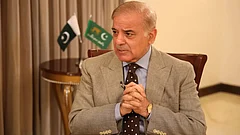


Sharif has warned of a difficult process ahead, calling it a “make or break” stage in efforts to end tensions following US-Israeli strikes on Iran on 28 February and Iran’s subsequent retaliation.
The talks are being closely watched by regional players including Egypt, Turkey and China, which have supported mediation efforts. Beijing has also been mentioned as a possible guarantor of any future agreement, though its role remains unclear.
Iran has meanwhile maintained that negotiations will not proceed unless its conditions, including a ceasefire in Lebanon, are met.