MEA says Nirav Modi's extradition will follow completion of UK legal proceedings.
MEA clarifies Indian passport is a travel document, not citizenship proof.
Passport debate intensifies as electoral roll revision continues across several states.
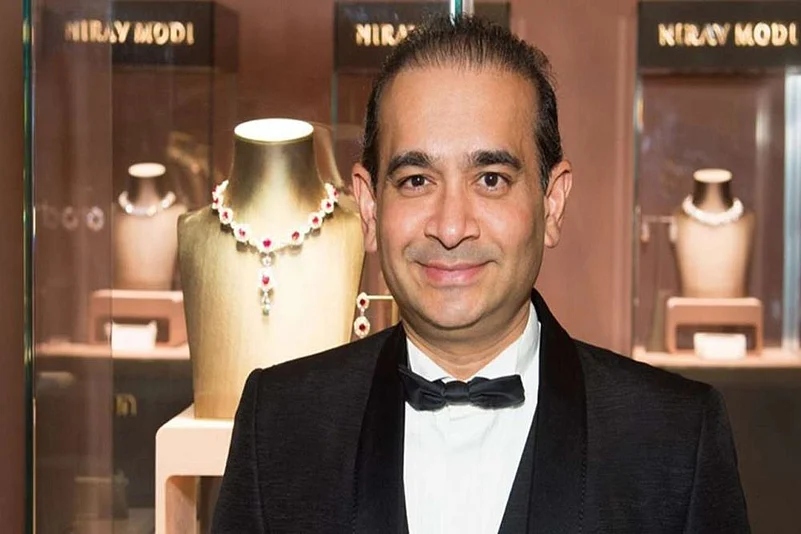
India said on Tuesday that fugitive diamond merchant Nirav Modi will be handed over once the remaining legal proceedings in the United Kingdom run their course. Modi faces trial in India on fraud and money laundering charges connected to the estimated 2 billion dollar Punjab National Bank loan scam, and New Delhi has repeatedly pressed London on the matter.
External Affairs Ministry spokesperson Randhir Jaiswal told a media briefing that extradition would follow once ongoing legal proceedings concluded, though he did not go into detail on what those proceedings currently involve. His comment came in response to a question at the briefing.
Modi's return to India looked closer after the European Court of Human Rights threw out his appeal against extradition. He has been held in a UK jail since his arrest in March 2019, and British courts have already cleared the way for him to be sent back.
MEA says Indian passport exists to regulate travel
The MEA reiterated that an Indian passport is primarily meant to govern citizens' departure from the country, wading into a debate over whether the document can be treated as proof of citizenship amid the special intensive revision of electoral rolls now underway in several states.
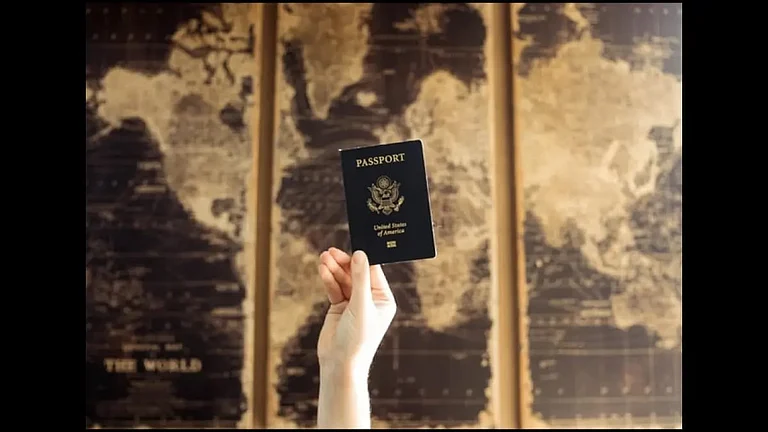
Spokesperson Randhir Jaiswal, briefing reporters, said the passport is issued under the Passports Act of 1967 to regulate citizens leaving India, following a verification process laid down by the government, and that its issuance is governed by that Act along with the Passports Rules of 1980, according to Hindustan Times.
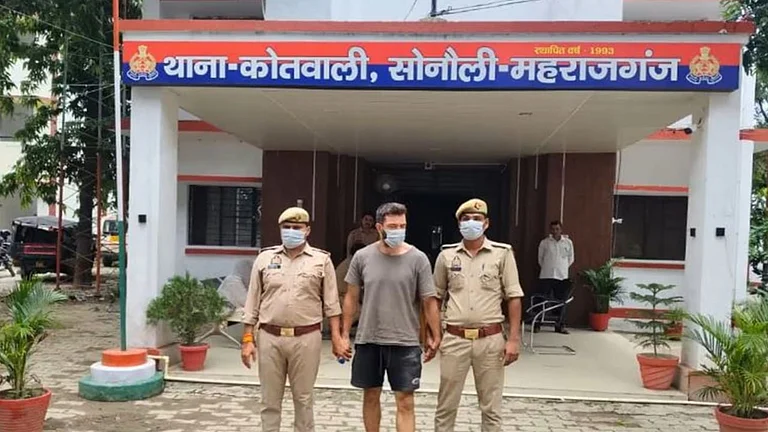
The controversy traces back to a Passport Seva Divas briefing on 24 June, when senior ministry officials described the passport as a travel document rather than proof of citizenship, made in response to questions on whether it could be used to verify citizenship during the electoral roll revision. Officials said at the time that the document exists mainly to let Indians pass through foreign ports and territories.
The remarks drew sharp criticism from the Congress party and widespread pushback on social media. Jaiswal pointed out that fewer than 8 per cent of Indian citizens currently hold a valid passport, underlining how limited its reach actually is as an identity document.
The ministry's position also has judicial backing. A 2013 Bombay High Court ruling held that possessing a passport does not amount to proof of Indian citizenship. The Passports Act itself allows the central government to issue a passport to a non-citizen in cases it considers necessary in the public interest, a provision the ministry cited to argue against treating the document as citizenship proof.