Bolivia's Lake Poopo, once the life source for locals, is today a desert with abandoned boats, remnant of a time when indigenous tribes, like the Aymaras, would do farming along its banks and go fishing from the waters for more than a century. Lake Poopo was 12,000 feet above sea level, and when was at its largest in 1986, it covered over 1,350 square miles. Satellite photographs from the European Space Agency, however, reveal that, in 2015, Lake Poopo had completely evaporated due to climate change and water withdrawal for local mining and farming. Residents in the highlands of La Paz say the lack of rain and frost since September is not allowing them to plant potatoes, beans, carrots, and peas.
In Pictures: Bolivia's Desperate Cry For Rain
Bolivia's Lake Poopo, once the life source for locals, is today a desert with abandoned boats, remnant of a time when indigenous tribes, like the Aymaras, would do farming along its banks and go fishing from the waters for more than a century. Lake Poopo was 12,000 feet above sea level, and when was at its largest in 1986, it covered over 1,350 square miles. Satellite photographs from the European Space Agency, however, reveal that, in 2015, Lake Poopo had completely evaporated due to climate change and water withdrawal for local mining and farming. Residents in the highlands of La Paz say the lack of rain and frost since September is not allowing them to plant potatoes, beans, carrots, and peas.


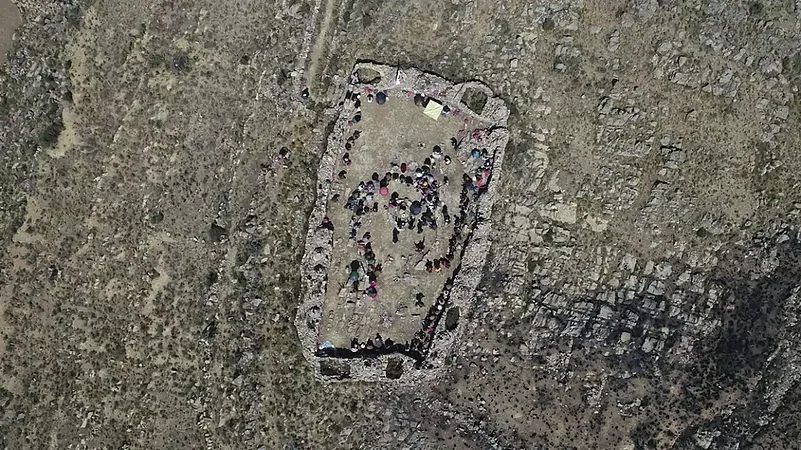
Bolivia Drought
Bolivia Drought

Published At:

- Previous Story
 Canada, France Open Consulates In Greenland In Show Of Support For Arctic Cooperation
 - Next StoryAustralian Leaders Urge Calm After Violent Sydney Protests During Israeli President’s Visit


MOST POPULAR


WATCH




MORE FROM THE AUTHOR





PHOTOS




×