Berlinale head Tricia Tuttle reportedly faces the axe after an edition racked with controversy.
The German tabloid Bild first aired the rumours of her dismissal as well as a special meeting to discuss the festival's future.
German and European film academics have mobilised to support Tuttle.
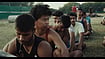
Berlin Film Festival director Tricia Tuttle might be on her way out. A special meeting has been scheduled to determine the Berlin Film Festival's future. It will be run by the Supervisory Board of the KBB, the organization that manages the Berlinale. The news was first reported by Germany’s tabloid Bild, which speculated that Tuttle’s tenure was in jeopardy. She was appointed in April 2024. According to sources cited by Bild, Wolfram Weimer, the culture commissioner, decided to relieve Tuttle of her duties after seeing not only the speeches but also a picture taken a week earlier. The photograph showed Tuttle with the Chronicles From the Siege crew, several of whom were wearing keffiyeh scarves and one of whom was displaying a Palestinian flag.
The German and European film academies have thrown their support behind her. The German film academy wrote in an open letter, "An international film festival is not a diplomatic instrument; it is a democratic cultural space worthy of protection. Its strength lies in its ability to hold divergent perspectives and to give visibility to a plurality of voices.” Among the signatories are Sean Baker, Todd Haynes, Tilda Swinton, Kleber Mendonça Filho, Ilker Çatak. Leading Israeli filmmakers have strongly defended Berlinale director Tricia Tuttle in a letter addressed to German culture minister Wolfram Weimer, "Cultural institutions cannot survive if political intimidation becomes the standard by which leadership is judged.” The letter concludes, “Do not touch the Berlinale.”


Signatories include Yuval Abraham, who co-directed 2024 Berlin Panorama audience award winner No Other Land; Nadav Lapid, who won the festival’s Golden Bear in 2019 for Synonyms; and filmmaker Tom Shoval, whose A Letter To David played at last year’s festival and is the filmmaker’s message to David Cunio, held hostage in Gaza by Hamas for over two years after October 7, 2023.

This year's edition has been embroiled in controversy since day one when jury president Wim Wenders suggested filmmakers ought to stay out of politics. The fallout was immediate. Booker Prize-winning author Arundhati Roy cancelled her scheduled appearance at the screening of her 1989 film, In Which Annie Gives It Those Ones, selected in the Classics section. On Feb. 17, more than 80 members of the entertainment industry, including Tilda Swinton, Javier Bardem, Mark Ruffalo and Ken Loach, signed an open letter slamming the Berlinale over its “silence” on Gaza. A German cabinet member walked out of the closing ceremony after Syrian-Palestinian director Abdallah Al-Khatib — who won the Berlin Perspectives section for Chronicles From the Siege— said the German government was one of the “partners in the genocide in Gaza by Israel … The long-awaited day is coming, and when people ask you what happened, tell them: Palestine remembers.”
In a separate speech, the Lebanese director Marie-Rose Osta criticised Israel while accepting the Golden Bear prize for best short film for Someday a Child. “In reality, children in Gaza, in all of Palestine and in my Lebanon do not have superpowers to protect them from Israeli bombs,” she said, referring to a plot line of her film. “No child should need superpowers to survive a genocide empowered by veto powers and the collapse of international law.”
Irornically, the film that won the Golden Bear, İlker Çatak’s Yellow Letters is unflinchingly political: It stars Özgü Namal and Tansu Biçer as an artist couple who move to Istanbul after their latest play makes them a target of the state.