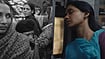
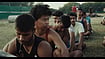
An open letter signed by over 80 filmmakers and artists called out the Berlin Film Festival's silence on Gaza.
Festival director Tricia Tuttle responded by recognising the depth of anger and frustration.
But she also maintained that a prevailing degree of misinformation and harassment could damage the festival and its ecosystem.
This year’s Berlin Film Festival has been in a media storm since the opening day itself. In a new Screen interview, festival director Tricia Tuttle responded to an open letter condemning the festival’s “silence” on the genocide in Gaza. The letter was signed by over 80 filmmakers and artists, current and former participants of the Berlinale, including Javier Bardem, Tilda Swinton and Adam McKay. Major figures in the industry accused the Berlinale of “censoring” artists who have spoken out. Responding to the letter, Tuttle reassured the festival ““recognises the depth of anger and frustration about the suffering of people in Gaza, and the urgency that people feel to speak out and make their voices heard.”
But she also underlined misinformation hijacking the festival, adding the festival is contacting some signatories to ensure “they understand that some of what they’ve signed is not fair or accurate”. She insisted on the anonymity of the campaign being “problematic”, that the festival doesn’t “recognise the overall portrait that’s being put forward”.

Tuttle reiterated the familiar Berlinale stance on being open to dialogue and multiple perspectives, nevertheless calling out “statements that are based on inaccuracies”. Maintaining the situation is more complex than it’s made out, Tuttle emphasised, “We are representing lots of people who have different views, including lots of people who live in Germany who want a more complex understanding of Israel’s positionality than maybe the rest of the world has right now. A lot of that is shifting; people are realising that maybe staatsräson [the commitment in German law to Israel’s security, rooted in historical responsibility for the Holocaust] is holding us back from having important conversations about the government that is currently in power in Israel.”


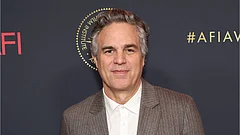
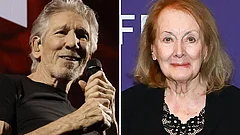

She also reaffirmed the festival’s independence from the German federal government in artistic and programming decisions. She rebutted the censorship allegations, stating the fest “backs free speech within the bounds of German law”. Yet, Tuttle stressed “not everyone wants to talk about this issue, as serious as it may be in their own lives. Some people want to come to the festival for other reasons. The festival needs to provide space for filmmakers to talk about their work, but not necessarily always be the story themselves. This clearly hasn’t worked for the activist campaign, who want us to say what they want us to say, and anything less than that is going to result in continued harassment and misinformation.”