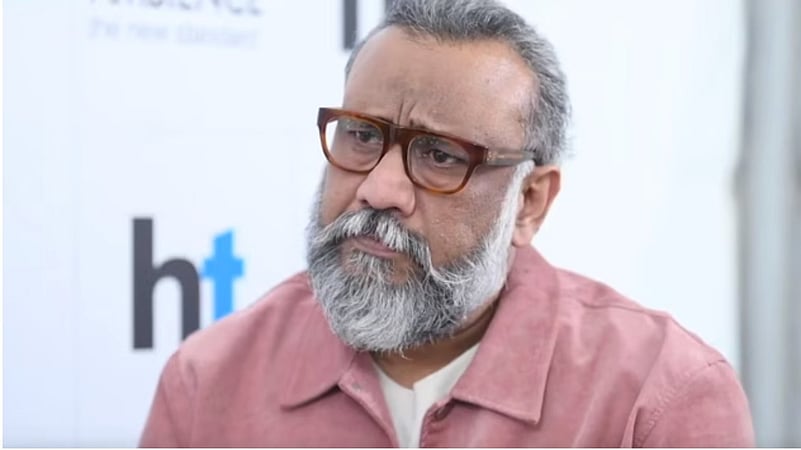
Anubhav Sinha's second innings as a filmmaker have centred on confronting systemic issues like caste, communal tension, patriarchy, and national identity.
From intimate domestic drama to large-scale political crises, his films balance emotional storytelling with sharp social commentary.
With Assi approaching, Sinha continues to position himself as one of mainstream Hindi cinema’s most politically engaged directors.
There was a time when Anubhav Sinha was known largely for slick entertainers. Over the past decade, though, he has completely reshaped his voice. His cinema now leans into discomfort. It asks questions many would rather avoid. It holds a mirror to prejudice, patriarchy, nationalism and the fault lines within Indian society.
With Assi on the horizon, it feels like the right moment to trace the films that marked this transformation.
Here are five works that define Sinha's unflinching phase, along with his latest political drama for streaming.
1. Mulk (2018)

Where to watch: Zee5
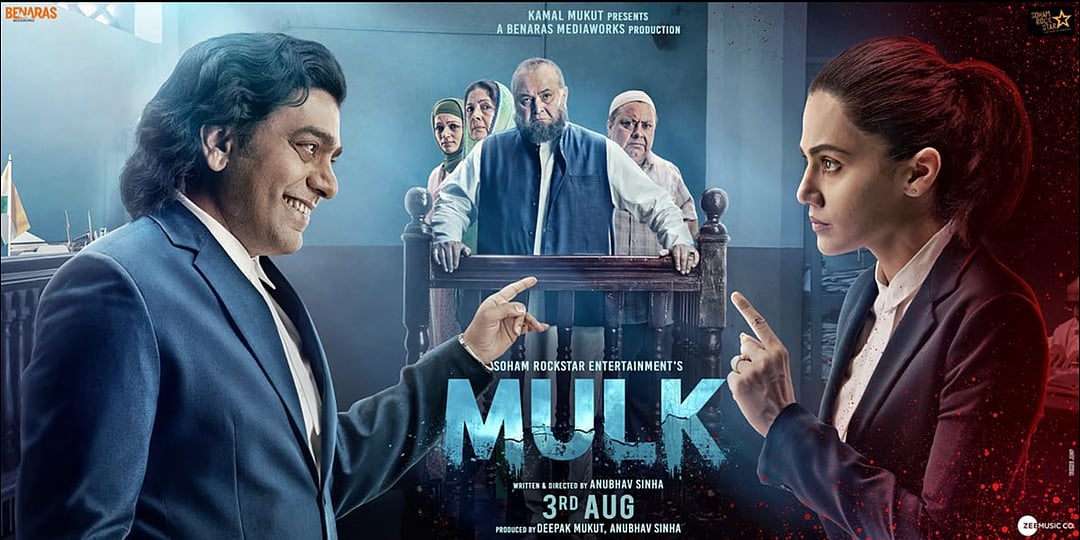
Set against the backdrop of rising suspicion towards Indian Muslims, Mulk follows a respected family whose world collapses when a member is accused of terrorism. The film is anchored by a powerful performance from Rishi Kapoor, alongside Taapsee Pannu, with strong support from Rajat Kapoor and Ashutosh Rana.
What unfolds is less a courtroom drama and more a moral reckoning. The film questions collective blame and the quiet violence of prejudice.
Sinha doesn't shout here. He builds tension through conversations, silences and uncomfortable glances. The result is a film that feels deeply personal yet sharply political. It signalled that he was done playing safe.
2. Article 15 (2019)
Where to watch: Netflix
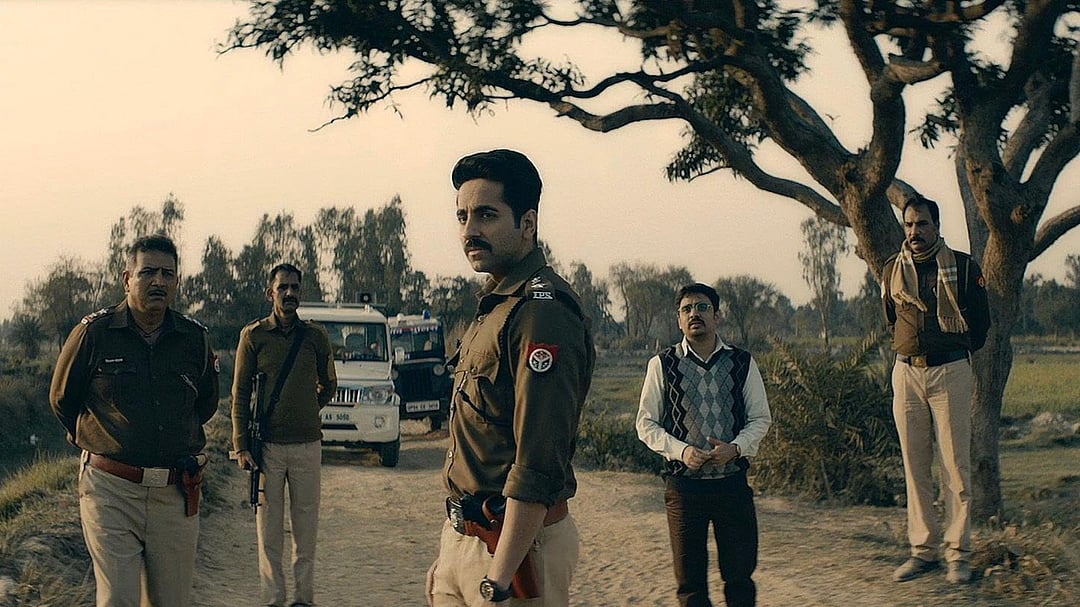
If Mulk examined religious bias, Article 15 turned its gaze towards caste. Ayushmann Khurrana leads the film, backed by compelling performances from Sayani Gupta, Kumud Mishra and Mohammed Zeeshan Ayyub. Inspired by real events, the film follows a young IPS officer investigating the disappearance of Dalit girls in rural Uttar Pradesh. What begins as a crime story slowly becomes a study of systemic discrimination. The title refers to the constitutional article that prohibits discrimination, a promise that the film suggests remains unfulfilled.
Shot in grim, rain-soaked frames, the film is both procedural and political. It does not pretend to have easy solutions. Instead, it exposes how deeply caste is embedded in everyday life.
3. Thappad (2020)
Where to watch: Prime Video
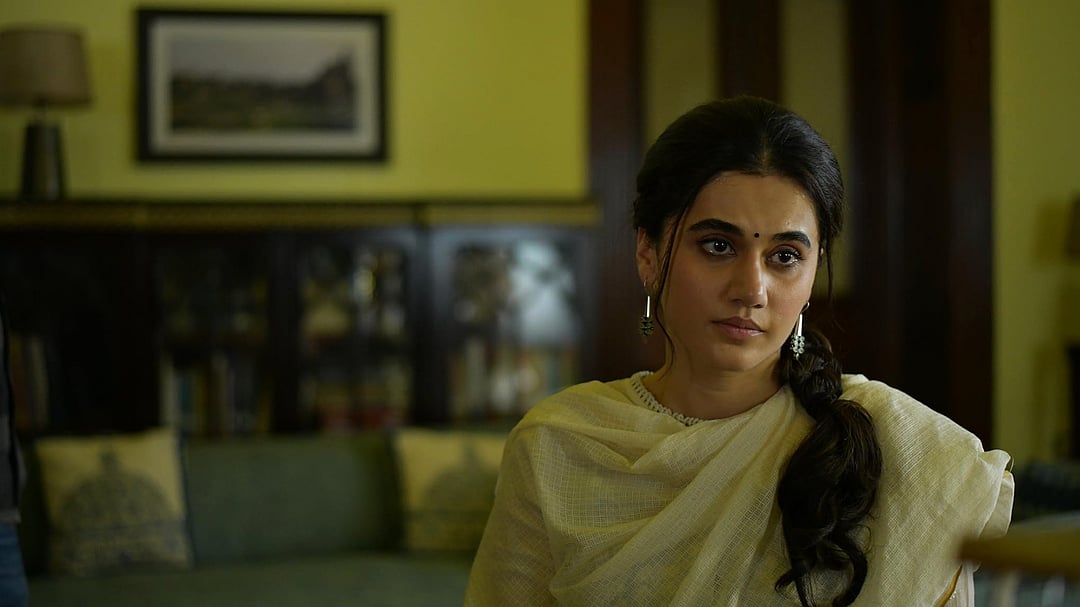
On the surface, Thappad is about a single slap. But that one moment fractures a marriage and opens up a larger conversation about what women are expected to tolerate. The film refuses to dramatise abuse in extreme ways. Instead, it asks a simple question: Is one act of violence ever negligible?
Through its restrained storytelling, Sinha explores patriarchy not as spectacle but as habit. The domestic setting makes the issue impossible to distance itself from. It is quiet, measured and devastating in its clarity.
The emotional core rests on Taapsee Pannu, supported by Pavail Gulati, Dia Mirza and Ratna Pathak Shah.
4. Anek (2022)
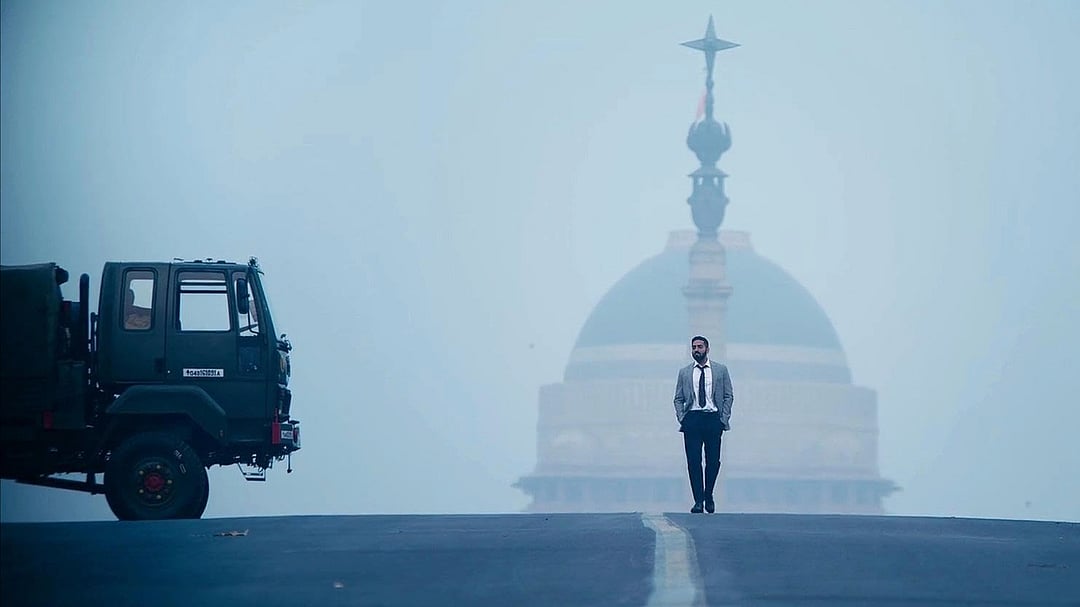
Where to watch: Netflix
With Anek, Sinha shifted focus to the Northeast. Part political thriller, part identity study, the film follows an undercover agent tasked with brokering peace in a conflict-ridden region. Beneath the espionage plot lies a larger meditation on belonging. Who gets to feel fully Indian? Who remains on the margins?
Ayushmann Khurrana headlines the film, alongside Andrea Kevichusa, J. D. Chakravarthy and Manoj Pahwa. The film divided critics, yet its ambition is undeniable. Sinha attempts to map a region often ignored by mainstream Hindi cinema and to challenge mainland assumptions about nationhood.
5. IC 814: The Kandahar Hijack (2024)

Where to watch: Netflix
Moving to long-form storytelling, Sinha recreated the 1999 hijacking of Indian Airlines Flight 814. The ensemble includes Naseeruddin Shah, Pankaj Kapur, Vijay Varma and Dia Mirza.
The series avoids sensationalism. Instead, it focuses on procedure, negotiation and the emotional strain on passengers and officials. By grounding the drama in detail, Sinha examines how political decisions unfold under pressure.
It feels like a natural extension of his recent work: fact-based, layered and morally complex.

And now, Assi
While details of Assi remain closely guarded, the film is expected to continue Sinha’s engagement with social realities. If his recent track record is any indication, this will not be escapist fare. It will likely confront another uneasy truth, told through characters who feel human rather than symbolic.
Sinha's journey is unusual. Few directors reinvent themselves so radically mid-career. From courtroom debates to small-town investigations, from domestic spaces to national crises, his films insist that cinema can do more than entertain.
It can provoke. It can unsettle. And sometimes, it can force a country to look at itself.
With Assi on its way, the question is not whether Sinha will tackle something uncomfortable. It is what he will choose to confront next. Assi will be available to your nearest theatres on 20 February 2026.