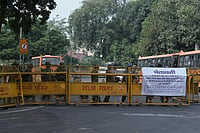
Centre has asked quick commerce platforms like Zepto, Blinkit, Swiggy to remove ‘ten-minute’ delivery promises to ensure delivery riders’ safety.
The move comes after repeated protests by gig workers as well as social media campaigns by consumers highlighting the safety risk and rash driving being forced upon riders.
Zomato CEO Deepinder Goyal had implied the protest had failed and was the work of ‘miscreants’ and not actual demands by real gig workers.
Is this the end of ten-minute deliveries? Many are asking this question since news broke out this afternoon that the centre wants removal of these hyper-fast delivery promises by quick commerce platforms.
Labour Minister Mansukh Mandaviya on Tuesday urged major food delivery and quick-commerce platforms to abandon rigid “10-minute” delivery commitments.
According to IANS, this is to emphasise that the safety of delivery partners must take precedence over speed.It is reported that representatives of Blinkit, Zepto, Swiggy and Zomato, met with Mandviya, and during the meeting the minister advised them to remove strict delivery deadlines from their platforms and promotional material in the interest of delivery workers’ safety.
Platforms such as Zepto and Blinkit thrive on the promise of ten-minute delivery. From palak, pudina to Playstation V – everything at the door in ten-minutes. Well, not from today, it would seem.

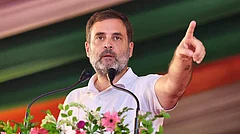


This decision didn’t happen in a vacuum. It came after repeated protests by gig workers as well as social media campaigns by consumers of these platforms who often argued ‘no one will die if my chips don’t arrive in ten-minutes’. AAP MP Raghav Chadha, one of the few political leaders in the country talking of gig worker rights and protection, even donned a delivery ‘partner’s’ outfit on Monday and followed a Blinkit employee to see what this model really does to its people.
All in the hope of bringing the human-impact of ‘lightning fast deliveries’ (slogan once used by one such platform).“Obviously, this is a positive development” says Nitesh Das, Organising Secretary, Gig Workers Association (GigWA). “The strike was not a failure after all. After years of workers' resilience and struggle, this marks the first relief at the policy level. It demonstrated the power of coming together and organising more effectively.” Das here is referring to the most recent two-day long protest by gig workers on December 31, 2025 to January 01, 2026. Gig workers across the country had a ‘no work’ policy on these two days.
Many simply didn’t log in, while some small groups organised on the streets with placards. The protest was rather peaceful, as it mostly involved “bas kaam nahin karenge, razai me baithenge” (we simply will stay at home in our blankets) as one Blinkit partner had told Outlook on December 31, 2025. Back then, Das had explained the workers were protesting against poor working conditions.

The complaints ranged from extremely long working hours with unfair compensation to risk to life due to rash driving in order to accomplish the ‘ten-minute delivery’ promise by these platforms. But it was a very real fear at that time, both among the protesting workers as well as the consumers who were supporting them, that this protest would remain largely symbolic with no impact. After all, such protests had happened before. But those apprehensions have been put to rest today, at least partially.
“There were attempts to discredit the protest. However, the strike was a success. Aggregators survive on the labour of workers, and treating them as disposable is unjust. Workers contribute directly to the economy, through which these platforms grow and profit,” says Das. He is referring to statements made by Zomato CEO Deepinder Goyal in the aftermath of these protests.Goyal had tried to discredit the workers’ strike, and blamed ‘vested interests’ who instigated this fire. He made serious, unfounded allegations like ‘miscreants snatching parcels from workers and assaulting people’ to force a protest which was unwanted by 99.9% of Zomato delivery partners. He did not provide any evidence to his statistical guesses. He had thanked those who helped make this strike unsuccessful.
Across multiple posts addressing the protest, he said ‘political and media mileage’ seekers were amplifying these ‘miscreants’. His many, many allegations against the protesters were countered in the comment section of his post by people supporting the protest. Goyal owns both Zomato and Blinkit. His estimated net worth is around Rs 15,000 Crore. Suhail, a Zomato partner, told Outlook in December that earlier Zomato paid ₹10 per km with short delivery distances, but now riders earn ₹25–30 for 5–6 km, effectively lowering per-kilometre pay.

Zomato also lowered the delivery time promise to customers, essentially a double whammy for any rider.While exact data for the number of accidents involving food or grocery delivery riders is unclear, as it is not something tracked by major surveys, there are a few indicators. In 2025, The News Minute reported there were more than 17,000 traffic violations by delivery riders in a single week, all presumably trying to beat the ten-minute threshold. Deccan Chronicle, reporting from Hyderabad in 2025, claimed there was one delivery rider becoming a victim of road accident (serious as well as minor) every three days.
Newsclick reported in 2022, Worker unions and gig-economy advocates have claimed that around 10–15 riders lost their lives in the past few months due to pressures from ultra-fast delivery models promoted by quick-commerce platforms. After the New Year Eve protests, Goyal blamed ‘miscreants’ and refused any impact, however, Blinkit app did change many things. Starting around January 2, when a customer placed an order on the app, a message popped up ‘the rider is driving from a store ‘200/300’ metres away and will be driving safely to delivery your order in under ten minutes’.So, there was clearly one major impact on the app.
Under pressure by riders and consumers, it had to show the rider was safe. And today, the promise of ten-minute delivery vanished from its app interface immediately after this news broke out. Now as the centre is asking these platforms to fundamentally change their structure (and the thing on which they try to compete with one another and outpace with 10-minute or even 5-minute delivery promises), what can be expected?
“How this will reflect on the ground remains to be seen. Just as the strike made consumers aware, we will now have to see how the aggregators respond. Workers are still facing 10-15 hour workdays, but some progress has at least been made. This moment should be seen as a starting point, not an endpoint, for improving working conditions and ensuring worker safety and dignity.” says Das.