Prime Minister Narendra Modi chaired a special Cabinet Committee on Security meeting to assess India's preparedness for the ongoing West Asia crisis, with ministries presenting contingency plans covering multiple scenarios.
The government reviewed the safety of Indian seafarers, energy security, trade disruptions and fertiliser availability, while reaffirming support for sailors affected by attacks on commercial vessels in the region.
Officials said India has adequate fertiliser stocks through the 2027 cropping seasons and has introduced measures to mitigate the economic impact of disruptions to global oil supplies caused by the Strait of Hormuz crisis.
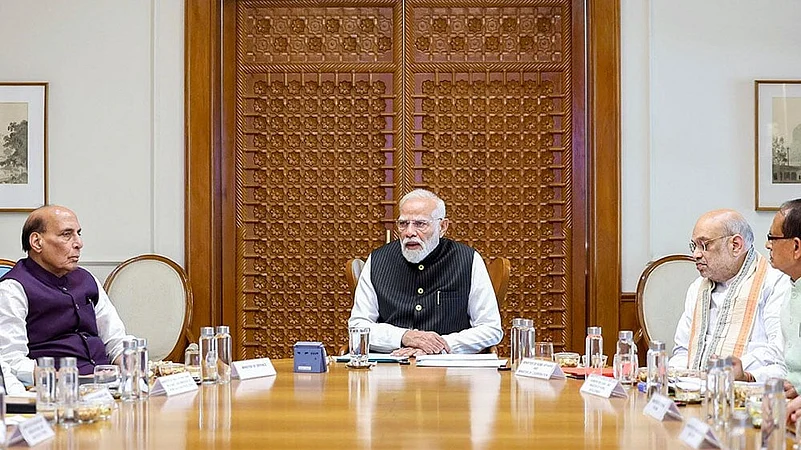
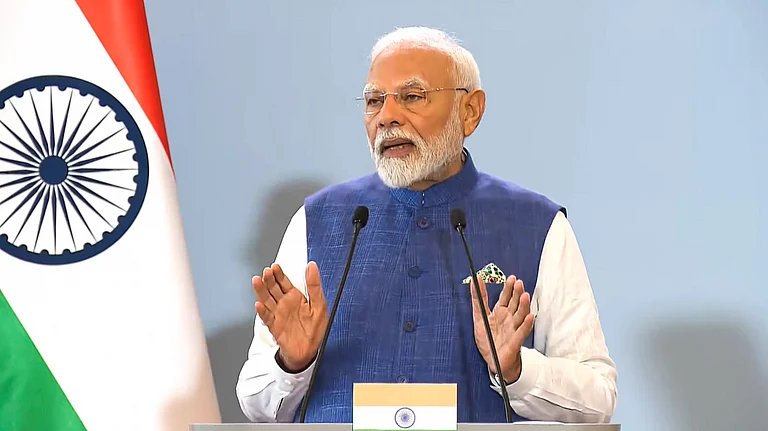
Prime Minister Narendra Modi on Thursday convened a special meeting of the Cabinet Committee on Security (CCS) to review preparations across government departments and ministries amid the ongoing West Asia crisis. The meeting took place at the Prime Minister’s Office in Parliament.
Sources within the government said the administration is ready to face any challenge in the coming period, with the West Asia conflict and its impact on trade and the supply of petroleum products being central to the discussion.
New Delhi has previously voiced deep concern over the escalation of the security situation in the region. It had called for the matter to be addressed through dialogue and diplomacy rather than escalating hostilities.
The meeting was attended by Defence Minister Rajnath Singh, External Affairs Minister S. Jaishankar, Finance Minister Nirmala Sitharaman, and National Security Advisor Ajit Doval.
Among the other ministers present were Health Minister JP Nadda, Commerce and Industry Minister Piyush Goyal, Petroleum Minister Hardeep Singh Puri, and Shipping Minister Sarbananda Sonowal. PK Mishra, Principal Secretary to the Prime Minister, was also present.
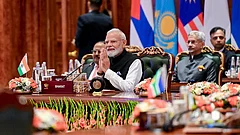

Sources said each ministry presented projections keeping all possible scenarios in mind and that emergency response plans were laid out ministry-wise, with quick response teams to be constituted for each.
Seafarer safety takes centre stage
The prime minister reiterated that the government stands by every seafarer, regardless of which country’s flag the cargo vessel they serve on is registered under. Several many in the crossfire of the Iran-Israel-US conflict.
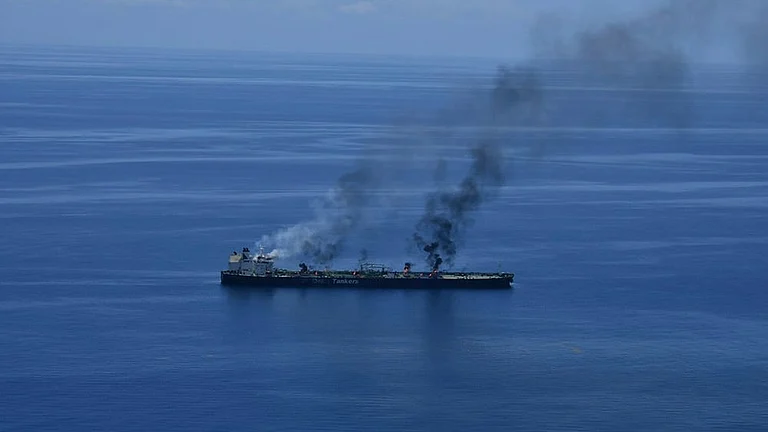
According to the Directorate General of Shipping, Indian sailors have been killed and wounded in a series of strikes on commercial vessels transiting the Strait of Hormuz and Gulf of Oman, including attacks on tankers such as the Settebello, GFS Galaxy, Mombasa, Al Bahiyah, MT Wedyan, and Al Rekayyat.
To date, a total of 18 Indian seafarers have lost their lives and two remain missing since the conflict escalated. It includes 13 in West Asian waters and five in the Black Sea.
The Ministry of External Affairs had summoned the diplomats from the United States, Iran, Russia and Ukraine and registered its strong protest against the killing of Indian seafarers.
Fertiliser stocks and energy security
The prime minister also reviewed the availability of fertilisers in the country and the steps being taken to secure supply through the Kharif and Rabi seasons. The fertiliser ministry informed the meeting that the country holds sufficient stock to last through both cropping seasons until 2027.
On the energy front, the crisis has had wider economic reverberations. The choking of the Strait of Hormuz has led to a shortfall of petroleum products in global markets and a spike in prices.
To reduce the impact, the government has rolled out measures including customs duty exemptions and the RELIEF scheme aimed at easing supply-chain disruptions, alongside steps to safeguard industrial input costs and macroeconomic stability.