Rule 349 prohibits MPs from reading books or newspapers in the House unless directly linked to official business, regardless of publication status.
Experts say Speakers have historically required MPs to authenticate documents before quoting them in Parliament.
Citing unauthenticated or incorrect material can invite action, including a privilege motion against the member.
Amid a controversy over Congress leader Rahul Gandhi quoting from an unpublished "memoir" of former Army chief M M Naravane in Parliament, an expert on Parliamentary procedures on Tuesday said Rule 349 bars members from reading from any book, newspaper or letter except in connection with the business of the House.
However, the Rule does not elaborate on published or unpublished.
Speaker Om Birla and Gandhi engaged in a standoff in the Lok Sabha on Monday after the Speaker, citing a House rule, forbade the Leader of the Opposition from quoting from the former army chief's unpublished memoir on the 2020 India-China conflict.
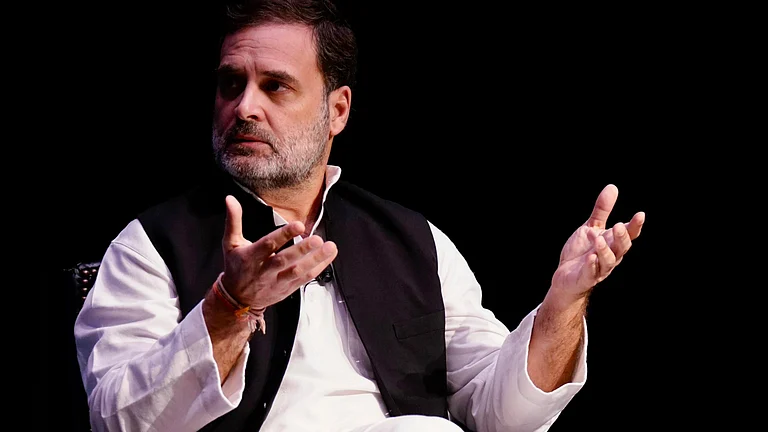
Speaker Birla cited Rule 349 to disallow Gandhi from quoting from the retired general's unpublished memoir.
"Rules to be observed by members in House" falls under Rule 349. The rule has 23 subclauses dealing with a variety of issues.
Sub clause one deals with members quoting from documents. "Whilst the House is sitting, a member (i) shall not read any book, newspaper or letter except in connection with the business of the House," it reads.
"It also means that a member can refer to any of these if it is in connection with the business of the House," former Lok Sabha secretary general P D T Achary told PTI. He said while the rule is "negatively framed", it has a "positive meaning" also, which allows members to quote from a document if they are relevant to the business of the House.
The Motion of Thanks on the President's Address, which might have touched on foreign policy or relations, was the House's Monday business, he added.
He underlined that, though it is not in the rule, speakers have ruled in the past that members who want to quote something in the House should authenticate it.
"He or she has to mention that they stand by it and also verify the content of the document being quoted," the constitution expert said.
Acccording to Achary, once the document is authenticated, the speaker allows the member to quote it. Then it becomes the responsibility of the government to respond, and the role of the speaker ends.
He cautioned that the House should only be told the truth, and a member who quotes from an incorrect or fake document is held responsible.
"A privilege motion can be moved against the member," he underlined.
Defence Minister Rajnath Singh questioned how unpublished information could be mentioned in the House when Gandhi began quoting from an unreleased book.
The Speaker forbade the Congressman from quoting from a news story that contained the unpublished memoir, and the House was repeatedly adjourned.
In defiance of Speaker Birla's decision, the BJP claimed that Gandhi's false accusations damaged the morale of Indian soldiers and undermined the dignity of Parliament. Gandhi claimed that the government is "afraid" of a line he wants to quote from the book and that he would say that in the Lower House.