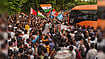
Over ₹2,700 crore spent on water projects in Sambhajinagar, yet residents continue to get water only once in 4-10 days.
Project severely stalled due to massive delays, repeated contractor changes, huge cost overruns, and incomplete distribution infrastructure.
Bombay High Court actively monitoring the crisis; partial relief expected by late 2026, but citizens remain doubtful due to past broken promises.
While Mumbai continues to enjoy relatively stable water supply from its distant lake sources, the historic city of Sambhajinagar (formerly Aurangabad) is struggling with severe water scarcity despite the Maharashtra government spending over ₹2,700 crore on various drinking water augmentation schemes in the last few years.
Residents of Sambhajinagar receive municipal water supply once every 4 to 7 days in most areas, and that too for a brief 30 to 45 minutes. In many peripheral localities and newly developed colonies, water is supplied only once in 10 to 15 days. This acute shortage has forced thousands of families to rely heavily on expensive private water tankers, which charge exorbitant rates during peak summer months. Women and children are often seen waiting in long queues at public standposts or filling pots from distant borewells, highlighting the daily hardship faced by citizens in a city that was once known for its planned infrastructure.



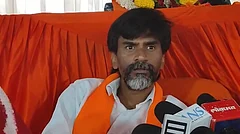
Why the Project is Stalled
The flagship Upper Godavari River Water Supply Project and several other schemes aimed at ensuring 24x7 water supply have been plagued by severe delays. Multiple factors including slow land acquisition, technical complications in laying pipelines through rocky terrain, and poor coordination between the Aurangabad Municipal Corporation (AMC) and state agencies have brought the project almost to a standstill. Despite repeated assurances from ministers and officials, on-ground progress remains painfully slow.
The core water supply project was originally estimated at around ₹800-900 crore when it was conceived nearly a decade ago. However, due to repeated revisions, cost escalations, and additional works, the total expenditure has now skyrocketed to more than ₹2,700 crore. This massive overrun has raised serious questions about financial management and accountability in the execution of these public utility projects.
What was originally slated for completion by 2020-21 has now been delayed by more than five years. Several deadlines have come and gone without any tangible improvement in the water supply situation. The project has seen multiple extensions, with the latest target pushed further into 2026-27. These repeated delays have not only increased the financial burden but also eroded public confidence in the administration.
Contractor Issues
A major reason behind the prolonged delay has been frequent changes of contractors. At least two major contractors have abandoned the project midway citing financial losses and payment disputes. Allegations of substandard workmanship, use of inferior materials, and corruption have also surfaced. The frequent switching of agencies has resulted in loss of continuity, wasted resources, and further escalation of project costs.
Missing Infrastructure
Although substantial funds have been spent on laying large-diameter pipelines and constructing reservoirs, critical last-mile infrastructure remains missing. Many booster pumping stations, overhead tanks, and the final distribution network in residential colonies are yet to be completed. As a result, even the water that is treated and pumped often fails to reach households effectively, leading to huge wastage and inequitable distribution across the city.

Why Court Got Involved
Frustrated by the continued apathy, residents and civic groups approached the Bombay High Court. The court has repeatedly pulled up the state government and the Aurangabad Municipal Corporation for failing to provide basic drinking water to citizens. Judges have directed the authorities to submit regular progress reports and have warned of contempt proceedings and personal accountability if the situation does not improve soon. The judicial intervention has brought some urgency to the issue but implementation on the ground continues to lag.
When Relief May Come
Officials have now promised partial relief by December 2026 once the remaining pipelines and pumping stations are commissioned. The state government has constituted a high-level monitoring committee under the Chief Secretary to expedite the pending works. However, given the long history of missed deadlines, citizens of Sambhajinagar remain highly skeptical. Many are demanding immediate interim measures such as increased tanker supply and emergency borewell projects until a permanent solution is put in place.
The stark contrast between Mumbai’s relatively better water management and Sambhajinagar’s continued crisis has further fuelled public anger and political debate in Maharashtra