When Muhammad Mustaffa, 26, pronounced talaq thrice to divorce 19-year-old Ramla and then changed his mind to take her back, he was little prepared for the chain reaction that his impetuous action triggered. A routine domestic squabble in Muslim-dominated Malappuram snowballed into a controversy to stir Kerala's Sunni Muslim community and it culminated in a day-long conclave of religious scholars who battled over the merits of Mustaffa's action. The meet, marked by heated exchanges between rival Sunni factions, failed to resolve the issue.
The marathon debate was called after Sunni leader Cherucheri Zainuddin Musliar, who heads the community's apex body, the Samastha Kerala Jem-iyyathul Ulamma, issued an edict or fatwa declaring Mustaffa's talaq invalid and supporting his decision to cohabit with Ramla. The fatwa was vigorously opposed by a breakaway section of Sunnis led by Kanthapuram Aboobacker Musliar who believed the talaq was in force and demanded punitive action against Mustaffa.
Mustaffa, a taxi-driver, also faced the wrath of the locals at Valapuram, where the incident took place. Twenty days after he beat up his wife and pronounced talaq on June 16, '98, a contrite Mustaffa brought her back home. Angry residents petitioned the qazi of the local mosque to voice their objection. The qazi ruled that Mustaffa had violated Shariat tenets by reuniting with his divorced wife without observing stipulated procedures. Shariat laws stipulate that a woman on whom talaq has been pronounced cannot reunite with her husband until she is married to another man and subsequently divorced.
Armed with the ruling, the locals mounted pressure on Mustaffa to leave Ramla, who by then had delivered her second child. "I was dragged out of home by a mob, tied to a tree and beaten up when I refused to leave my wife," Mustaffa recalls. Social ostracism followed. His family was not allowed to draw water from the community tap. Mustaffa lost his job and no one was prepared to give him work.
Accompanied by a sympathetic neighbour who was a member of the cpi(m), Mustaffa did the rounds of all the religious heads in the area. He was rebuffed wherever he went.
The beleaguered taxi-driver finally appealed to the highest Sunni ecclesiastical authority, Zainuddin Musliar. The Sunni chief made an independent assessment and on October 21, '98, issued a fatwa invalidating Mustaffa's talaq on the ground that its pronouncement was faulty.
This spread consternation in Valapuram and beyond. To many, the ecclesiastical head of the Sunnis had legitimised Mustaffa's sacrilegious conduct. Valapuram residents went in a delegation to meet Panakkad Shihab Thangal, the iuml chief. Wary of politicising the issue, Thangal backed off from giving a ruling but counselled the delegation to abide by the ruling of the Valapuram qazi. The iuml chief thus indirectly expressed solidarity with the lobby opposed to the fatwa.
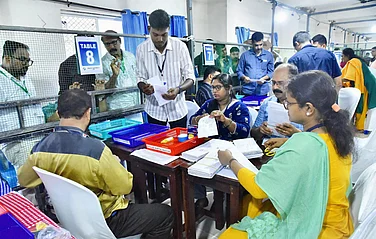
With the qazis of local mosques against the fatwa and the iuml head sympathising with them, it became increasingly clear that only a samvad or a religious conclave could resolve the controversy. On February 25, religious scholars met in a Malappuram auditorium to debate the issue under police supervision. The media was kept out. Both factions videotaped the proceedings as speakers invoked textual authorities and sources to buttress their argument. The rival leaders, Aboobacker Musliar and Zainuddin Musliar, stayed out of it.
The crux of the debate were the words uttered by the taxi-driver when he pronounced talaq on his wife. Zainuddin Musliar invalidated the talaq because the word "I" was missing in the talaq statement. The Kanthapuram group argued that it was not mandatory for a man to say "I" while pronouncing talaq. Each side relied on Quranic references to support its claim.
After the conclave, each faction claimed victory. Zainuddin Musliar's votaries accused their opponents of distorting the videotapes to convey a false impression of triumph. The Kanthapuram faction claimed Musliar's fatwa did not stand up to intellectual scrutiny. In the final analysis, the mammoth exercise failed to end the controversy.But even as the ideological war continues, spreading tension in the area, the ostracised taxi-driver and his wife continue to live together in a reunion fraught with risk, and under social boycott.