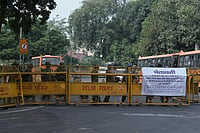
U.S. special forces captured Nicolás Maduro and top officials in Caracas overnight, toppling the 26-year socialist government.
U.S. President states America will “run” Venezuela temporarily, including direct management of its vast oil reserves.
Operation hailed by some as liberation, condemned by Russia, China and others as invasion; transitional governance under opposition figures begins amid street celebrations and clashes.
U.S. special forces conducted a nighttime raid into Caracas early Tuesday, capturing Venezuelan President Nicolás Maduro and several top officials, effectively toppling the socialist government that has ruled the country since 1999.
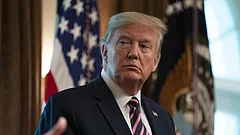
President Donald Trump announced the operation from the White House Rose Garden hours after the raid, declaring: “We have liberated Venezuela from a brutal, corrupt dictatorship. The United States will now run Venezuela, temporarily, until free and fair elections can be held — and we will manage its abundant oil resources responsibly for the benefit of the Venezuelan people and the free world.”
The raid, carried out by elite units of the Joint Special Operations Command, reportedly involved helicopters inserting forces into the Miraflores Palace compound just after midnight local time. Maduro, Vice President Delcy Rodríguez, and key military commanders were taken into custody with minimal resistance. State television went off air shortly afterward, and opposition leader Juan Guaidó — recognized by the U.S. as interim president in 2019 — was flown back into Caracas under American protection to assume transitional leadership.
The U.S. action has been justified by the Trump administration as a “humanitarian intervention” to end years of repression, economic collapse, mass migration, and alleged ties to narco-terrorism and Iran. Trump emphasized that U.S. forces would oversee the transition, secure Venezuela’s massive Orinoco Belt oil reserves — the world’s largest proven reserves — and prevent “China, Russia or cartels from looting the country’s wealth.”


International reaction was swift and sharply divided. The European Union called for an emergency UN Security Council meeting, while Russia and China condemned the operation as “blatant imperialism” and “illegal regime change.” Several Latin American governments — including Brazil, Colombia, and Argentina — expressed concern over sovereignty violations, though some quietly welcomed Maduro’s fall after years of regional spillover from the Venezuelan crisis.
Inside Venezuela, jubilant crowds poured into streets in Caracas, Maracaibo, and Valencia waving opposition flags, while pockets of Chavista loyalists clashed with security forces. Internet blackouts and sporadic gunfire were reported in the capital.
The White House has not disclosed the current location of the detained Maduro or other officials, only stating they are “in safe custody” and will face justice “for crimes against humanity.”
Analysts warn the move risks igniting a prolonged insurgency, massive refugee flows, and a new chapter of U.S. military entanglement in Latin America.