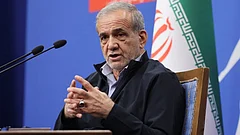
Iranian Foreign Minister Abbas Araghchi is traveling to Pakistan's capital on Friday night, officials confirmed, in a significant diplomatic move as Islamabad seeks to broker a breakthrough for the second round of US-Iran peace talks amid an ongoing war.
Following a flurry of telephone conversations between Araghchi and Pakistan's political and military leadership, the top Iranian diplomat is expected to arrive in Islamabad with a small delegation. While initial reports from Pakistani sources suggested the visit would pave the way for imminent negotiations with a US delegation, Iranian state media has characterized the trip as the first leg of a regional tour that will also include visits to Oman and Russia.
The development comes as the United States maintains a naval blockade on Iranian ports, a key sticking point that has prevented Tehran from committing to a second round of talks. Iran has repeatedly demanded the blockade be lifted as a precondition for returning to the negotiating table, while the US has so far refused.
Araghchi held separate phone calls on Friday with Pakistan's Deputy Prime Minister and Foreign Minister Ishaq Dar, as well as with Army Chief Field Marshal Asim Munir. According to statements from both governments, the discussions focused on regional developments, the current ceasefire, and Pakistan's ongoing mediation efforts between Washington and Tehran.

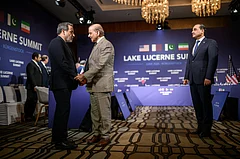
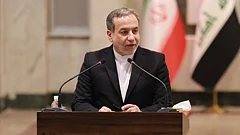
Pakistan's Foreign Ministry noted that Dar "underscored the importance of sustained dialogue and engagement to address outstanding issues," while Araghchi "appreciated Pakistan's consistent and constructive facilitation role".
Pakistani government sources told Anadolu Agency that following "important discussions with the Pakistani mediation team," a second round of Islamabad peace talks is expected, with a US logistics and security team already in the capital to support preparations . However, no official confirmation has been issued regarding the presence or timing of a US delegation.
The Iranian state news agency IRNA reported that Araghchi's visit to Pakistan is bilateral in nature, focused on consultations with Pakistani officials, and that he would subsequently travel to Moscow and Muscat . This framing suggests Tehran may be taking a cautious approach, publicly downplaying expectations of an immediate breakthrough while keeping diplomatic channels open.
Al Jazeera reported, citing senior Pakistani officials, that there is now a "high likelihood of a breakthrough" following days of escalating brinkmanship . Yet Iran's public position remains firm: authorities have cited Washington's "excessive demands" and the ongoing naval blockade as the two main impediments to concluding the war.
The war began on February 28 when the United States and Israel launched attacks against Iran, including the assassination of Leader of the Islamic Revolution Ayatollah Seyyed Ali Khamenei and strikes on nuclear facilities and civilian infrastructure. Iran responded with extensive retaliatory strikes under Operation True Promise 4.
Pakistan brokered a two-week ceasefire on April 8, which paved the way for the first round of direct US-Iran talks in Islamabad on April 11-12 — the highest-level direct engagement between the two countries since diplomatic ties were severed in 1979 . US President Donald Trump unilaterally extended the ceasefire on Tuesday, though no new timeline was provided.
Since April 13, the US has enforced a naval blockade on Iranian ports, while Iran has maintained control of the strategic Strait of Hormuz — a situation that has disrupted global energy supplies, particularly affecting Asian economies.