India expressed deep concern over renewed attacks in West Asia, calling for an immediate reduction in hostilities and a diplomatic solution to restore peace and stability.
New Delhi's appeal came amid fresh exchanges of fire between Israel and Iran, escalating regional tensions and threatening ongoing diplomatic efforts to secure a broader peace agreement.
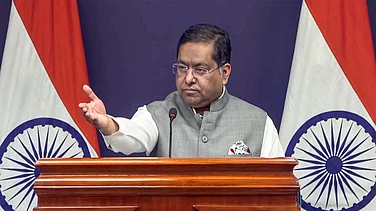
India on Monday expressed deep concern over the renewed escalation in West Asia and the Gulf region, urging all sides to halt hostilities immediately and return to dialogue.
The Ministry of External Affairs (MEA) said the conflict, now stretching beyond 100 days, has inflicted significant humanitarian suffering while disrupting global economic activity and energy markets.
In a statement, the MEA said, "India deeply regrets the renewed attacks in West Asia. These developments are a matter of utmost concern to the international community. This conflict has now lasted over 100 days and has already caused immense human suffering. It has also had a debilitating impact on the global economy and energy supplies".
Reiterating its support for a negotiated settlement, the ministry added: "We call on all parties to immediately de-escalate tensions, ensure that civilians are not harmed and conclude ongoing negotiations for a diplomatic solution so that peace and stability can return to the region".
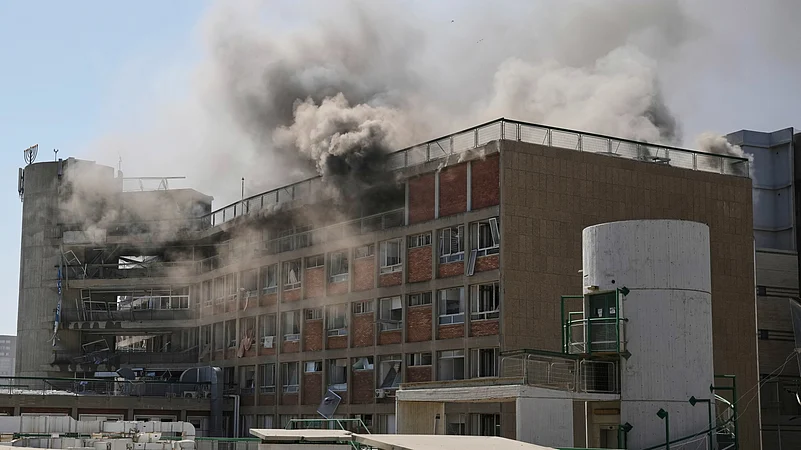
India's appeal came as military activity intensified sharply across the region, with fresh missile exchanges, airstrikes and retaliatory operations raising fears of a wider conflict.

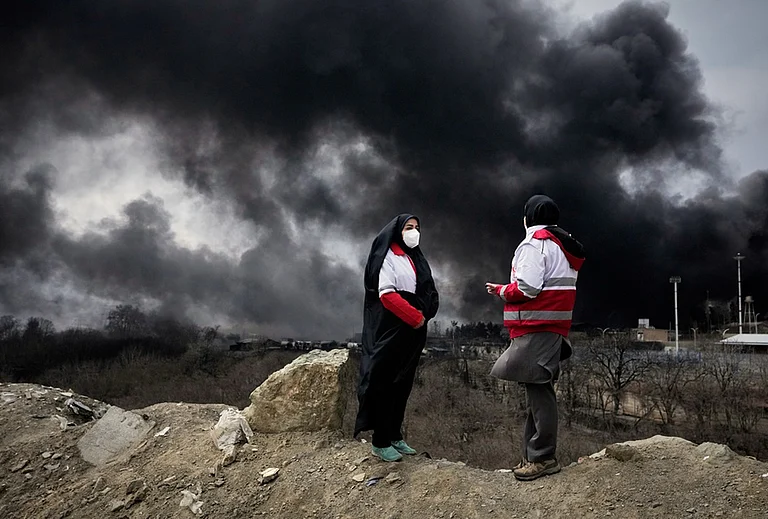
The situation deteriorated further on Monday as Israel and Iran exchanged attacks on the 100th day of the war, putting the fragile ceasefire into question and potentially draw West Asia back into full-scale confrontation.
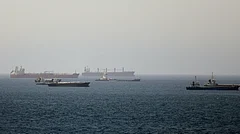
Yemen's Iran-backed Houthi movement also simultaneously said that it would block Israeli-linked vessels from transiting the Red Sea.
The latest escalation included Israeli strikes on an Iranian petrochemical facility and Iranian claims that two Israeli military installations had been targeted. The exchanges took place despite reports that U.S. President Donald Trump had urged Israel to avoid further retaliatory action against Tehran.
The current flare-up follows Israeli airstrikes on Beirut's southern suburbs on Sunday, an operation that triggered Iranian retaliation and set off a new cycle of attacks and counterattacks.
The renewed violence has cast doubt over ongoing diplomatic efforts to bring the conflict to a permanent end. It also threatens Washington's attempts to secure a broader agreement with Tehran, including negotiations aimed at resolving longstanding disputes over Iran's nuclear programme.
(The New Indian Express reported)