






Iranian strikes damaged a Kuwait desalination plant, disrupting power and water production.
Kuwait relies on desalination for 90% of drinking water, exposing critical vulnerability.
Gulf desalination plants face growing risks from regional conflict and missile attacks.
Iranian strikes on Friday damaged a power and water desalination facility in Kuwait, knocking out a significant number of power generation units and sparking a fire that authorities said was subsequently contained. Emergency contingency plans were activated in response, the Associated Press reported.
The attack on the plant, one of Kuwait's primary sources of drinking water, has thrown into sharp relief the extraordinary fragility of water supplies across one of the world's driest regions. Kuwait produces around ninety per cent of its drinking water through desalination, with Oman at roughly eighty-six per cent and Saudi Arabia at approximately seventy per cent. The process typically involves pushing seawater through ultrafine membranes in a method known as reverse osmosis, and hundreds of plants running this technology sit along the Persian Gulf coastline, within range of Iranian missiles and drones.
Without these facilities, major Gulf cities could not sustain their existing populations. A CIA analysis from 2010 warned that attacks on desalination infrastructure could trigger national crises across several Gulf states, and that prolonged damage to critical equipment could leave outages lasting months. More than ninety per cent of the Gulf's desalinated water is produced by just 56 plants, the report noted, each of which it described as extremely vulnerable to sabotage or military action.

A chain of vulnerabilities
Many of the region's desalination plants are physically integrated with power stations in co-generation facilities, meaning strikes on electrical infrastructure can simultaneously disrupt water production. Damage to any stage of the supply chain, whether intake systems, treatment facilities or energy supplies, is enough to interrupt output.


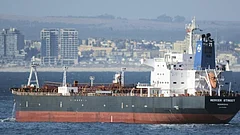
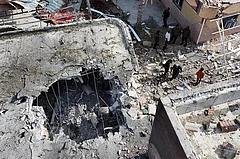
Friday's strike was not the first of its kind. Kuwait previously reported damage at the Doha West desalination plant earlier in the war, caused by debris from intercepted drones targeting a nearby port. Iran separately accused the United States of striking desalination plants on Qeshm Island in March, cutting water supplies to thirty villages, though Washington did not confirm the attack. Yemen's Houthi rebels have also struck Saudi desalination facilities in the past.
While international attention has largely focused on the war's impact on oil prices and shipping through the Strait of Hormuz, Friday's strike serves as a reminder that the conflict's reach extends well beyond energy markets, threatening the basic infrastructure that keeps Gulf cities alive.















