Washington is urging Pakistan to contribute forces to a US-backed Gaza stabilisation mission.
It is posing a challenge to Field Marshal Asim Munir’s newly consolidated power.
At home, potential troop deployment risks triggering protests from Islamist groups with significant street power, raising fears of domestic backlash.
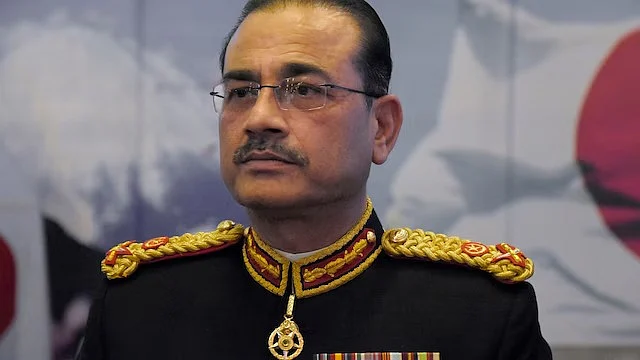
Pakistan’s Field Marshal Asim Munir, the country’s most powerful military chief in decades, is facing a test of his newly consolidated authority as Washington presses Islamabad to contribute troops to a proposed Gaza stabilisation force, a step analysts warn could trigger domestic backlash.
Reuters reported that Munir is expected to travel to Washington in the coming weeks to meet US President Donald Trump, marking their third meeting in six months. The talks are likely to centre on the proposed Gaza force.
Trump’s 20-point Gaza plan envisages a multinational force drawn from Muslim-majority countries to oversee a transition phase focused on reconstruction and economic recovery in the war-ravaged Palestinian territory, devastated by more than two years of Israeli military bombardment.
Many countries remain wary of participating in a mission aimed at demilitarising Hamas, Gaza’s Islamist militant group, fearing it could draw them deeper into the conflict and provoke anger among pro-Palestinian and anti-Israeli constituencies at home, Reuters reported.
Munir, however, has cultivated a close relationship with the unpredictable Trump in an effort to repair years of mistrust between Washington and Islamabad. In June, he was rewarded with a White House lunch — the first time a US president hosted Pakistan’s army chief alone, without civilian leaders present.




Earlier this month, Munir was appointed chief of the defence forces, bringing the air force and navy under his command, alongside an extension of his tenure until 2030. He will retain the title of field marshal for life and benefit from lifetime immunity from criminal prosecution under constitutional amendments passed by Pakistan’s civilian government late last month.
"Few people in Pakistan enjoy the luxury of being able to take risks more than Munir. He has unbridled power, now constitutionally protected," Kugelman said.
"Ultimately, it will be Munir's rules, and his rules only."

The home-front risk
In recent weeks, Munir has held meetings with military and civilian leaders from countries including Indonesia, Malaysia, Saudi Arabia, Turkey, Jordan, Egypt and Qatar, according to military statements — engagements that analyst Ayesha Siddiqa said appeared to be consultations linked to the Gaza force.
The primary concern domestically is that deploying Pakistani troops to Gaza under a US-backed plan could reignite protests by Islamist parties fiercely opposed to both the United States and Israel.
These groups possess significant street power and can mobilise thousands. One particularly influential and violent anti-Israel Islamist party, known for campaigning to uphold Pakistan’s ultra-strict blasphemy laws, was banned in October.
Authorities have since arrested its leaders and more than 1,500 supporters, while seizing its assets and bank accounts, officials said, as part of an ongoing crackdown.
(Report by Reuters)