Iran’s Foreign Minister Abbas Araghchi rejected pressure for talks with the United States, arguing that Tehran’s real power comes from refusing unequal negotiations.
He framed resistance as a strategic asset, saying Iran gains leverage by standing firm rather than conceding under sanctions or threats.
The remarks underscore a hardened Iranian stance on diplomacy, casting doubt on prospects for near-term U.S.–Iran negotiations.
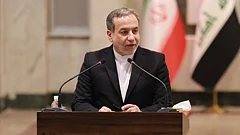
Iran’s top diplomat struck a firm tone in remarks on Sunday, asserting that Tehran’s strength comes from its willingness to stand firm against pressure from Washington, just days after a new round of nuclear talks with the United States.
Speaking at a summit in Tehran, Iranian Foreign Minister Abbas Araghchi said the “secret” of the Islamic Republic’s power is its ability to “say no to the great powers.” He framed that resistance as the cornerstone of Iran’s diplomatic leverage, rejecting what he described as bullying and domination by external powers. Araghchi employed the metaphor of an “atomic bomb” to describe this posture, saying that while Iran is not pursuing nuclear weapons, its real power lies in defiance.
The comments come on the heels of indirect negotiations held in Muscat, Oman, where Iranian and U.S. delegations agreed to continue discussions on the nuclear issue. Iranian President Masoud Pezeshkian described the talks as a “step forward,” though Araghchi’s rhetoric highlighted deep divisions in Tehran over how to engage with Washington.
At the same time, Iran reiterated key red lines in the negotiations: it will maintain its uranium enrichment program and reject any talks under overt military threat. Araghchi has also stressed that Iran’s missile program is “never negotiable” and emphasized that any future engagement must respect Tehran’s sovereignty and rights.

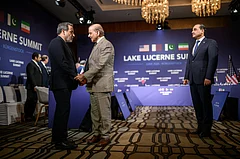

The United States, for its part, said the round of talks was “very good” and signaled its eagerness for further engagement, even as it maintains pressure, including military deployments and sanctions. Whether the contrasting tones from Tehran’s leadership will shape the next phase of diplomacy remains uncertain.