El Niño is developing in the tropical Pacific, with the WMO forecasting an 80% chance of emergence by mid-2026 and a strong likelihood of persisting into late 2026.
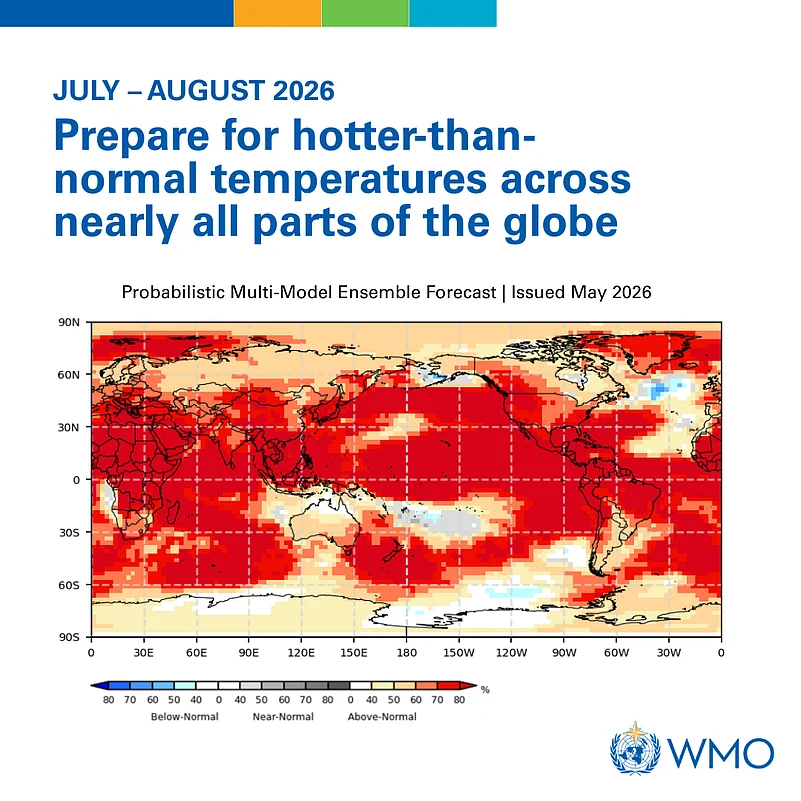
Warmer ocean waters could drive higher global temperatures, heatwaves, floods, droughts and shifting rainfall patterns worldwide.
Early warnings and preparedness are critical to help governments, communities and key sectors reduce climate-related risks and economic losses.
The world is once again bracing for the return of El Niño, one of the most influential climate phenomena on Earth.
According to the World Meteorological Organization (WMO), there is an 80% probability that El Niño conditions will develop between June and August 2026, with a more than 90% chance that the event will persist through at least November.
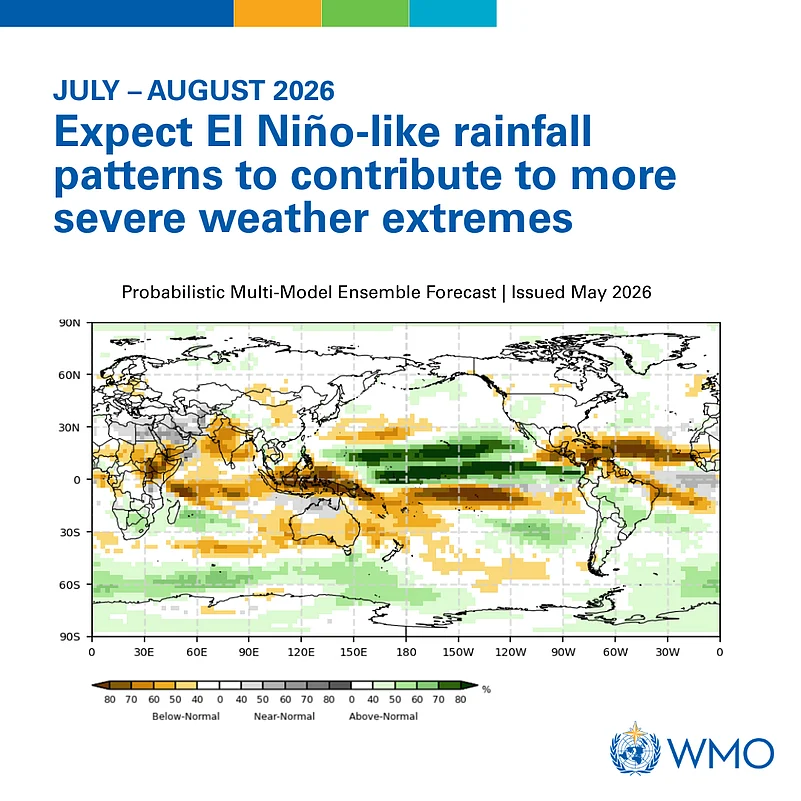
Driven by unusually warm ocean waters in the tropical Pacific, El Niño is expected to alter global temperature and rainfall patterns, increasing the likelihood of heatwaves, droughts, floods and other extreme weather events across multiple regions.
What is El Niño?
El Niño is the warm phase of the El Niño-Southern Oscillation (ENSO), a naturally occurring climate pattern that originates in the central and eastern equatorial Pacific Ocean. During an El Niño event, sea surface temperatures in this region become significantly warmer than average, disrupting atmospheric circulation and weather systems worldwide.
Typically occurring every two to seven years, El Niño events last between nine and 12 months and usually peak between November and February. Scientists monitor both ocean temperatures and atmospheric indicators, such as the Southern Oscillation Index, to determine the onset and strength of an event.


Why Is El Niño Developing in 2026?
According to the WMO, ocean temperatures beneath the surface of the tropical Pacific are currently more than 6°C above average in some areas. This reservoir of heat is fueling warming at the ocean surface and pushing conditions toward El Niño thresholds.
Forecast models suggest the developing event is likely to be moderate to strong, although uncertainty remains about its exact intensity and timing.
Historical Impact of El Niño
Historically, El Niño has been associated with some of the world's most severe weather extremes. The powerful 1997-98 El Niño triggered devastating floods in parts of South America, droughts in Southeast Asia and widespread economic losses globally.
More recently, the 2023-24 El Niño was among the five strongest on record and contributed to record-breaking global temperatures in 2024. Scientists say that while climate change does not necessarily make El Niño more frequent, a warmer atmosphere amplifies its impacts by increasing heat and moisture available for extreme weather.
Which Regions Could Be Affected?
While every El Niño is different, certain patterns commonly emerge. Increased rainfall is often observed across parts of southern South America, the southern United States, the Horn of Africa and Central Asia. Meanwhile, drier-than-normal conditions can develop across Australia, Indonesia, Central America, the Caribbean and parts of South Asia.
The phenomenon can also increase the risk of marine heatwaves, agricultural disruptions, water shortages and public health challenges linked to extreme temperatures.
Why Early Warnings Matter
The WMO has urged governments, humanitarian agencies and climate-sensitive sectors to prepare now. Seasonal forecasts and early warning systems can help communities manage risks, protect livelihoods and reduce economic losses.
As El Niño gathers strength in the Pacific, experts warn that proactive planning—not reactive response—will be crucial in mitigating the impacts of what could become a significant global climate event.