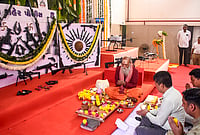
Every year, millions of devotees across India celebrate the birth anniversary of Lord Hanuman with deep devotion and spiritual fervor. Known as the embodiment of strength, devotion, courage and humility, Hanuman occupies a special place in Hindu tradition. His unwavering dedication to Lord Rama makes him one of the most revered figures in Indian mythology. The festival of Hanuman Jayanti commemorates his birth and reminds devotees of the virtues he represents.
In 2026, Hanuman Jayanti will be observed on Thursday, April 2. According to the Hindu calendar, the festival falls on the full moon day (Purnima) of the Chaitra month. The Purnima tithi begins at 7:06 AM on April 1, 2026, and ends at 7:41 AM on April 2, 2026. Devotees consider this time highly auspicious for offering prayers, performing rituals and remembering the heroic deeds of Lord Hanuman.
The History Behind Hanuman Jayanti
The origins of Hanuman Jayanti are deeply rooted in the ancient epic, the Ramayana. According to Hindu mythology, Hanuman was born to Anjana and Kesari, and he is also considered the spiritual son of the wind god Vayu. Because of this divine connection, he is often referred to as “Pavan Putra,” meaning the son of the wind.
Legend says that Hanuman possessed extraordinary powers from birth. As a child, he mistook the rising sun for a ripe fruit and leapt into the sky to grab it. Impressed by his strength and divine energy, the gods blessed him with immense powers, making him nearly invincible. However, sages later placed a mild curse on him so that he would forget his powers until someone reminded him of them. This ensured that Hanuman remained humble despite his immense abilities.
Hanuman’s role in the Ramayana made him one of the greatest devotees in Hindu tradition. When Lord Rama’s wife Sita was abducted by Ravana, Hanuman played a crucial role in locating her in Lanka and helping Rama defeat the demon king. His loyalty, courage and wisdom turned him into a symbol of selfless service and unwavering faith.
When and How Hanuman Jayanti Is Celebrated
Hanuman Jayanti is celebrated across India, though the date and manner of observance may vary from region to region. In North India, the festival is most commonly observed on the full moon day of the Chaitra month.
In the Hindu tradition, it is believed that Hanuman Jayanti is celebrated on Chaitra Purnima because that is the day when Hanuman was born. The belief can be expressed in the following translated understanding:
“Hanuman Jayanti is celebrated on the full moon day of the Chaitra month. Hanuman, who is also known as the monkey god, was born on this day. The birth anniversary of Hanuman is therefore observed as Hanuman Jayanti.”
Devotees usually begin the day with early morning prayers. Temples organise spiritual discourses and recitations during the sacred Brahma Muhurta before sunrise. Many people observe fasts, chant the Hanuman Chalisa and read passages from the Ramayana. Offerings such as laddoos, fruits and flowers are made to the deity.
In several temples dedicated to Hanuman, priests perform special rituals including abhishekam (ritual bathing of the idol), chanting of sacred mantras and distribution of prasad to devotees.
Hanuman Jayanti Puja Vidhi (At-Home Rituals)
Performing a simple yet devoted puja at home on Hanuman Jayanti brings peace, strength, and the blessings of Lord Rama.
Preparation: Wake up early, take a purifying bath, and wear clean (preferably red or yellow) clothes.
Setting the Altar: Place an idol or picture of Lord Hanuman alongside Lord Rama and Sita on a clean wooden chowki draped with a red cloth.
The Offerings: Light a ghee or mustard oil lamp (Diya). Offer a garland of marigold flowers, red Sindoor (vermilion), and betel leaves (Paan).
The Bhog (Prasad): Lord Hanuman is deeply fond of sweets. Offer Besan Laddoos, Boondi, or Gur-Chana (jaggery and roasted chickpeas) as Naivedya.
Chanting: Sit peacefully and recite the Hanuman Chalisa, Bajrang Baan, or the Sundara Kanda.
Powerful Mantra: To seek immediate strength and protection, continuously chant the Hanuman Beej Mantra: "Om Shri Hanumate Namah."
Conclude the puja by performing the Hanuman Aarti and distributing the prasad among family members.
Regional Variations in Celebrations
One fascinating aspect of Hanuman Jayanti is that the festival is celebrated at different times in various parts of India depending on local traditions and calendars.
In many North Indian states, the Chaitra Purnima celebration remains the most popular form of Hanuman Jayanti. However, in the southern states the observance differs.
In Andhra Pradesh and Telangana, Hanuman Jayanti is observed over a long period of 41 days. The celebrations begin on Chaitra Purnima and continue until the tenth day of the Krishna Paksha in the Vaishakha month. Devotees begin a 41-day vow on Chaitra Purnima and conclude it on the final day of the festival with special prayers and rituals.
In Tamil Nadu, the festival is known as Hanumath Jayanti and is celebrated during the Amavasya (new moon day) of the Margashirsha month. According to the Gregorian calendar, this usually falls in December or January.
Similarly, in Karnataka the festival is celebrated on the Shukla Paksha Trayodashi of the Margashirsha month and is often referred to as Hanuman Vratham.
These regional differences highlight the diverse traditions within Hindu culture, yet the devotion to Lord Hanuman remains the same everywhere.
Why Lord Hanuman Is Worshipped
Lord Hanuman is worshipped for many reasons, but above all he represents the ideals of devotion, strength and fearlessness. Unlike many other deities, Hanuman is often seen as a protector who helps devotees overcome obstacles and difficulties in life.
Many believers pray to Hanuman for courage, protection from negative forces and success in challenging situations. His story teaches that true strength comes from humility and unwavering faith.
Hanuman is also considered the ultimate devotee of Lord Rama. His life is a powerful example of selfless service, loyalty and dedication. Even though he possessed immense strength and supernatural powers, he always used them for the welfare of others and in service of righteousness.
Another belief associated with Hanuman is that he protects devotees from evil influences and grants them mental strength. This is why many people recite the Hanuman Chalisa regularly, especially on Tuesdays and Saturdays.
The 11th Rudra Avatar
The devotion toward Lord Hanuman is magnified by his cosmic origin. According to the Shiva Purana, Hanuman is the 11th Rudra Avatar of Lord Shiva. When Lord Vishnu incarnated as Rama on earth to defeat Ravana, Lord Shiva manifested as Hanuman to serve and assist him. This makes Hanuman the perfect balance of Shiva's immense power and Vishnu's preserving devotion.
The Significance of Offering Sindoor
One of the most unique ways Lord Hanuman is worshipped is by offering him an orange/red Chola (a coating of Sindoor and jasmine oil). According to legend, Hanuman once saw Goddess Sita applying Sindoor to her forehead. When he asked why, she explained it ensured Lord Rama's long life. Hearing this, the innocent and devoted Hanuman coated his entire body in Sindoor to grant Lord Rama immortality! Moved by this pure devotion, Lord Rama blessed him, declaring that anyone who offers Sindoor to Hanuman will be freed from all worldly troubles.
A Timeless Symbol of Devotion
Hanuman Jayanti is more than just a religious festival; it is a celebration of timeless values. The story of Lord Hanuman reminds people that faith, humility, and service to others are among the greatest virtues one can possess.
In a world often driven by ambition and competition, Hanuman’s character stands as a powerful reminder that true greatness lies not in power but in devotion and integrity. Through prayers, rituals, and storytelling, devotees continue to celebrate his legacy year after year.
As Hanuman Jayanti approaches each year, temples resonate with chants, homes are filled with devotion, and the inspiring tale of the mighty yet humble Hanuman continues to guide generations on the path of righteousness.
Frequently Asked Questions (FAQs)
1. Why is Hanuman Jayanti celebrated twice a year?
Hanuman Jayanti is celebrated on different dates due to regional calendar differences. North India celebrates his birth on Chaitra Purnima (March/April), while South Indian states like Tamil Nadu and Kerala celebrate it on Margashirsha Amavasya (December/January). Some traditions also celebrate a second date marking his victory over evil spirits.
2. What should we offer to Lord Hanuman on his birthday?
The most auspicious offerings include red Sindoor, jasmine oil, a garland of marigold flowers or betel leaves (Meetha Paan), and sweets like Boondi, Besan Laddoos, and Gur-Chana.
3. Can we eat food during the Hanuman Jayanti fast?
Devotees observing a fast (Vrat) typically avoid grains, wheat, and regular salt. They consume a single sattvic meal consisting of fruits, milk, Sabudana, and Sendha Namak (rock salt) after completing the daytime puja.
4. What is the best time to do puja on Hanuman Jayanti 2026?
Because Lord Hanuman was born at sunrise, the early morning hours (Brahma Muhurta) on April 2, 2026, are considered the most auspicious time for prayers and Abhishekam.