Catherine O’Hara passed away on January 30 at the age of 71.
She was popularly known for her roles in Home Alone, Schitt's Creek, Beetlejuice Beetlejuice and The Studio.
Where popular culture often insisted women earn empathy through restraint, O’Hara’s women earned it through their “too muchness”.
Catherine O’Hara passed away at the age of 71, which anyone with ageing parents would know is still too young to go. Like the women O’Hara played onscreen, she refused to walk into the sunset quietly. The entire internet is busy mourning her right at this second; loudly, despondently, but also cheerfully.
One tremendously remarkable quality O’Hara brought to all her characters was her refusal to enact shame. O’Hara used subversion to be her audacious, ambitious and marvellous self in her most iconic roles. She was an actor of such range that she had no trouble committing to high drama, sincerity and camp—sometimes all in the same role. Her characters had appetite, ego, vanity, selfishness, tenderness and desire in equal measure. They occupied space expansively. They chased pleasure, beauty and recognition unabashedly. Where popular culture often insisted women earn empathy through restraint, O’Hara’s women earned it through excess and their “too muchness”.
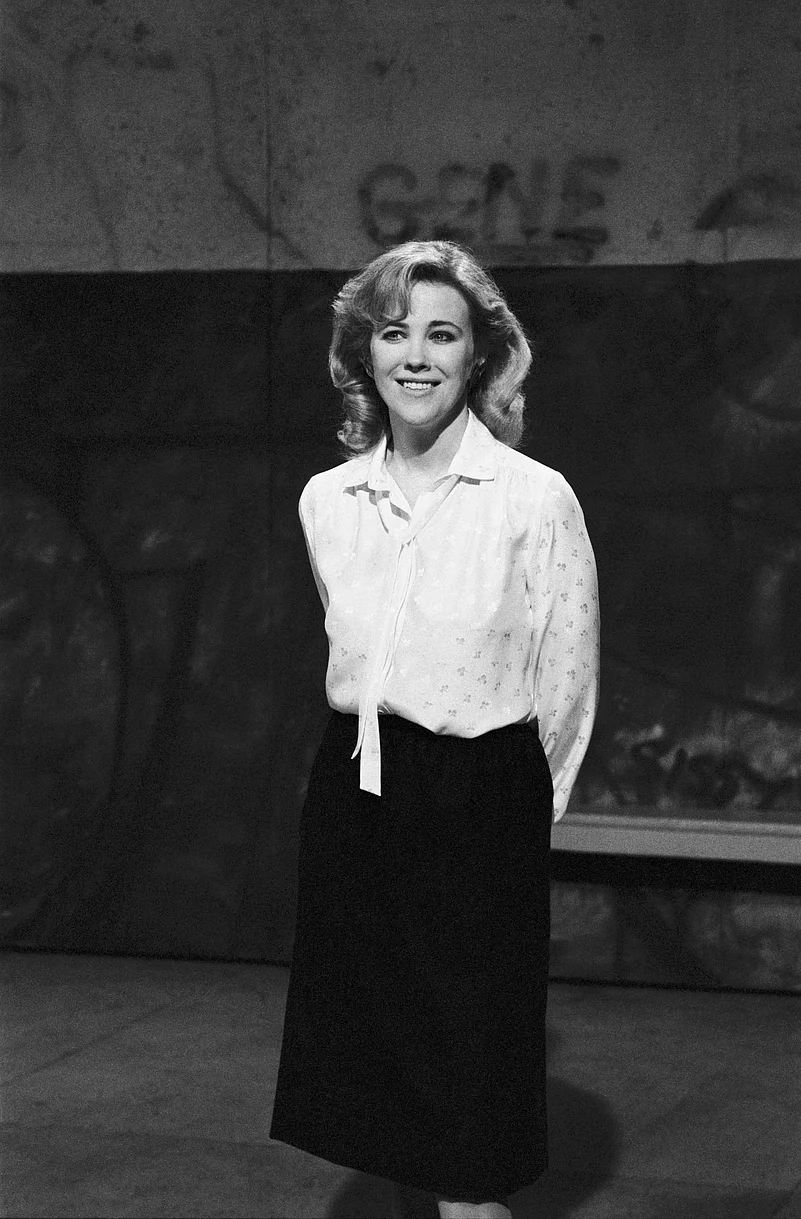
She is where modern meme language found its perfect match. O’Hara embodied being “Mother” as a whole vibe. In an industry obsessed with youth, she aged loudly and demanded attention without apology. She modelled a version of womanhood that treated ambition as second skin—something that propels and nourishes, not shrinks the soul.
Being a 90s kid meant I had my first introduction to the inimitable O’Hara through Home Alone (1990). The third wave of feminism that was sweeping through and carrying forward the zeitgeist at that time rejected rigid notions of motherhood. Propelled by media and cultural norms, motherhood was supposed to be synonymous with self-erasure. Mothers were expected to be submissive and all-sacrificing—the perfect superwomen. But then there was this radical shift in thought that declared that mothers too were human, they too made mistakes and that did not take away from their personhood, nor did it stain their maternal spirit. Women, in short, were creating a space in the public consciousness that underlined the fact that they didn’t need to perform harakiri to become a mother.




At a time like this, O’Hara captured our collective imagination playing Kate McCallister in Home Alone, where the McCallisters famously waltzed away to Paris on holiday leaving behind their youngest, Kevin (Macaulay Culkin), alone at home in a Chicago suburb. The inherent warmth and earnestness in O’Hara’s demeanour made it easy to love her as Kate raced back to Kevin during peak holiday season, when finding last minute transportation was nothing short of a nightmare. As much as our hearts went out to the intrepid Kevin, fighting off imaginary basement demons as well as very real thugs attempting a catastrophic home invasion, it was hard not to root for Kate as well to make it back to Kevin in time for Christmas.
Afterwards, O’Hara could have easily become typecast as the doting mother who made occasional errors that led to shenanigans. But she chose a path less conventional and embraced the zany, the kooky, the slightly unhinged but (mostly) kind archetype of motherhood instead through her works that included Delia Deetz in Beetlejuice (1988) and Beetlejuice Beetlejuice (2024), Moira Rose in Schitt’s Creek (2015–2020), Beatrice Lever in Home Fries (1998), Pearline in 30 Rock (2006-2013), and well, as the promiscuous dog mom Cookie Fleck in Best In Show (2000).

O’Hara also brought her comic genius and sparkle to characters where motherhood played no role, like her turn as Hollywood studio executive Patty Leigh in the satirical series The Studio (2025). O’Hara played Patty as someone who understood power, thrived on chaos and enjoyed being the reigning queen of it all.
Moira Rose, a spiritual successor to Delia Deetz, became one of her most fully realised and endearing roles. If Delia felt avant garde in her gothic theatricality, Moira reached baroque heights with it. Her vowels were dipped in old money pretension and her many wigs became their own characters in a waggish manner. Both Delia’s and Moira’s parenting thrived on encouragement rather than martyrdom. Moira trusted her children, Alexis (Annie Murphy) and David (Dan Levy), to make and to recover from their own mistakes and find their own footing while she pursued her own reinvention.
During the run of Schitt’s Creek, O’Hara spoke about a particular scene that moved her so profoundly she struggled to perform it. It was watching Patrick (Noah Reid) serenade her reel-life son David with “Simply The Best.” She told OUT Mag that she cried every single time she watched that moment because it was “so beautiful to see that kind of open love.” What struck O’Hara most was seeing David loved so wholly by Patrick, seeing queerness not used as a plot device or issue, but as an everyday, ordinary expression of affection and partnership. O’Hara wished that this representation—love uncomplicated by stigma or tragedy—was something more shows would embrace.
Her collaborations with Eugene Levy—who played her husband Johnny Rose in Schitt’s Creek—in her early career laid the emotional groundwork that would later define so much of her work. Together, they specialised in playing couples who loved each other deeply while remaining fundamentally mismatched. Their chemistry thrived on tension rather than harmony. This sensibility carried through to Christopher Guest’s mockumentary-style movies, where O’Hara perfected the art of playing women who believed fervently in their own taste. For Cookie Fleck in Best in Show, her marriage worked because it accommodated her desire rather than punishing it.
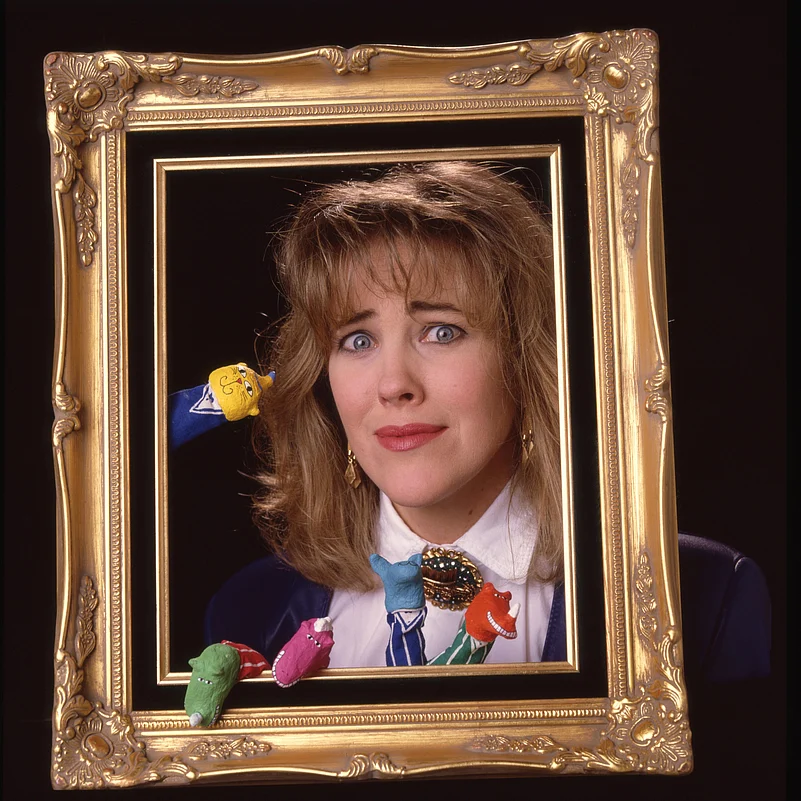
However, if you dip back into her filmography, you will discover a whole treasure trove of rarely spoken or celebrated gems. It really all began with SCTV. In the early ’80s, sketch comedy still operated like a boys’ club, where punchlines mostly landed on women or other minorities, O’Hara quietly bent the form around herself. On SCTV, she played women who felt startlingly specific rather than broadly funny, from delusional divas to earnest ingénues who believed far too deeply in their own mediocrity. She treated every ridiculous woman as a serious proposition. That sincerity became her superpower.
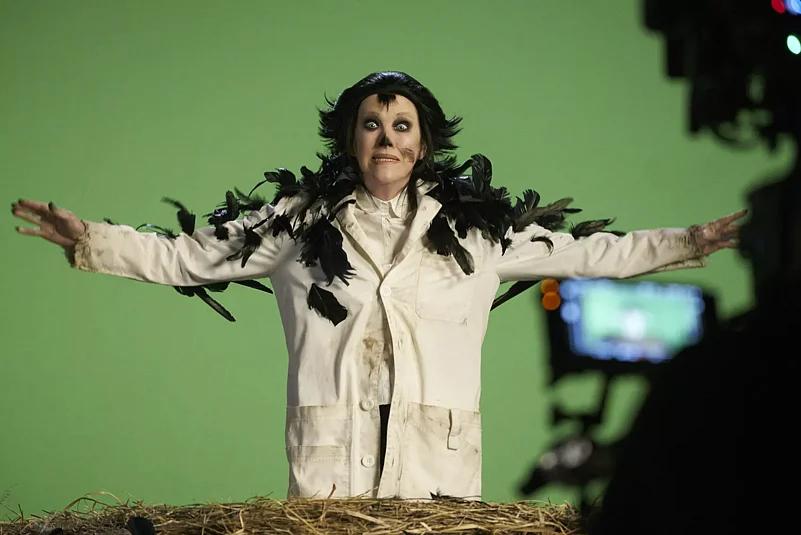
O’Hara was and will continue to be loved because she played women who carried history in their posture, enjoyed power and moved through the world with a sense of entitlement rarely portrayed by female performers from her time. Her body of work reads like a guidebook on how to live without shrinking. O’Hara may be gone, but she leaves behind characters who make taking up space look like art and for that, we will be forever grateful. Here’s hoping she is somewhere out there making the sequel to The Crows Have Eyes 3: The Crowening, this time somewhere sunnier than Bosnia. Chin-chin to the “12-time Daytime Emmy award-attending actress!”