Stars slam ICE at the Grammys 2026 through speeches, pins, and symbolic protest on stage and the red carpet.
Celebrities protest ICE as Bad Bunny, Billie Eilish, Kehlani, and Olivia Dean speak out against US immigration policies.
The Grammys ICE protest signals a wider shift in Hollywood, where neutrality is increasingly rejected in favour of public political statements.
When the Grammys Became a Protest Stage
Awards shows have always flirted with politics, but this year's Grammys felt different. There was no polite distancing, no coded language. Artists spoke plainly, emotionally, and sometimes angrily about ICE and US immigration policies. The Grammys ICE protest unfolded across acceptance speeches, wardrobe choices, and gestures that together formed a loud collective stance.
What stood out was not just what was said, but how many artists chose to say something. This was not a lone protest moment. It was a pattern.
1. Bad Bunny: "ICE Out" Before Anything Else
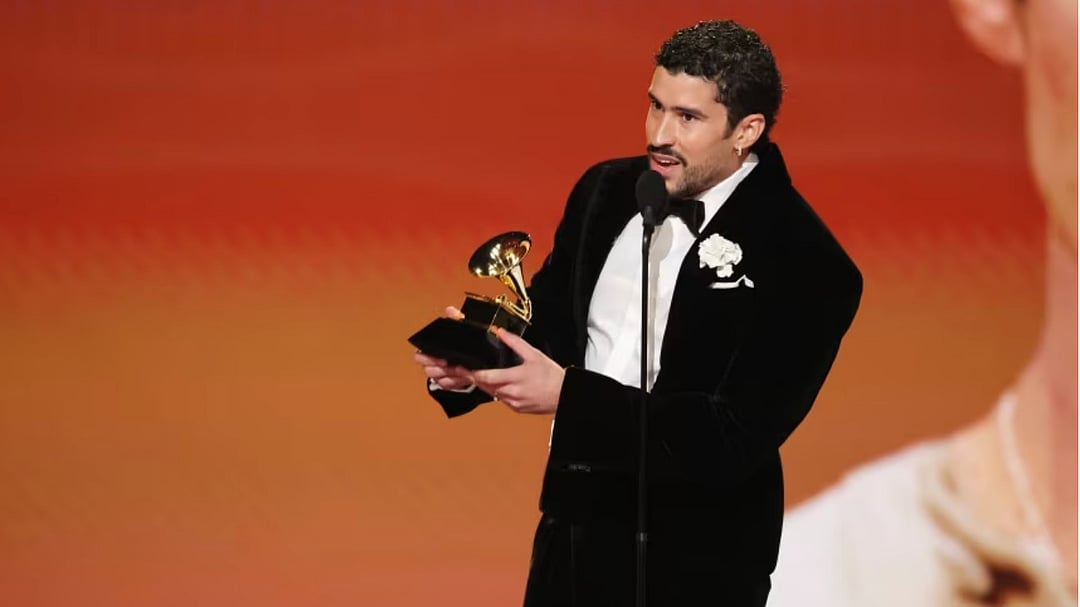

Bad Bunny did not wait to ease into his message. Before thanking God, his team, or the academy, he opened his speech with two words: “ICE out.”
The Puerto Rican artist, who won Best Música Urbana Album and later Album of the Year, used his moment to directly challenge how immigrants are portrayed. He rejected the language of dehumanisation, saying immigrants are not animals, savages, or aliens, but humans and Americans.
What made his speech land harder was its tone. Instead of rage, he spoke about love. He acknowledged how easy it is to absorb hate and warned that responding with more hate only strengthens it. His insistence that love is the only real resistance earned him a standing ovation and became one of the night's most replayed moments.
By dedicating his win to those who left their homelands to follow their dreams, Bad Bunny framed immigration not as a policy issue, but a human one.
2. Billie Eilish: No Softening the Message
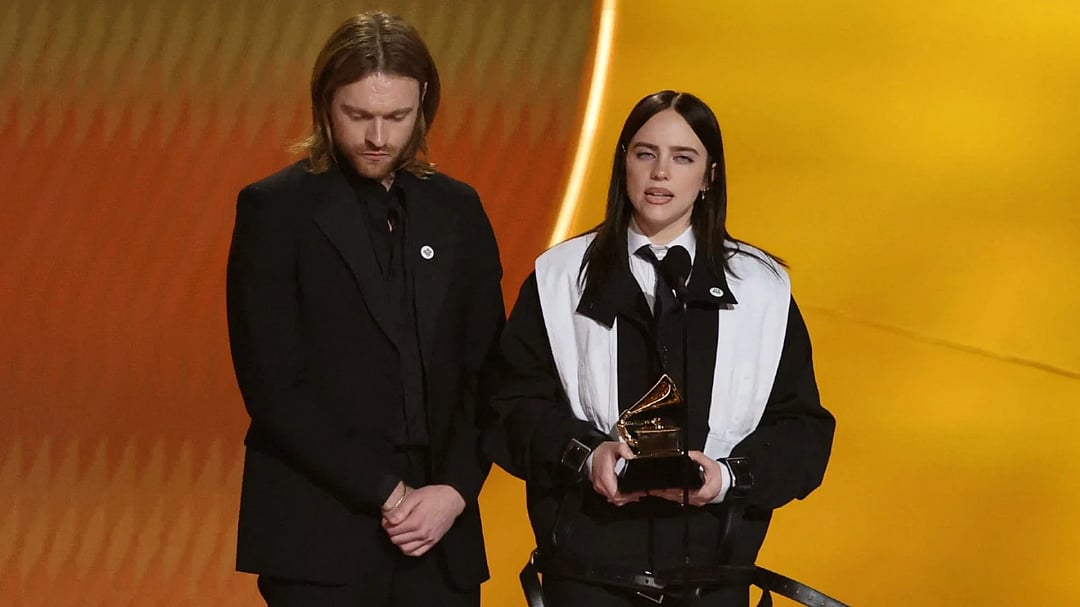
When Billie Eilish accepted Song of the Year for “Wildflower”, the room already knew she was unlikely to play it safe. Standing beside her brother Finneas, both wearing “ICE Out” pins, Eilish spoke with visible frustration and clarity.
Her words were blunt. "No one is illegal on stolen land," she said, before urging people to keep fighting, speaking up and protesting. She acknowledged the uncertainty of the moment but refused to be silent. Her message was simple: voices matter, people matter.
Eilish did not dress her protest up as gratitude. It was raw, unresolved and deeply political. In a ceremony often criticised for safe statements, hers felt intentionally uncomfortable.

3. Olivia Dean: Protest Through Personal History
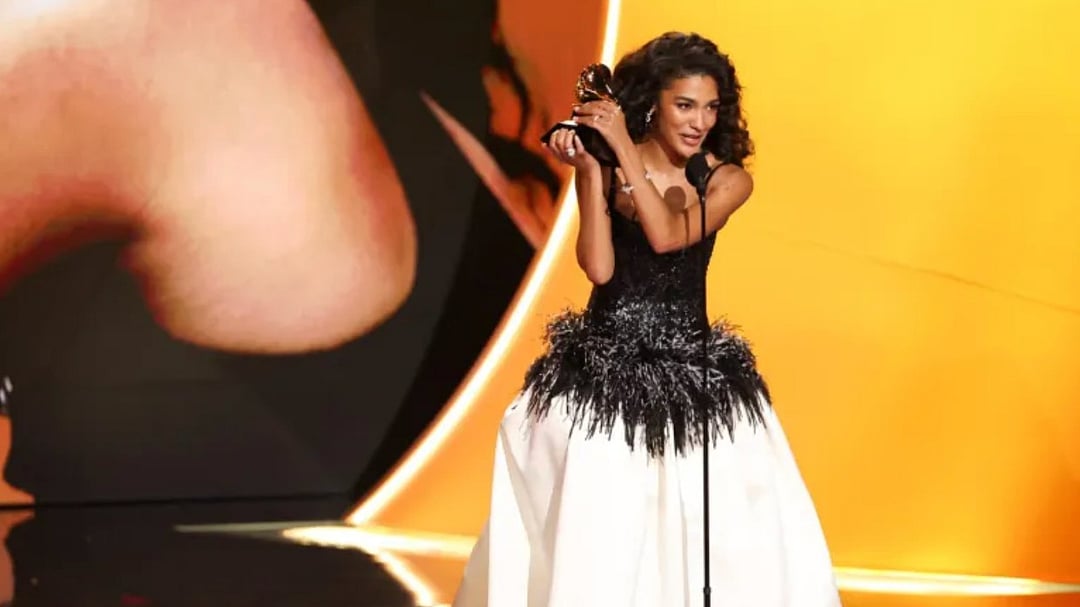
Olivia Dean's Best New Artist win came with tears and a quieter, deeply personal protest. Rather than attacking policy directly, she spoke about lineage. Dean told the audience she stood there as the granddaughter of an immigrant and described herself as "a product of bravery."
Her speech reframed the Grammys ICE protest through gratitude. Immigration, in her telling, was not an abstract debate but the reason she existed on that stage. By insisting that immigrants deserve celebration, not suspicion, Dean reminded the room that many success stories begin with displacement and courage.
The power of her words came from their restraint. No slogans. No anger. Just truth.
4. Kehlani: Anger Without Apology
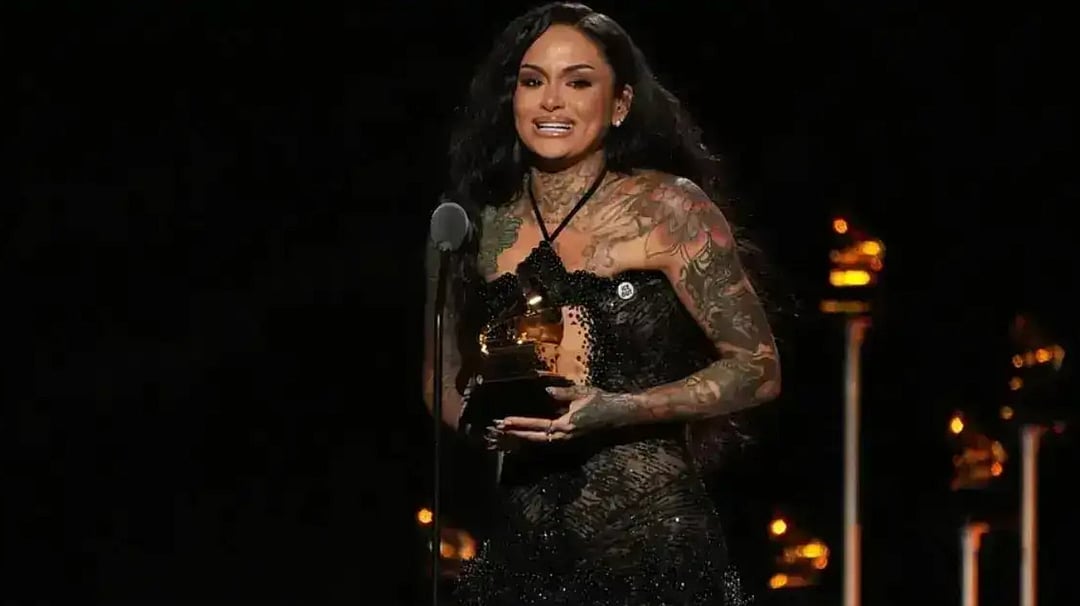
Kehlani's acceptance speech for Best R&B Performance was one of the most openly confrontational of the night. She did not dilute her language or hedge her position. After thanking collaborators, she called on artists to stand together against injustice and ended her speech with an unfiltered "f**k ICE."
Kehlani had already made her stance clear on the red carpet, but onstage she turned that visibility into a demand. Her speech rejected the idea that musicians should stay neutral, reinforcing the idea that silence itself is a choice.
5. The Pins That Spoke Loudly
Not every protest at the Grammys came through a microphone. For many artists, the statement was stitched, pinned and worn in plain sight.
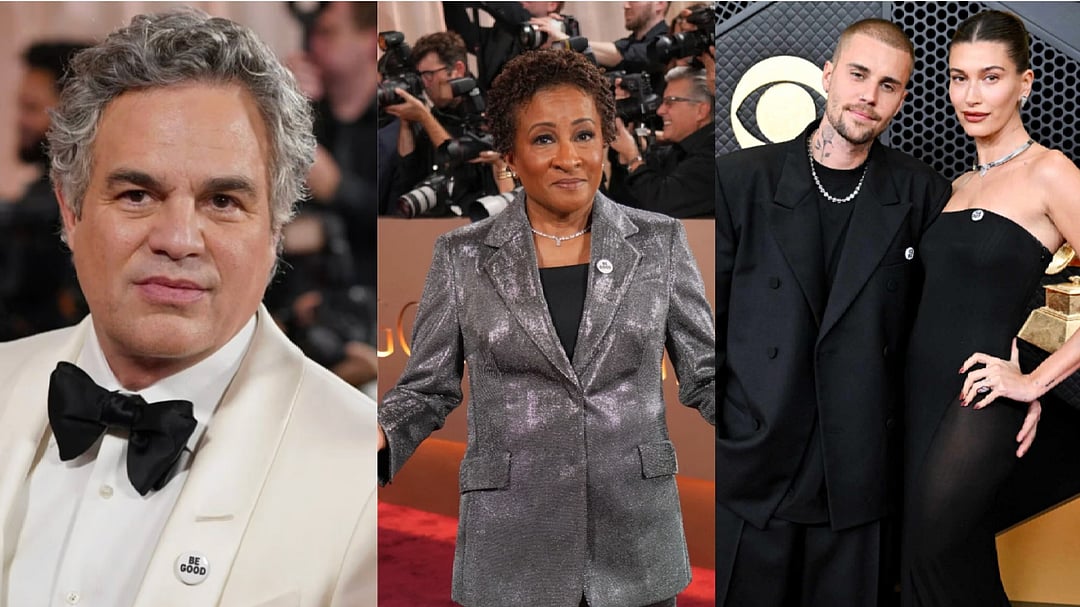
Across the red carpet and inside the arena, a striking number of musicians and creators wore “ICE OUT" pins, turning the Grammys red carpet protest into a visual act of solidarity. Among them were Justin Bieber and Hailey Bieber, who chose to quietly align themselves with the message rather than amplify it verbally. Billie Eilish and Finneas wore the pins both on the carpet and on stage, reinforcing that their words were backed by intent.
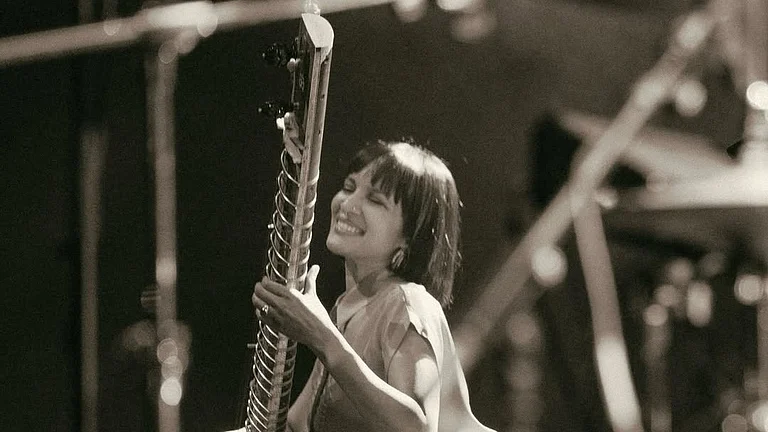
Veteran artists were equally present. Joni Mitchell, attending the ceremony as both a legend and a political voice, wore the pin without explanation, letting its meaning stand on its own. Songwriters and musicians, including Amy Allen, Jason Isbell, Margo Price, Rhiannon Giddens, Samara Joy and Jim-E Stack were also seen wearing the pins, signalling that the protest cut across genres and generations.
Several theatre and performance artists, including Helen J. Shen, Jordan Tyson, Kevin Csolak, Wanda Sykes, Meg Pickarski, Paul Melnikow and Mark Ruffalo, joined the visual protest, underscoring how widely the sentiment had travelled within the creative community.
There were also gestures that went beyond pins. Justin Vernon of Bon Iver wore a whistle instead, explaining that it was a tribute to legal observers documenting ICE activity on the ground in Minneapolis. It was a subtle but pointed reminder that real lives, not slogans, sat at the heart of the protest.
Together, these choices transformed the red carpet from a branding exercise into a collective political canvas. In an industry where silence often passes as neutrality, the pins made refusal visible. No speeches required.
Why This Moment Matters
What happened at the Grammys wasn't just a burst of political emotion. It felt like a release. After years of carefully worded statements and strategic silence, artists stopped trying to sound neutral. They chose clarity instead.
The Grammys ICE protest stood out for its scale and timing. This wasn't one artist going off-script. It was many voices, across genres and generations, giving the same message in different ways. Some spoke softly through personal history. Others were blunt, angry, and unfiltered. Some said nothing at all, letting a pin or a whistle do the work. Together, those gestures formed a pattern that was hard to dismiss.
Celebrity activism is often criticised as performative, and sometimes that criticism is earned. But performance usually relies on isolation. This moment didn't. The repetition of the message across speeches, symbols and platforms suggested intent, not impulse. These artists were not reacting individually. They were responding collectively, using one of the biggest cultural stages available to them.
Awards shows don't rewrite laws. But they do shape narratives. And this year, the narrative was unmistakable: immigration is not a side issue, silence is no longer comfortable, and neutrality is starting to feel like a choice artists are unwilling to make.
Culturally, that shift matters. It tells you where the industry's conscience is leaning, and how loudly it's willing to speak when the cameras are on.