



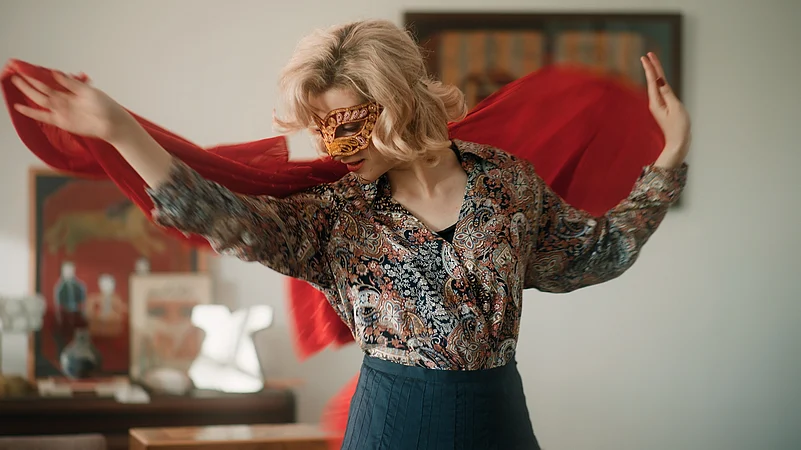
Maryam Ataei and Hossein Keshavarz's The Friend's House Is Here premiered at the Sundance Film Festival 2026.
It upholds and celebrates the collective spirit of resilience in repressive times.
It paves hope and creative daring as the path through crisis.
Premiering in the U.S. Dramatic Competition at Sundance, Maryam Ataei and Hossein Keshavarz’s new film The Friend’s House Is Here is a delightful, transporting glimpse into sisterhood and underground solidarities in Iran. The missive is emphatically clear—no matter the scope of repression, resistance will always spring forth, with merriment and a great measure of life-force. Grim situations hover, or their likelihood. Nevertheless, characters stick with the brighter side, resourceful and sure to weather the worst odds. Richly earning its eponymous play on the Abbas Kiarostami classic, The Friend’s House Is Here understands how utterly wild and irrational hope can be, vesting it with the power to challenge, rewrite and redraw. Shot in secret and smuggled out of Iran on a hard drive, the film marries an unexpectedly gentle tone with an unerring emphasis on gracefully working through the cruellest of times
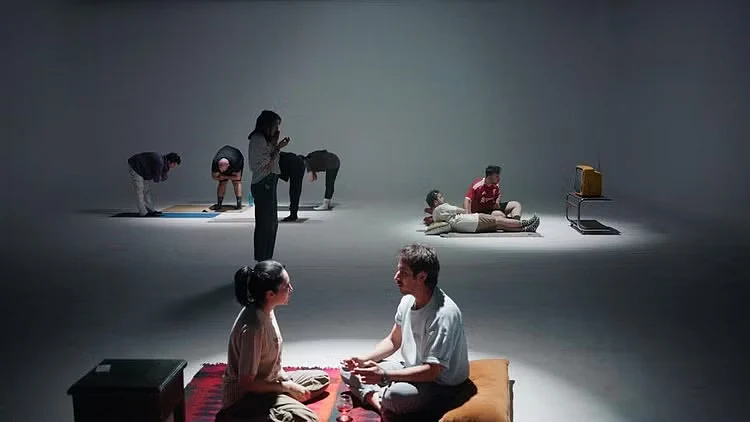
In the film, life and art intersect, each brutally echoing the other. Pari’s (Mahshad Bahram) underground theatre performances are a harbinger of her eventual crisis. A chunk of her play stages anxieties and fears around Hanna. She dreads the regime might soon pick up her free-spirited close friend and roommate Hanna (an ebullient, radiant Hana Mana), who dances uninhibited around Iran’s historic landmarks and monuments, and detain her. When Hanna watches the performance, she’s surprised at the concern. It’s as if she can’t fathom the threat posed. Hanna moves breezily through the world, enviably immune to backlash. The two take it on the chin, be it a woman on the street chiding them for not wearing a hijab. Rather, they laugh it off briskly. It’s from Hanna herself that Pari might have imbibed some modicum of insouciance. Nevertheless, both see unruliness deeply embedded in their respective art. There are consequences. As cautionary Pari’s theatre-impetus is, it’s still a scalding shock when functionaries do slink in.





Though the leads chart different paths, neither can live without that singular spark of transgression—the keening desire to express and craft something. Hanna knows she must go abroad to France. She already has the visa. Departure is now few weeks away. She complains to Pari why she doesn’t hold her back, when everyone else is. There’s a near-childlike entreaty in Hanna’s wish for Pari, but the latter recognises it’s imperative Hanna do what she seeks without retracing her steps. With formal panache and clever circumvention, Ataei and Keshavarz chip away at the boundaries between the real and artistic projections. The latter indicates the shape of things to come. Bahram plumbs harrowing depths as her Pari frets and gets wound up over her friend not responding to her calls.
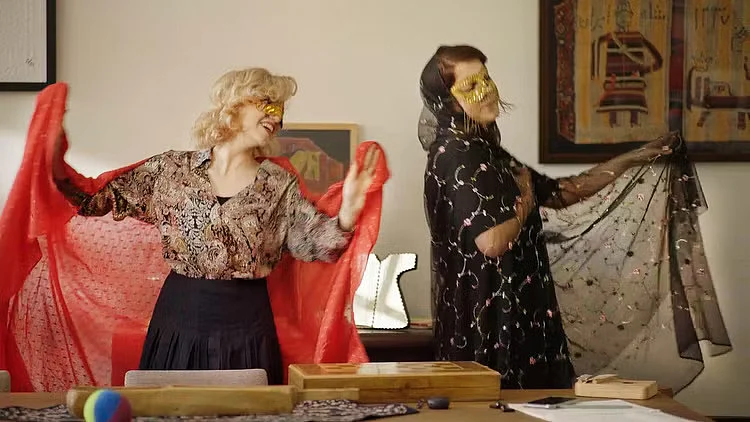
Crucially, The Friend’s House Is Here builds a sacred space of happiness and connection—one where chasms and prohibitions cannot dictate and override either imagination or experience. These bonds are too unshakeable, knocking down the prejudice of the old, the internalised and authoritarian nightmare. It’s about optimism, fresh creativity and reconstruction in a regime bent on sucking dry life and joy. The film forges these exquisite, lively bridges between womanhood, laughter and generous defiance. Bahram and Mana are absolutely wonderful. Just to be in their company, watching them tease, banter, bicker and comfort each other, is as enthralling as utterly disarming. It’s not just about the two roommates being allied, but a larger group of artists that sustain and watch out for each other. In hard-pressed times, where tension and uncertainty jabs through every move, the film establishes the magnanimity of people. Instead of being reduced to mean, petty squabbles, resentments and envy over scraps, the troubled band together, pulling out all the stops. When something terrible befalls someone, a friend swoops in, another calls off their long-planned journey.
These everyday rebels show up for each other, hauling themselves collectively out of the pits. As long as they have one another, friendship wields the ultimate resistance, a blazing dissident path. It’s a warm kinship cutting across work sectors, though here art is mostly the driving engine. The film underlines this as the only hope for a freer future, where official intimidation wouldn’t trail every choice, decision and circumstance. Ali Ehsani’s camera trails Hanna and Pari with the reliable, loving intimacy of a dear friend. Faces might change, people shuttle places, but the spirit is passed on. Ataei and Keshavarz have made such an affectionate, wise and reaffirming film about the most dismal situations, it’s impossible not to cheer.
Debanjan Dhar is covering the 2026 Sundance Film Festival as part of the accredited press.














