Glasgow 2026 begins on July 23 with a streamlined 10-sport program amid growing questions over the Commonwealth Games' future
Supporters praise the sustainable, inclusive model, while critics see it as a sign of the event's declining relevance
India faces a changed medal outlook after key sports were dropped, even as it prepares to host the 2030 Commonwealth Games
The 2026 Commonwealth Games in Glasgow, Scotland, are officially set to begin on July 23, 2026, launching an 11-day multi-sport event that has already sparked a global debate over its long-term survival
The 23rd edition of the Games arrives at a critical crossroads.
After the original host, Victoria (Australia), abruptly withdrew citing soaring costs, Glasgow stepped in with a heavily streamlined, budget-conscious model featuring only 10 sports -- the lowest number offered since 1994.
The official Glasgow 2026 sports program features:
1. 3x3 Basketball (+3x3 Wheelchair Basketball); 2. Artistic Gymnastics; 3. Athletics (+Para athletics). 4. Bowls (+Para bowls); 5. Boxing; 6. Cycling (track and para); 7. Judo; 8. Netball; 9. Swimming (+Para swimming); 10. Weightlifting (+ Para powerlifting)
As more than 3,000 athletes from 74 nations and territories prepare to compete, the event finds itself at the centre of a fierce global debate regarding its modern-day relevance.
Glasgow 2026: A Blueprint For Sustainability And Inclusivity?
Proponents argue that these Games remain an essential fixture in the international sporting calendar, serving as a special event that even the Olympics cannot replicate.


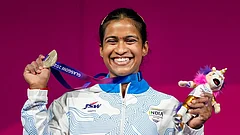
It stands alone as a global pioneer in inclusivity by fully integrating medaled para-sports disciplines directly into the main competition schedule rather than hosting a separate event. This gives para-athletes equal billing and visibility on a global stage.
Furthermore, Glasgow is executing a modern blueprint for financial sustainability. By downsizing the sports program and utilising repurposed, existing venues within an eight-mile corridor, the city is proving that mega-events can be hosted responsibly without drowning local municipalities in public debt.
Often promoted as the "Friendly Games," the atmosphere offers an invaluable high-pressure environment for emerging athletes to develop before stepping onto the Olympic stage. It also provides a vital global broadcasting platform for sports like netball and lawn bowls, which are often sidelined in other multi-sport events.
Commonwealth Games: A Format Struggling For Identity And Prestige?
Conversely, critics suggest that the severe operational restructuring required to save the 2026 edition is clear evidence of a dying format struggling to justify its existence.
The fact that the Games had to be dramatically rescued and stripped of core sports like badminton, hockey, shooting, wrestling, and cricket -- a massively popular sport across Commonwealth countries -- signals a steep decline in prestige.
Consequently, many top-tier athletes are opting to skip the event entirely to manage heavy workloads or focus on sport-specific World Championships, leaving the competition fields significantly watered down.
Geopolitically, the event faces a profound identity crisis.
As member states continue to distance themselves from their colonial histories, critics argue that an event intrinsically tied to the legacy of the British Empire feels archaic and out of touch with modern global dynamics.
This disconnect is compounded by the historical reality of the competition itself, where medal tables are regularly dominated by a few wealthy superpowers such as Australia, Great Britain, and Canada.
Furthermore, the Games face an uphill battle to capture the attention of younger demographics as corporate sponsors and broadcast networks aggressively shift their prime-time budgets toward digital entertainment and athlete-led media channels.
Commonwealth Games And India's Sporting Ambitions
For India, this stripped-down format represents a severe setback that fundamentally alters the country's outlook on the event. The Commonwealth Games have historically been a premier arena where the world's most populous nation consistently secured massive medal hauls.
However, the exclusion of shooting, wrestling, archery, and hockey removes the very sports that formed the bedrock of India's past successes.
While administrators view Glasgow as a test of India's versatility in secondary disciplines, viz athletics and weightlifting, analysts are questioning whether the country should continue investing heavy resources into a tournament that no longer aligns with its core sporting strengths.
Yet, this competitive setback has not slowed India's momentum toward becoming a global sporting superpower.
Even as Indian administrators push through the disappointment of the 2026 program cuts, the sports ministry is actively leveraging its expanding infrastructure to mount aggressive bids to bring the 2036 Olympic Games to Indian soil. In fact, the country has already won the rights to host the next Commonwealth Games in four years.
When the opening ceremony begins on July 23, Glasgow will not just be hosting a sporting event -- it will present the world a live test case: whether the Commonwealth Games can successfully adapt to the modern era, or if this event is running on borrowed time.