The 2026 FIFA World Cup expands to 48 teams, featuring 104 matches across North America
Top contenders including Spain, France, Brazil, and Argentina compete for global supremacy
New nations debut amid the logistical and environmental hurdles of a mid-summer tournament
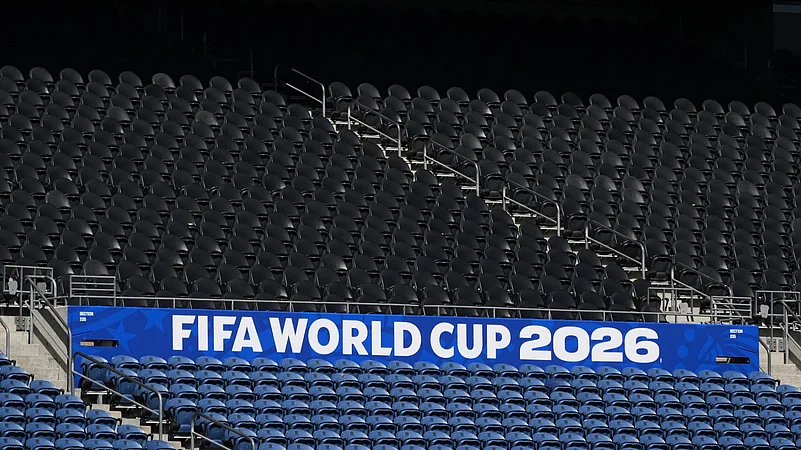
The stage is set for the largest sporting event in history. From June 11 to July 19, 2026, the FIFA World Cup will make history as it expands to 48 teams, jointly hosted by the United States, Canada, and Mexico. This North American spectacle promises to be a landmark tournament, redefining the scale and reach of the world’s most popular game.
For the first time, the tournament features 48 nations—a significant increase from the traditional 32. These teams are divided into 12 groups of four. The top two teams from each group, along with the eight best third-placed teams, will advance to a new Round of 32 knockout phase. In total, fans can look forward to 104 matches played across 39 days, spanning 16 iconic host cities across the three host nations
The defending champions Argentina are embarking on an ambitious bid for back-to-back titles, anchored by the legendary Lionel Messi, who is set to make an unprecedented sixth World Cup appearance. Despite concerns regarding his fitness and muscle fatigue, Messi’s inclusion in Lionel Scaloni's squad reinforces Argentina’s status as a powerhouse capable of maintaining the tactical dominance they displayed during their 2022 triumph.
The UEFA Euro 2024 champions Spain enter the tournament as narrow favorites, boasting a deep and technically gifted squad under coach Luis de la Fuente. With rising superstar Lamine Yamal leading an attack complemented by experienced core players like Rodri and Pedri, La Roja is expected to maintain the high-possession, fluid style of play that brought them continental success.


Last edition's runner-up Les Bleus arrive in North America with perhaps the most frightening attacking depth in international football, headlined by the world-class talent of Kylian Mbappé. Despite recent debates surrounding leadership and defensive stability, France remains a top contender, looking to leverage their immense individual firepower to add to the World Cup titles they secured in 1998 and 2018
Under coach Thomas Tuchel, England are aiming to secure their first World Cup trophy since 1966 with a squad that emphasizes chemistry and tactical trust. Although missing a few established veterans due to injury or selection choices, England relies on the clinical finishing of captain Harry Kane and the creative spark of young talents like Jude Bellingham to navigate what they hope will be a historic summer.
Brazil is firmly focused on ending a 24-year title drought, with manager Carlo Ancelotti—the team’s first-ever foreign head coach—implementing a more disciplined 4-3-3 tactical framework. Led by premier forward Vinícius Júnior and featuring strategic cameos from veteran Neymar, Brazil is eager to prove that their blend of disciplined structure and traditional flair can finally earn them a sixth star.
Four-time champions Germany enter the 2026 tournament having opted for a blend of seasoned veterans and emerging talent, highlighted by the surprising return of goalkeeper Manuel Neuer. Under coach Julian Nagelsmann, the squad is built around influential leaders like captain Joshua Kimmich and Florian Wirtz, with the team aiming to rejuvenate their legacy by proving their tactical adaptability on the global stage
The expanded format has opened doors for several nations to make their mark on the global stage. Nations including Cape Verde, Curaçao, Jordan, and Uzbekistan are set to make their historic World Cup debuts, marking a momentous milestone for their football programs.
The tournament also serves as a homecoming for teams returning after long absences. Scotland makes its long-awaited return for the first time since 1998, a victory for their Tartan Army supporters. Iraq is also back on the world stage for the first time since 1986.
After decades of waiting, the Democratic Republic of the Congo and Haiti are making their first appearances since 1974. Furthermore, the tournament serves as a long-awaited homecoming for Austria, Norway, all of whom return after 28-year gaps, alongside Turkey, which makes its first appearance in 24 years, significantly diversifying the competitive landscape of this expanded global spectacle.
Hosting across three countries brings unique logistical and environmental challenges. While fans will enjoy diverse cultures and historic venues—from Mexico’s legendary Estadio Azteca to the massive MetLife Stadium in New Jersey—teams must contend with significant travel across time zones and climates.
Perhaps the most formidable opponent for many players will be the weather. Extreme summer heat in venues across Texas, Florida, and California poses a real threat to player safety and performance. Reports from the 2025 FIFA Club World Cup, held in similar conditions, highlighted the stifling atmosphere, with players describing the heat as dangerous.
As match intensity remains high, effective hydration, evening kick-offs, and athlete recovery strategies will be crucial to success in this grueling mid-summer marathon.
FIFA World Cup 2026: Live Streaming Details
Who has taken the broadcasting rights of FIFA World Cup 2026 in India?
Zee Entertainment Enterprises has secured the broadcasting and streaming rights for the FIFA World Cup 2026 in India.
Where to watch FIFA World Cup 2026 live telecast in India?
In India, fans can watch the live telecast of the 2026 FIFA World Cup on the Unite8 Sports television channels.
Where to watch FIFA World Cup 2026 live streaming in India?
The 2026 FIFA World Cup will be available for live streaming in India exclusively on the Zee5 digital platform.