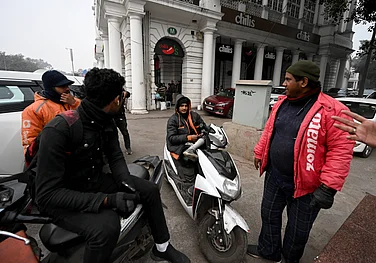

In the world as I perceive it, there are two kinds of people: one set has the car mindset, the other the public transport attitude. I belong to the second category. Yes, there’s freedom indeed in driving around or being driven around a city at all hours. But truly cultured and civilised cities make it possible for anyone to go about uptown and downtown safely and effortlessly by day or by night whether she has a car or not.
Traditionally, Delhi has been mingy in offering that comfort. You could travel to work on a DTC Route No. 610 bus, sometimes hanging by little more than a toehold on the footboard. Or take the packed No. 220 to North Campus from Central Secretariat if you missed the morning U-Special. But what if you wanted to watch a play at Mandi House in the evening? Autos and taxis were few and far between, buses didn’t ply late in the night and were most often full of suspicious characters at the witching hour. Now, the Metro appears to have taken Delhi many notches higher in ease of commute than it was just a few years ago. But the Metro does not operate beyond 11 pm. And what about last-mile connectivity? That significant ride from the Metro station to home is still a question mark. Ever wondered how to head back from Connaught Place to Noida, Gurgaon, Ghaziabad or Faridabad late at night, what with autos and cabs not being allowed to cross state borders despite those suburbs being part of the monolith called the National Capital Region (NCR)? Delhi is still far from being a Mumbai, where you can hail a cab or auto at 2 am without a care (though we are told things are changing for the worse in Maximum City).
In such a scenario, radio cabs came as a boon. I no longer had to plan my outings down to the rebarbative details of how to get home. I no longer had to depend on friends to take long detours to drop me. I could stay for an impromptu dinner with fellow film critics after a screening. I could attend a late night party at a friend’s in Gurgaon and not have to sleep over. A price war between radio cab services eased the fare as low as Rs 12-14 per km, unshackling us from the oligopoly of Easy, Mega and Meru Cabs, which were charging some Rs 10 more per k. All at once, I had a system in place: two reliable neighbourhood cabbies, TaxiForSure and Ola. With them on call, I could boldly go wherever, whenever.


Uber added to the cab catalogue. I signed on, took one comfortable ride with a driver who told me he was taking music lessons between ferrying passengers. I sent Rs 300 discount vouchers over e-mail to friends for their first Uber journey. We celebrated it in Facebook posts: how great it was to travel conveniently now, how Delhi was finally becoming a Mumbai, a London, a Singapore!
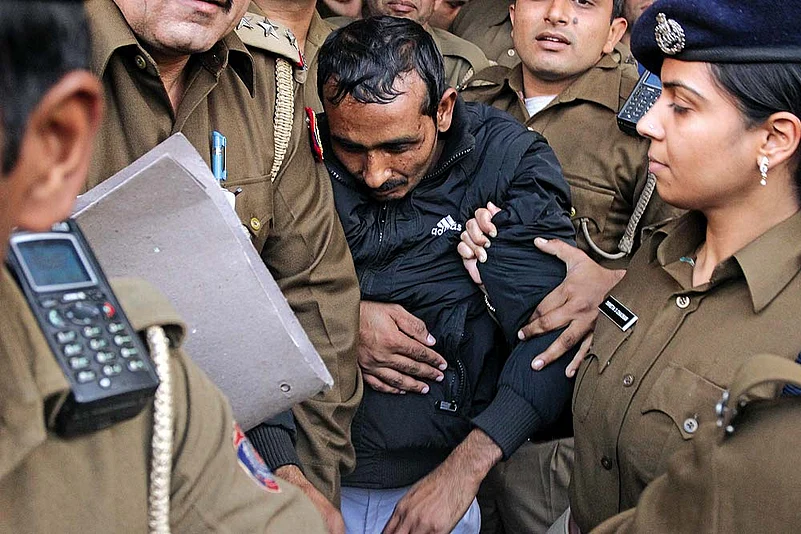
But before any of my friends could avail themselves of the discount coupons came the Uber betrayal, and with it, the awareness that even a premium service may not be above board in verifying its drivers’ antecedents and having a security mechanism in place; the realisation that behind the sheen of an online service with international operations, the cab sent to pick you up could be as risky as a ride offered by a stranger.
Beyond the horrifying incident and the confusing din of taxi operators versus taxi aggregators, it essentially boils down to a few basic things: Uber should be taken to task for serious security lapses, including lack of verification of the driver and not following up enough on an earlier complaint against the driver who has been accused of rape. The government should plug loopholes in the system that allow cab and auto services to operate with zero responsibility. At the same time, it should go beyond the knee-jerk reaction of banning all internet-based cab-booking services. What we need is not just safer public transport—but also more of it, in numbers and in a wide choice of modes and prices. The way forward is to increase, and not curtail, the few options we now have—with, of course, strict enforcement of safety regulations. Freedom should march with safety. One need not be out of step with the other.