Members from the Buddhist community have voiced concerns that the political dominance of the Muslims will only increase, citing conversions of Buddhists
Authorities in Leh contend SIR in the UT would be no different from the rest of the parts of the country
Community leaders denounce giving it a communal colour
A Special Intensive Revision (SIR) exercise to update electoral rolls in Ladakh, which is currently underway, has, however, raised fears about inclusion of non-locals in the voter list, with some members from the Buddhist community also voicing concerns that this would strengthen the political domination of Muslims.
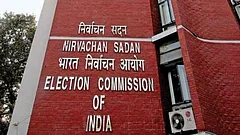
The update of electoral rolls through a door-to-door survey would be carried out in Ladakh for the first time after it became a Union Territory (UT) on August 5, 2019, following the revocation of Article 370 and its separation from the Jammu and Kashmir UT. The SIR in the UT comes after the Election Commission of India (ECI) earlier announced a similar intensive revision exercise in some states in other parts of the country.
Authorities have sought that the manual updating of electoral rolls by tallying it with the previous voter lists be carried out at the earliest, to be followed by the door-to-door surveys.
The ECI has issued a list of several documents, which includes Aadhaar as well as other government-issued identity cards on whose basis people can register their names in the voter list. Authorities in Leh say that the SIR in the UT would be no different from the rest of the parts of the country.
Chief Electoral Officer Ladakh, Rahul Sharma, says that the SIR exercise that involves door-to-door visits will be carried out in accordance with ECI guidelines. “The prescribed documents issued by the ECI will form the basis of SIR. The eligibility for becoming a voter in Ladakh is the same as it exists elsewhere, which is what has been prescribed in the Constitution and the Representation of the People Act. Any Indian citizen can become eligible to be a voter,” says Sharma.


An election official in Ladakh says that it is the first time in the UT that the intensive revision is being carried out through door-to-door visits. “Earlier, we would rely on the electoral rolls, which were updated when the Ladakh region was part of the Jammu and Kashmir state,” adds the official.
The SIR exercise has, however, raised concerns about the inclusion of non-locals in the electoral list. Buddhist groups have expressed fears that the exercise will ensure that the dominance of the Muslims in the politics of the region will only get strengthened.
Member of Parliament from Ladakh, Haji Haneefa, says domicile certificates should form the basis for inclusion of people in the voter list. He insists that they would resist any attempts to include non-locals in the electoral rolls.
“As of now, there is no assembly in Ladakh, and we are seeking that it should have one. Apart from the parliamentary elections held in Ladakh, the polls earlier for the Ladakh Autonomous Hill Development Council were held for developmental purposes and had only locals as voters. Our fight is focused on the fact that the locals will be reduced to a minority once jobs and land is opened for the non-locals, and that is why we are seeking constitutional guarantees and protections for the same. Inclusion of non-locals in the electoral rules will be unacceptable to us,” he says.
Buddhists in Ladakh have, however, expressed concern that since the population growth rate among Muslims was higher, their dominance in the region will only increase after the SIR.
Skarma Namtak, Convenor of Voice of Buddhist Ladakh, cites incidents of Muslims, allegedly luring the Buddhist girls into marriage to convert them to Islam as a means of “ political and religious domination.”
“It is a welcome step that a SIR is being carried out in Ladakh, like the rest of the country. However, we also believe that after the revision of electoral rolls is completed, the political dominance of the Muslims will only become more pronounced. Earlier, when Ladakh was part of the Jammu and Kashmir state, differences between the Muslims and the Buddhists didn’t exist, but after it became a new UT, the possibility that the Buddhists will become a minority is real,” he says.
“We have come across instances of some Buddhist families in Zanskar getting converted to Islam after they were misguided. We have also sought that a law be brought in to stop conversions in Ladakh,” adds Namtak.
Haneefa, however, rejects claims that Muslims have resorted to conversions through marriage with Buddhist girls, leading to a decline in their population. “The conversions of Muslims to Buddhism have also happened in the past, and there is no point giving it a communal colour,” he says.
In Ladakh, some Muslims are of the view that division of their votes through delimitation of the constituencies of the LAHDC has diminished their chances of winning the hill council polls. Political activist Ashraf Ali, who is among the members negotiating statehood with the Central government, says that there is demand from some Muslims in Leh that some seats in the LAHDC be reserved from among the members of the community. He, however, says that the groups which are trying to create a communal wedge in Ladakh by asserting that Muslims were attempting to convert the members of the Buddhist community were only doing this to “sabotage the movement for the political rights of the region that could be ensured through statehood.”