Ladakh’s famed Chadar Trek has been suspended after the Zanskar River failed to freeze adequately due to unusually mild winter conditions.
The halt has impacted local livelihoods and winter tourism, affecting guides, porters, homestays, and small businesses dependent on the trek.
Experts warn the disruption highlights the growing impact of climate change on the fragile Himalayan ecosystem and traditional winter activities.
Ladakh’s winter tourism sector has suffered a setback after the iconic Chadar Trek was suspended due to the early unfreezing of the Zanskar River, a phenomenon attributed to rising temperatures and changing climatic patterns.
The Chadar Trek, which draws adventure enthusiasts from across India and abroad, traditionally takes place during peak winter when the Zanskar River freezes into a thick sheet of ice, forming a natural pathway through the dramatic gorge. This year, however, unusually mild winter conditions prevented the river from freezing adequately, making the route unsafe for trekkers.
Local authorities and tour operators confirmed that the decision to put the trek on hold was taken in the interest of safety, as fluctuating ice thickness and flowing water posed serious risks. The suspension has directly impacted local livelihoods, including guides, porters, homestay owners, and small businesses that rely heavily on winter tourism generated by the trek.
Experts warn that the disruption of the Chadar Trek is another visible sign of climate change in the fragile Himalayan region. Residents and environmentalists have noted a steady decline in snowfall and shorter freezing periods over recent years, raising concerns about the long-term viability of winter-based tourism in Ladakh.

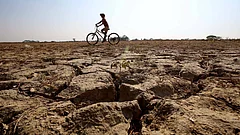


Officials said they are monitoring conditions and exploring alternative winter tourism activities to support the local economy. However, for many in the region, the pause of the Chadar Trek underscores the urgent need for sustainable tourism practices and stronger climate adaptation measures to protect Ladakh’s unique natural heritage.
2025 Hottest Year Ever
The World Meteorological Organization (WMO) has confirmed that 2025 ranks among the three warmest years ever recorded, extending a prolonged period of exceptionally high global temperatures. Notably, the past 11 years have all been the warmest on record, while ocean heat levels continue to rise steadily.
According to WMO’s consolidated analysis of eight global temperature datasets, the average surface temperature in 2025 was 1.44°C (±0.13°C) higher than the 1850–1900 pre-industrial baseline. Two datasets placed 2025 as the second warmest year in the 176-year record, while the remaining six ranked it third.
The years 2023 to 2025 now stand as the three warmest years across all datasets. The combined three-year average temperature for this period was 1.48°C (±0.13°C) above pre-industrial levels. Similarly, the period from 2015 to 2025 marks the warmest 11-year stretch ever documented.
WMO Secretary-General Celeste Saulo noted that despite both the beginning and end of 2025 being influenced by cooling La Niña conditions, the year still ranked among the hottest due to the continued buildup of heat-trapping greenhouse gases. She emphasized that elevated land and ocean temperatures have intensified extreme weather events such as heatwaves, heavy rainfall, and powerful tropical cyclones, highlighting the critical importance of early warning systems.
Saulo also stressed the growing importance of WMO’s climate monitoring efforts, underscoring the need for authoritative, accessible, and actionable Earth system information to support global decision-making.
The announcement coincided with the release of global temperature assessments from leading climate data providers, including the European Centre for Medium-Range Weather Forecasts’ Copernicus Climate Change Service (ERA5), the Japan Meteorological Agency (JRA-3Q), NASA (GISTEMP v4), the US National Oceanic and Atmospheric Administration (NOAAGlobalTemp v6), the UK Met Office and the University of East Anglia’s Climatic Research Unit (HadCRUT.5.1.0.0), and Berkeley Earth. For the first time, WMO also incorporated two additional datasets: the Dynamically Consistent Ensemble of Temperature (DCENT) and China’s Merged Surface Temperature dataset (CMST).