A government's announcement to withdraw criminal cases against protesters does not automatically end investigations, as police remain legally bound under the BNSS to continue inquiries until due process is completed.
Criminal cases cannot be withdrawn through executive orders alone. Public prosecutors must seek permission from the court under Section 360 of the BNSS, and judges decide whether withdrawal serves the interests of justice.
The CJP protest controversy highlights the separation of powers within India's criminal justice system, where governments set policy but police, prosecutors and courts each have independent statutory responsibilities.
The Delhi government's reported assurance that cases registered against protesters from the Cockroach Janta Party (CJP) would be withdrawn has raised an important legal question, if a government promises to drop criminal cases, why are police still issuing summons and continuing their investigations?
While state governments have the power to seek withdrawal of certain prosecutions, they cannot unilaterally cancel an FIR or halt an ongoing investigation simply through a political announcement.
The police, public prosecutors and courts each have distinct roles under criminal law, and the process for withdrawing a criminal case involves statutory safeguards and judicial oversight. Whether a case can ultimately be withdrawn depends on several factors, including the stage of the investigation, the nature of the offences involved and the court's approval.
What assurance was given to the protesters?
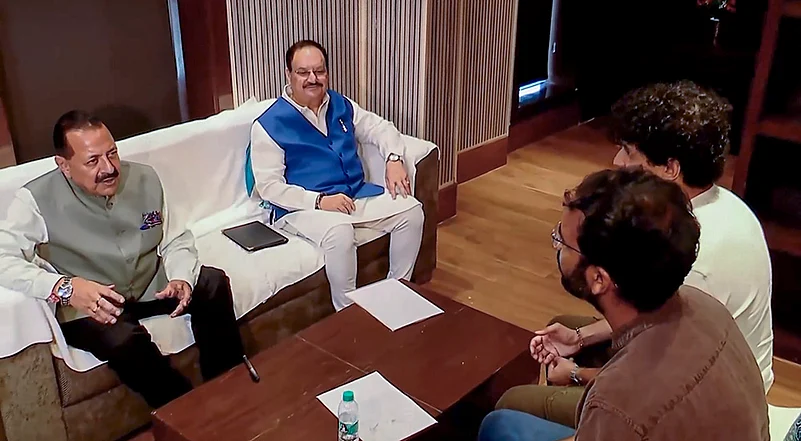
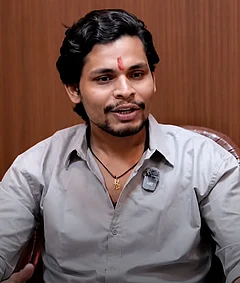
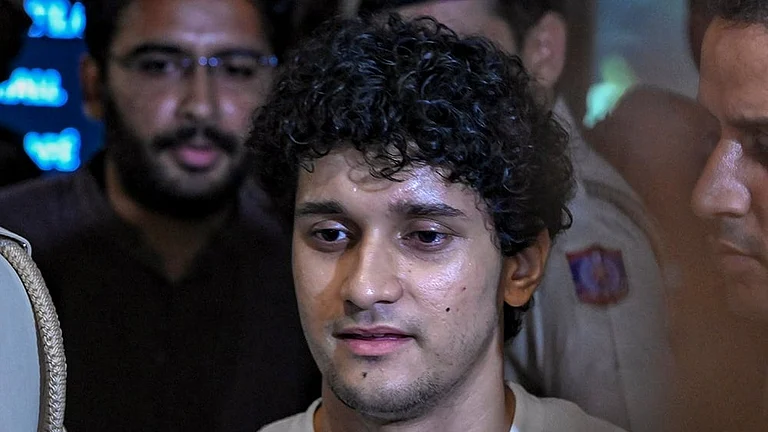
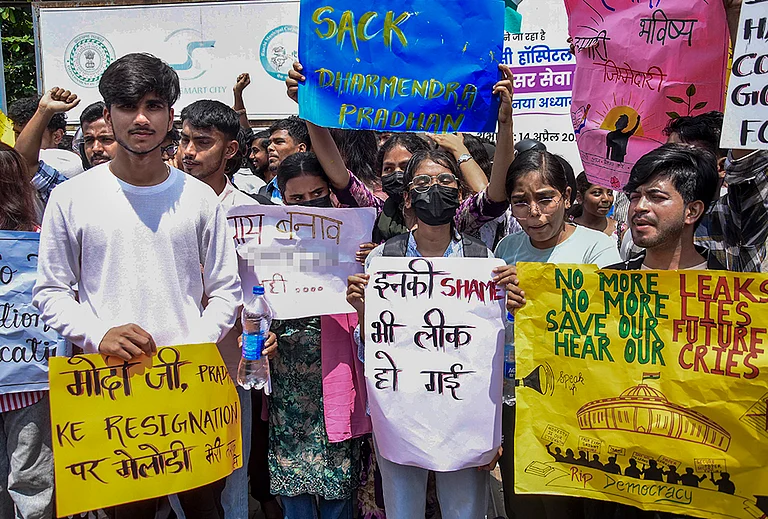
Following the CJP protests in Delhi, the government assured demonstrators that criminal cases against peaceful protestors would be withdrawn. The assurance came after political negotiations between representatives of the CJP, Saurav Das and Ashutosh Ranka, and the government represented by JP Nadda and Jitendra Singh, with the stated objective of addressing concerns over the prosecution of demonstrators who had participated in peaceful protests.

Such assurances are not unprecedented. Governments across India have, on several occasions, announced plans to withdraw criminal cases registered against protesters, political workers or participants in public movements after a change in political circumstances or following negotiations.
Why are summons still being issued?
Many protesters have questioned why they continue to receive police notices and summons despite the government's assurance.
The answer lies in the distinction between the executive government's political decision and the legal responsibilities of investigating agencies.
Once an FIR has been registered, the investigating officer is generally required under the Bharatiya Nagarik Suraksha Sanhita (BNSS), 2023—which replaced the Code of Criminal Procedure (CrPC)—to continue the investigation unless there is a lawful basis to close it. Investigators must collect evidence, record witness statements, issue notices where necessary and determine whether sufficient material exists to file a chargesheet or a closure report before the court.
Until the competent authority formally directs prosecutors to seek withdrawal and the court passes appropriate orders, the police remain bound by their statutory duties. Simply because a government has announced its intention to withdraw cases does not suspend ongoing investigative responsibilities.
As a result, notices issued during the investigation do not necessarily contradict the government's political assurance; they often reflect the legal requirement that investigations continue until the prescribed legal process is completed.
Can a government simply withdraw an FIR?
No, an FIR is not owned by the government in the political sense. Once registered, it becomes part of the criminal justice process governed by statutory law.
Governments cannot ordinarily erase or cancel an FIR through an executive announcement. Instead, criminal proceedings may conclude in one of several legally recognised ways.
If investigators find insufficient evidence, they may file a closure report before the magistrate. Alternatively, if sufficient evidence exists, they may submit a chargesheet recommending prosecution.
Where a government wishes to withdraw an ongoing prosecution for broader public interest reasons, the process is governed by Section 360 of the Bharatiya Nagarik Suraksha Sanhita, 2023 (the successor to Section 321 of the Code of Criminal Procedure). Under this provision, the Public Prosecutor or Assistant Public Prosecutor may seek the court's consent to withdraw from prosecution before judgment is delivered.
Crucially, the decision is not unilateral. The prosecutor must independently apply their mind, and the court must decide whether permitting withdrawal would serve the interests of justice.
What role do the police and courts play?
India's criminal justice system deliberately separates the roles of investigators, prosecutors and judges.
The police are responsible for investigating offences, collecting evidence and submitting their findings before the court.
The Public Prosecutor represents the State during criminal proceedings. Even when the government expresses a desire to withdraw cases, the prosecutor is expected to exercise independent professional judgment rather than acting merely on political instructions. The Supreme Court has repeatedly held that the prosecutor's duty is to the administration of justice and not solely to the executive government.
The courts provide the final safeguard. They examine whether any proposed withdrawal is bona fide, legally justified and consistent with the interests of justice. Courts may refuse permission if they believe withdrawal is politically motivated, arbitrary or contrary to the public interest.
This layered process ensures that criminal prosecutions cannot ordinarily be terminated through executive action alone.
What happens after a chargesheet is filed?
The legal position becomes more complex once investigators have filed a chargesheet.
A chargesheet signifies that the police believe sufficient evidence exists to prosecute the accused. However, filing a chargesheet does not automatically guarantee conviction; the court must still determine guilt after trial.
Even after a chargesheet has been submitted, the prosecution may seek withdrawal under Section 360 of the BNSS before judgment is pronounced. However, the court's scrutiny generally becomes more significant because judicial proceedings are already underway.
The Supreme Court has consistently held that courts should examine whether withdrawal would promote the interests of justice rather than merely advance political considerations. Judges may consider factors such as the seriousness of the alleged offences, the available evidence, the broader public interest and whether the withdrawal would undermine confidence in the administration of justice.
Consequently, a government announcement does not automatically result in pending chargesheets being set aside.
What does this mean for future protest-related cases?
The developments surrounding the CJP protests illustrate an important constitutional principle: political promises and legal processes operate on different timelines.
Governments remain free to decide that continuing certain prosecutions no longer serves the public interest. However, they must pursue that objective through the statutory procedures established by criminal law rather than executive declarations alone.
For protesters, this means that police investigations may continue, summons may still be issued and court proceedings may remain active even after governments publicly announce their intention to withdraw cases.
More broadly, the controversy highlights the institutional checks built into India's criminal justice system. The separation of responsibilities among the executive, police, prosecutors and judiciary is intended to prevent criminal investigations from being initiated—or terminated—solely on political considerations.
As protest movements continue to play a significant role in India's democratic landscape, similar disputes are likely to arise whenever governments promise relief to demonstrators. The CJP case underscores that while elected governments may shape prosecution policy, the ultimate fate of criminal cases rests not with political announcements but with the legal process established under the Bharatiya Nagarik Suraksha Sanhita and judicial oversight.