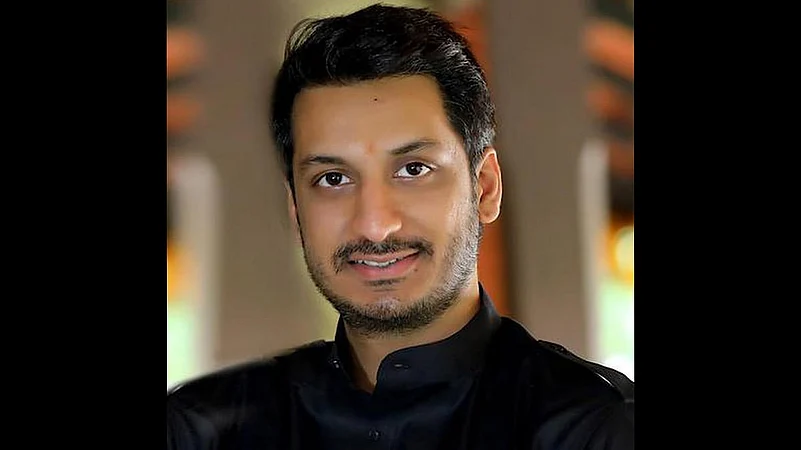
Parth Ajit Pawar, 36, became a Rajya Sabha MP from Maharashtra in April 2026.
Parth had been conspicuously absent from the NCP's inner circle during his father's tenure.
The six weeks between Ajit's death and Parth's Rajya Sabha nomination compressed what might have been a decade of political apprenticeship into a party survival calculation.
In May 2019, Parth Pawar contested from Maval, in Pune district, on an NCP ticket — and was defeated by Shrirang Barne of the BJP by a margin of approximately 34,000 votes. It was a bruising debut. His father Ajit Pawar, who had dominated Maharashtra's cooperative sugar politics, was not pleased. Political observers in Pune noted that Parth had been kept away from the inner workings of the NCP's organisational apparatus even after the Maval defeat.
That distance had closed entirely by April 9, 2026, when Parth took his oath as a Rajya Sabha MP from Maharashtra, a position he assumed just 71 days after his father's death. The transformation was total, sudden, and driven entirely by circumstances he did not choose.
Why Was Parth Pawar Once Kept Away From The NCP's Inner Circle?
The reasons are layered. The first is political: Ajit Pawar's position within the NCP and later within the Mahayuti coalition rested on his own personal authority, built over three decades of electoral victories, ministerial experience, and control over western Maharashtra's cooperative institutions. Introducing a young, electorally untested son into that environment prematurely would have raised questions about the basis of authority in a party where Ajit's own position was not inherited but built.
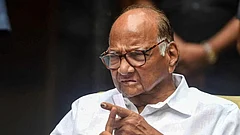
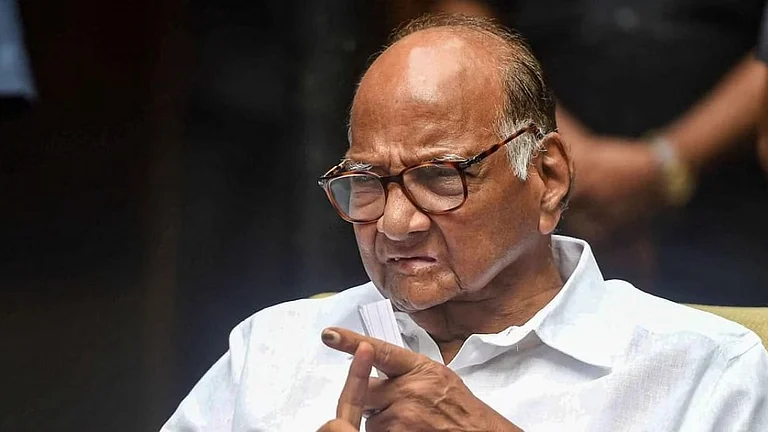
The second is familial: the broader Pawar family's political rivalry complicates the picture. Sharad Pawar the patriarch of the NCP before the 2023 split had long favoured his daughter Supriya Sule as his political successor. When Ajit broke from Sharad Pawar in July 2023 to join the BJP-led Maharashtra government, the family's political rift became public and permanent. In that context, promoting Parth too visibly risked escalating the intra-family rivalry at a moment when Ajit needed to consolidate his own faction's stability.
How Did He Go From Losing An Election To Becoming A Rajya Sabha MP?
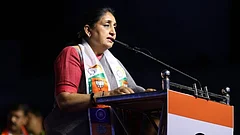
Ajit Pawar died on January 28, 2026, in a plane crash near Baramati. He was 64. The crash immediately created a leadership vacuum in the NCP that could not be filled by any of the party's senior officials without immediately triggering a contest for control. The party needed a Pawar — and the only viable Pawars in Ajit's immediate family were his wife Sunetra and his son Parth.
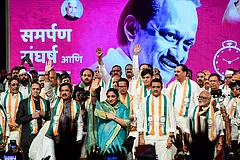
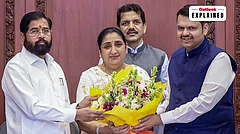
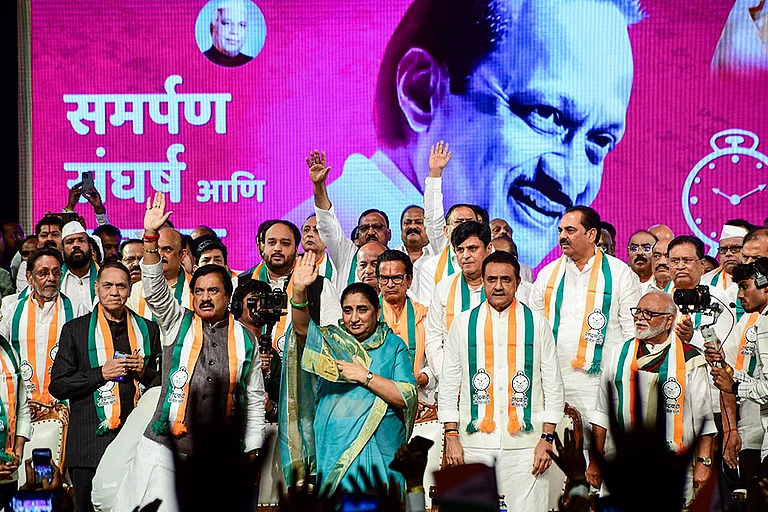
Sunetra Pawar was sworn in as Deputy Chief Minister of Maharashtra on January 31, three days after Ajit's death, succeeding him in that role. She was then elected NCP National President at the party's national convention on February 26. At the same convention, the party announced Parth as its candidate for the Rajya Sabha elections for Maharashtra, where seven seats were vacated in April 2026. He was elected on March 16, 2026, took his oath at Parliament House in New Delhi on April 9, and was administered the oath by Rajya Sabha Chairman C.P. Radhakrishnan.
The Six Months That Changed Parth Pawar's Political Standing
Between January 28 and July 26, 2026, Parth moved from political periphery to parliamentary presence. He has been visible in the Rajya Sabha during the Monsoon Session. His mother is the NCP's national president and Maharashtra's Deputy Chief Minister. The Baramati Assembly seat, Ajit Pawar's stronghold, was contested in a by-election won by Sunetra Pawar, who now holds it as an MLA alongside her other responsibilities.
Sunetra holds the national presidency. Parth holds the Rajya Sabha seat. Sunetra holds the Baramati MLA seat. Praful Patel, the party's senior statesman, continues as national working president — providing institutional continuity but not a rival power base.
Why Has His Role In The NCP Grown So Rapidly?
The NCP's institutional survival after Ajit's death depended on maintaining the Pawar family's gravitational pull on the party's MLAs, district leaders, cooperative institution heads, and electoral support base in western Maharashtra. Without a Pawar at the centre, the party would have fragmented quickly with individual leaders calculating their futures in terms of realignment with the BJP, return to Sharad Pawar's NCP (SP), or independent positioning.
Parth's rapid elevation is therefore less about his individual political merits and more about his structural necessity. He is the male Pawar available with the right family standing to signal continuity to party workers who had organised their political lives around Ajit Pawar's leadership.
Is The NCP Already Entering Its Next-Generation Phase?
Yes, by necessity rather than design. Ajit Pawar's death accelerated a succession that would otherwise have unfolded over several more years of gradual transition. The result is a party in which the second generation has been placed in formal leadership positions before the standard apprenticeship has been completed.
The risk is visible. Sunetra Pawar's election as party president faces a legal challenge from a national secretary who questions whether the constitutional process was followed properly. The party's MLAs — many of whom built their careers under Ajit Pawar specifically, not the Pawar family generically — may calculate their futures differently now that the man they followed is gone. And Supriya Sule, Sharad Pawar's daughter and Parth's aunt, continues to lead the NCP (SP) from the opposition benches — a constant reminder that the Pawar family's political division is not resolved.