The Ministry of Electronics and Information Technology issued notices to Telegram and Signal on July 2, demanding explanations within three days regarding their username features.
The government raised concerns that username features, which allow connections without sharing phone numbers, could escalate online fraud, phishing, and impersonation.
This regulatory action follows a directive to Meta-owned WhatsApp to pause its proposed username feature rollout until government consultations are completed.
The Ministry of Electronics and Information Technology sent notices to Telegram and Signal on July 2, 2026. The government questioned their username features and fraud mitigation strategies, PTI reported. Both platforms received a three-day window to submit explanations detailing how they address risks like online fraud, phishing and impersonation.
As of July 3, 2026, neither Telegram nor Signal has officially responded, according to The Hindu. Spokespersons for the messaging applications offered no immediate comment, The Hindu reported.
"Government has asked Telegram why the feature should be there," an IT Ministry source said to PTI.
The feature allows users to create unique usernames that can be used for connecting on the platform without sharing phone numbers, PTI reported.
The WhatsApp Precedent
The Centre issued a notice to Meta on Wednesday directing WhatsApp to pause its announced username feature, PTI reported. The government stated the feature must remain paused until consultations are completed "to the satisfaction of the Government".

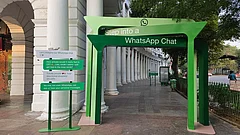

Officials warned the update could "materially increase" online fraud, phishing, digital arrest scams and impersonation attacks by enabling bad actors to solicit and message victims, PTI reported.
Meta was asked to explain why action should not be initiated under the IT Act and rules over WhatsApp's new feature that may increase cybercrimes, PTI reported. The Centre also reminded Meta that WhatsApp, as a significant social media intermediary, was bound by due diligence obligations under the IT Act and rules.
The regulatory cases differ in scale and implementation.Telegram and Signal already have active username features, while WhatsApp has only announced its rollout. India is WhatsApp's largest market with over 500mn users, which far exceeds Telegram's reach, PTI reported.
WhatsApp defended its feature in a statement, citing built-in safeguards to prevent scams and protect users, PTI reported. The company posted detailed frequently asked questions on social media to outline its security measures, PTI reported. The posts detailed plans to address concerns around impersonation and unwanted contact as users begin reserving usernames.
Wider Regulatory Pressure
Domestic platforms are also reacting to the government directives. Zoho-backed homegrown messaging platform Arattai will disable its username-based account feature to comply with regulatory changes, PTI reported. Sridhar Vembu, prominent Indian founder, announced the decision on X, PTI reported.
Telegram remains under intense regulatory scrutiny. The platform was subjected to a week-long ban in India that ended on June 22, 2026, PTI reported. The government stated the restriction was due to a failure to curb the circulation of leaked National Eligibility-cum-Entrance Test exam papers, misleading content and other fraudulent activities linked to the country's medical entrance examination process. Telegram returned to service in India after the ban expired.