The new US waiver permits purchases of Russian oil loaded by 17 April until 16 May.
India is expected to benefit after previously increasing imports under the earlier exemption.
The decision has sparked backlash from US lawmakers opposing any easing of sanctions on Moscow.
Washington has announced a new 30-day general licence permitting countries worldwide, including India, to continue purchasing Russian energy without facing US sanctions. This comes two days after United States decided to not extend the temporary waiver that allowed the sale of Russian and Iranian oil already at sea
The decision comes only two days after Treasury Secretary Scott Bessent said the United States would not renew two earlier 30-day licences introduced in March, which had temporarily allowed the purchase of previously sanctioned Russian and Iranian energy supplies. According to an order issued late on Friday by the US Treasury, the previous licence covering Russian energy purchases will now be replaced. However, transactions involving Iranian energy will no longer be authorised.
Under the new waiver, countries may buy Russian crude oil and petroleum products loaded onto vessels on or before April 17. These purchases will remain permitted until shortly after midnight Eastern Standard Time on May 16.
The Treasury’s move follows reports that several Asian countries, including India, had urged Washington to prolong the waivers first introduced in March. Officials cited expectations that the exemptions would continue, given concerns over rising global energy prices after the US-Iran conflict began in late February.
India was among the main beneficiaries of the earlier waiver. Reports quoting government sources said India ordered around 30 million barrels of Russian oil after the measure took effect. Indian refiners such as Reliance had previously reduced purchases from Russian suppliers including Rosneft and Lukoil because of US sanctions on those firms.

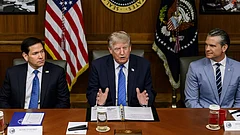


Despite this latest extension, Bessent had indicated on Wednesday that no renewal was planned. Speaking at a White House press conference, he said the licences for both Russian and Iranian oil would not continue, adding that the previously authorised shipments had already been used.
Responding on Thursday to Bessent’s earlier remarks, Randhir Jaiswal, spokesperson for India’s Ministry of External Affairs, said the country’s energy sourcing policy remained unchanged. He stated that India’s approach continued to focus on meeting the needs of its 1.4 billion people while taking account of market conditions and the wider global situation. New Delhi has not yet commented on Washington’s latest shift in position.
The reversal has also drawn political criticism in the United States, where opponents have challenged any easing of sanctions on Russian and Iranian energy exports.
Senator Richard Blumenthal said on April 10 that the Russian sanctions waiver should not be extended, arguing it had provided Moscow with substantial revenues to support its war in Ukraine while also assisting Iran.
Meanwhile, Congressmen Gregory Meeks and William Keating introduced legislation in the House of Representatives aimed at ending the Russian sanctions waiver and restricting Moscow’s energy income. In a joint statement, they argued that rising fuel prices in the United States had prompted the administration to grant licences that benefited President Putin, while Russia continued to support Iran and fund its war against Ukraine. Their proposed bill would cancel existing licences, prevent future waivers, and further limit Russia’s oil revenues.