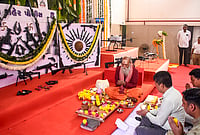
Chaitra Navratri is a sacred nine-day festival dedicated to Goddess Durga and marks the beginning of the Hindu New Year as well as the arrival of spring. Celebrated across India with devotion and faith, this festival takes on different colors and customs depending on the region. While the core belief of worshipping the Divine Mother remains the same, each state expresses its devotion through unique traditions, rituals, and cultural practices. Let’s explore how Chaitra Navratri is observed in different parts of the country.
Gujarat
In Gujarat, Chaitra Navratri is observed with strong spiritual focus and discipline. Unlike the more vibrant and dance-filled Sharad Navratri, this spring Navratri is quieter and more devotional in nature. Many devotees observe fasts, visit temples, and offer prayers to the nine forms of Goddess Durga. Though large public Garba events are not very common during Chaitra Navratri, smaller gatherings and community prayers still take place. The emphasis here is more on inner devotion and religious rituals rather than grand celebrations.
West Bengal
West Bengal is widely known for its grand Durga Puja during Sharad Navratri, but Chaitra Navratri also holds spiritual importance. During this time, worship of Goddess Durga often blends with other spring rituals such as Basanti Puja and Annapurna Puja. Temples are decorated, and devotees offer prayers in a calm and reverent atmosphere. While the celebrations may not be as elaborate as autumn Durga Puja, the devotion remains sincere and deeply rooted in tradition.
Andhra Pradesh
In Andhra Pradesh, Chaitra Navratri is marked by regular temple visits, fasting, and daily prayers to Goddess Durga. Devotees observe the nine days with discipline and faith. In some regions, the cultural influence of Bathukamma—a floral festival dedicated to Goddess Gauri—is also seen. Though Bathukamma is more prominent in Telangana, its spirit of celebrating womanhood, nature, and devotion is present in parts of Andhra Pradesh as well. Together, these practices create a balance of religious worship and cultural expression.



Karnataka
In Karnataka, Navratri is closely associated with the tradition of Gombe Habba, also known as the doll festival. Families set up decorative displays of dolls on steps, depicting scenes from mythology, daily life, and local culture. Friends and relatives visit each other’s homes to view these displays, exchange sweets, and share festive joy. Alongside this, prayers and cultural activities are conducted, making the festival a blend of devotion, art, and community bonding.
Mumbai (Maharashtra)
In Mumbai, Chaitra Navratri begins with Ghatasthapana, an important ritual symbolizing the invocation of Goddess Durga. A sacred pot (Kalash) filled with water is placed over a clay pot with sown barley seeds, representing growth, prosperity, and divine energy. Devotees carefully follow auspicious timings to perform this ritual. Throughout the nine days, people engage in fasting, chanting, and prayers, creating a spiritual atmosphere in homes and temples across the city.
Uttarakhand
In Uttarakhand, Chaitra Navratri is celebrated with deep reverence, especially at prominent Shakti temples such as Dhari Devi. Large numbers of devotees visit these temples to seek blessings. Recitations of sacred texts like the Durga Saptashati are common, along with devotional singing and religious gatherings. The state also highlights the theme of women’s strength through events linked to Nari Shakti. Local fairs, small processions, and community programs add to the festive spirit.
A Festival of Unity in Diversity
Chaitra Navratri beautifully reflects India’s cultural diversity. From quiet temple rituals to artistic displays and regional customs, every state adds its own character to the festival. Whether celebrated through fasting and prayer, floral traditions, or cultural gatherings, the essence remains the same, devotion to Goddess Durga and hope for a prosperous new beginning. This diversity is what makes Chaitra Navratri not just a religious event, but a shared cultural experience across the country.
Frequently Asked Questions (FAQs)
1. How is Chaitra Navratri celebrated in different states?
Each state has unique traditions- Gujarat focuses on fasting, Karnataka celebrates Gombe Habba, and West Bengal observes Basanti Puja.
2. Is Garba performed during Chaitra Navratri?
Garba is mainly associated with Sharad Navratri, but small gatherings may still occur in Gujarat during Chaitra Navratri.
3. What is special about Navratri in Karnataka?
Karnataka celebrates Gombe Habba, where families display dolls and host social gatherings along with prayers.
4. What is Ghatasthapana in Navratri?
It is a ritual marking the beginning of Navratri, where a sacred Kalash is स्थापित to invoke Goddess Durga.
5. How is Navratri different in West Bengal?
Chaitra Navratri is quieter and includes Basanti Puja, unlike the grand Durga Puja held during Sharad Navratri.