



The legends of Chaitra Navratri are deeply woven into the fabric of Hindu spirituality, marking the joyous beginning of the Hindu New Year. Celebrated during the vibrant spring month of Chaitra (March-April), this nine-day festival is dedicated to the ultimate supreme energy. The mythological tales of Goddess Durga and her nine divine forms (Navadurga) represent the eternal victory of good over evil. Beyond just rituals, these sacred stories remind devotees of the immense power of faith, courage, and righteousness. Let’s explore the powerful mythological legends that explain the spiritual origin and importance of Chaitra Navratri.
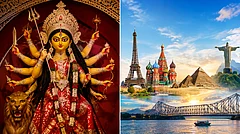
One of the most well-known legends linked to Chaitra Navratri is the story of Goddess Durga and the demon Mahishasura. Mahishasura was a mighty demon who received a boon that made him nearly invincible, as he could not be killed by any man or god. Drunk with power, he spread chaos on earth and defeated the gods, forcing them to seek divine help. To end his tyranny, the combined energies of Brahma, Vishnu, and Shiva gave birth to Goddess Durga, a powerful form of divine feminine energy. Durga fought Mahishasura fiercely for nine days and nights and finally destroyed him on the tenth day. These nine days of battle are symbolised by Navratri, while her victory represents the triumph of truth and goodness over evil.
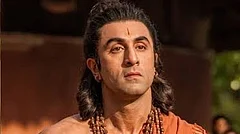
Chaitra Navratri is also closely connected to the epic Ramayana. According to belief, Lord Rama began his journey to Lanka during this period to rescue his wife, Sita, from Ravana. Before starting his mission, Rama worshipped Goddess Durga and observed fasts for nine days, seeking her blessings for strength and success. His devotion to the Goddess is believed to have given him the courage and divine support needed to defeat Ravana. This association adds special significance to Chaitra Navratri, especially as the festival ends with Ram Navami, the birthday of Lord Rama.
Another important legend associated with Chaitra Navratri is the story of Goddess Sati and the formation of Shakti Peethas. Goddess Sati sacrificed her life after her father insulted Lord Shiva. Grief-stricken, Shiva carried her body across the universe, and it is believed that parts of her body fell at different places, which later became Shakti Peethas. These sacred sites are dedicated to the Goddess in her various forms. Chaitra Navratri is considered an especially auspicious time to worship Shakti, and many devotees visit these holy places to seek blessings and spiritual strength.


The importance of Navratri is also described in the Markandeya Purana through the story of King Suratha. After losing his kingdom due to betrayal, King Suratha, along with a merchant named Samadhi, turned to Sage Medha for guidance. The sage narrated the greatness of Goddess Durga and explained how sincere devotion can change one’s destiny. Inspired by this story, both Suratha and Samadhi performed intense worship of the Goddess. Pleased with their devotion, Durga restored Suratha’s kingdom and blessed Samadhi with spiritual wisdom. This story highlights the power of faith, patience, and devotion during Navratri.
Beyond these mythological stories, Chaitra Navratri carries a deeper spiritual message. The festival represents the awakening of Shakti, the divine energy that exists within every individual. The battles fought by Goddess Durga symbolise the inner struggles between positive and negative forces in human life. Through fasting, prayer, and self-discipline, devotees aim to cleanse their minds and bodies and awaken their inner strength.
The festival begins with Ghatasthapana or Kalash Sthapana, a ritual that marks the invocation of Goddess Durga. The kalash, or sacred pot, represents the presence of divine energy in the home. It is believed that during Navratri, the Goddess descends to bless her devotees with protection, prosperity, and peace.
The legends of Chaitra Navratri are not just ancient stories but timeless teachings that guide people toward a meaningful life. They inspire courage, devotion, and moral strength, reminding us that faith and righteousness always prevail. As Chaitra Navratri is celebrated, devotees are encouraged to reflect on these stories and try to bring qualities such as compassion, bravery, and truth into their daily lives. Through devotion to the Goddess, the festival becomes a journey of inner growth, renewal, and spiritual awakening.
Frequently Asked Questions (FAQs)
1. What is the main story behind Chaitra Navratri?
The main stories behind Chaitra Navratri include Goddess Durga’s triumph over the invincible demon Mahishasura, Lord Brahma beginning the creation of the universe, and King Suratha performing the first-ever spring worship of the Goddess, known as Basanti Puja.
2. Why is Chaitra Navratri also called Basanti Puja?
Chaitra Navratri is called Basanti Puja because it falls during the spring season (Basant). According to the Markandeya Purana, King Suratha was the first person to worship Goddess Durga during the spring, starting the tradition of Basanti Puja to regain his lost kingdom.
3. How is Lord Rama connected to Chaitra Navratri?
Chaitra Navratri is intimately connected to the Ramayana because the ninth and final day of the festival is celebrated as Ram Navami, the auspicious birth anniversary of Lord Rama. Devotees believe that Lord Rama also worshipped Goddess Durga to seek her divine strength.
4. What is the spiritual significance of the mythological tales of Goddess Durga?
The mythological tales of Goddess Durga are symbolic of the internal struggles humans face. The demons she defeats represent human vices like ego, anger, and greed. Worshipping her during Navratri is a way to awaken one's inner Shakti (divine energy) to conquer negative thoughts and achieve spiritual purity.















